

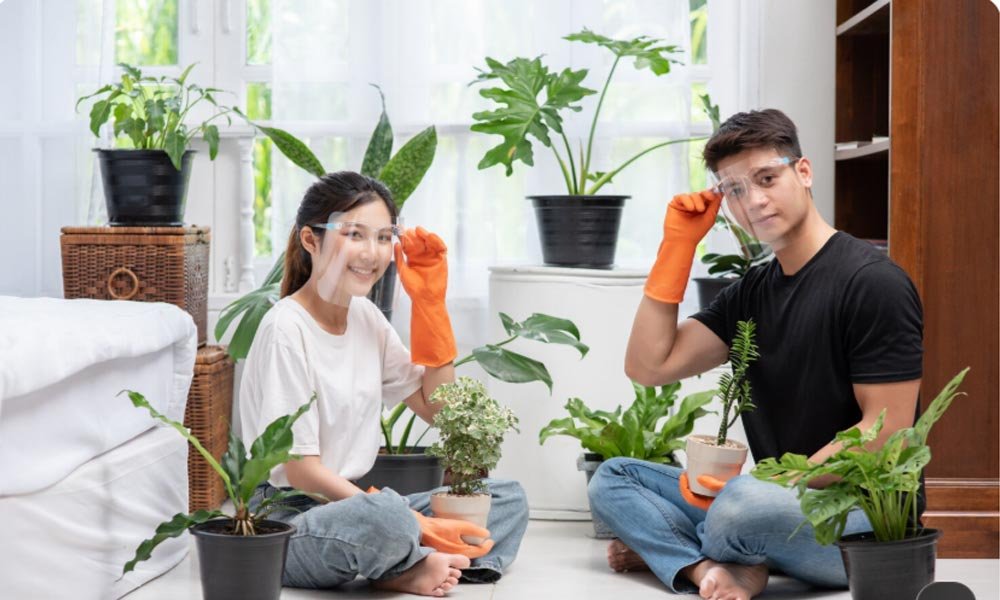
A beautiful home doesn’t stop at the front door. The lawn, garden, patio, and indoor living spaces all contribute to how a property looks and feels. A well-maintained yard creates an inviting first impression, while carefully chosen plants bring warmth and character indoors. The challenge is finding the right balance between appearance, practicality, and maintenance. With thoughtful landscaping and a few well-placed plants, you can create a comfortable environment that feels connected to nature without spending every weekend working on it.
A Beautiful Lawn Sets the Stage
A healthy lawn provides a natural foundation for the rest of your outdoor space. Regular mowing, appropriate fertilization, weed management, and seasonal maintenance all contribute to its appearance. Homeowners exploring professional lawn care and landscaping options can visit https://classygrass.pro/ to learn more about services ranging from routine grass cutting to larger landscape improvements.
However, maintaining attractive grass involves more than simply cutting it regularly. Mowing height should suit the grass species, while watering schedules need to account for rainfall, soil conditions, and seasonal temperatures.
Cutting grass too short can stress the plants and leave the soil more exposed to heat. Likewise, excessive watering may encourage shallow roots and create unnecessary moisture problems.
Understanding what your lawn needs allows you to make better maintenance decisions throughout the growing season.
Give Your Outdoor Space Some Personality
A lawn can look attractive on its own, but landscaping adds structure and makes the surrounding property more interesting.
Flower beds, ornamental shrubs, decorative stones, and garden pathways can create distinct areas without requiring major construction.
Start by considering how you actually use your yard. A family with children may want an open grassy area for activities, while someone who enjoys entertaining might prefer a patio surrounded by greenery.
Curved planting beds can soften the appearance of straight walkways and building edges. Low-growing plants near entrances can add color without blocking access.
For larger improvements, features such as retaining walls, paved seating areas, and defined garden borders can help organize the landscape.
The goal is to create an outdoor space that looks appealing while remaining practical for everyday use.
Choose Plants That Belong in Your Garden
It’s easy to fall in love with a beautiful flowering shrub or unusual tree at first sight. Unfortunately, not every attractive plant will thrive in every garden.
Before buying, consider sunlight, soil drainage, available space, and the plant’s mature size.
A shrub that looks compact in a nursery container may eventually grow large enough to obstruct a walkway or window.
Pay attention to the amount of direct sunlight different areas receive throughout the day. Some plants flourish in full sun, while others prefer partial shade.
Native plants can be useful additions because species adapted to local conditions may require fewer resources once established. They can also provide food and shelter for beneficial insects and other wildlife.
Choosing plants that suit their surroundings usually produces better long-term results than constantly trying to correct unsuitable growing conditions.
Bring the Garden Feeling Into Your Living Room
Outdoor greenery is only one part of creating a more natural home. Indoor plants can soften furniture arrangements, introduce interesting textures, and make ordinary corners feel more inviting.
A well-stocked plant nursery is a useful place to explore different varieties and ask questions about their care. Whether you’re choosing flowering plants for the garden or greenery for a living room, understanding each plant’s light and watering requirements is essential.
For rooms with bright, indirect sunlight, certain philodendrons, pothos varieties, and other foliage plants may be suitable choices.
Spaces with less natural light require more careful selection. While some houseplants tolerate lower light levels, very few thrive in consistently dark conditions.
Consider the size of the room as well. A large floor plant can become an attractive focal point, while smaller plants work well on shelves, side tables, and windowsills.
If you have pets, check whether your preferred plants are toxic before bringing them home.
Let Your Windows Connect Both Worlds
Windows create a visual connection between indoor living spaces and the surrounding landscape. With thoughtful planting, you can make that connection even more attractive.
Look at the view from your favorite chair or dining table. Does it overlook a plain fence, an empty corner, or an attractive part of the garden?
Adding flowering shrubs or ornamental grasses outside a frequently used window can give you something pleasant to look at throughout the day.
Inside, carefully positioned houseplants can complement the outdoor view without making the window feel crowded.
Avoid placing large containers where they obstruct natural light or interfere with opening windows.
The combination of outdoor landscaping and indoor greenery can create a sense of continuity, making both spaces feel more intentional.
Make Your Patio Feel Like Another Room
A patio or deck can serve as a natural extension of your indoor living area, especially during pleasant weather.
Comfortable seating, suitable lighting, and a few well-chosen plants can turn an otherwise plain surface into a place where people genuinely want to spend time.
Container gardens are particularly useful because they allow you to introduce greenery without digging new planting beds.
Large planters can define seating areas, while smaller containers can bring color to tables and steps.
Choose plants that can tolerate the amount of sunlight and wind the patio receives. Containers also need adequate drainage to prevent water from collecting around roots.
If you enjoy cooking outdoors, consider growing herbs in suitable containers near the kitchen entrance. Having fresh ingredients within reach can make the space both attractive and useful.
Think Beyond Flowers for Year-Round Interest
Colorful flowers are wonderful, but gardens that rely entirely on seasonal blooms can look bare during parts of the year.
Combining different types of plants helps create visual interest across changing seasons.
Evergreen shrubs can provide structure when deciduous plants lose their leaves. Ornamental grasses introduce movement and texture, while flowering perennials offer seasonal color.
Trees can contribute shade and create a sense of depth, although their eventual size and distance from buildings should be carefully considered.
You can also use decorative mulch, natural stone, and thoughtfully designed garden edges to maintain visual structure when fewer plants are flowering.
A landscape doesn’t need to look identical throughout the year. Seasonal changes can be part of its appeal.
Keep Maintenance Realistic From the Beginning
One of the most common landscaping mistakes is choosing plants and features without considering the time required to maintain them.
A large flower bed filled with demanding varieties may look impressive initially, but it can become frustrating if you don’t enjoy frequent gardening.
Before planting, think about how much time you’re willing to spend watering, pruning, mowing, and removing weeds.
Grouping plants with similar watering requirements can simplify maintenance and help prevent overwatering.
Mulch may help reduce weed growth and slow moisture loss from garden soil, provided it is applied appropriately.
For indoor plants, choose containers with suitable drainage and establish watering habits based on the needs of each species.
A manageable garden is often more enjoyable than an elaborate design that constantly demands attention.
Give Your Plants Room to Grow
When arranging a garden, it’s tempting to place plants close together so the space looks full immediately.
However, overcrowding can create problems as plants mature. Branches may compete for light, airflow can become restricted, and maintenance may become more difficult.
Read planting labels and consider the recommended spacing before installing shrubs, perennials, or young trees.
The same principle applies indoors. Houseplants need enough room for their foliage to develop without constantly pressing against walls or neighboring objects.
As plants grow, you may need to adjust their placement or move them into appropriately sized containers.
Planning for growth helps maintain a balanced appearance while reducing the need for unnecessary changes later.
Create a Home That Grows With You
Combining landscaping with indoor plants is a simple way to bring more natural beauty into everyday life. A healthy lawn, thoughtfully arranged garden beds, comfortable outdoor seating, and attractive houseplants can each contribute something different.
You don’t have to transform everything at once. Start with one improvement, whether that’s restoring a neglected section of grass, planting a few shrubs, or adding a favorite houseplant near a sunny window.
As your preferences and routines change, your outdoor and indoor spaces can evolve with them.
The most satisfying results come from choosing plants and landscape features that suit your home, your lifestyle, and the amount of care you’re willing to provide. With a little planning, you can enjoy a greener, more welcoming property throughout the year.