

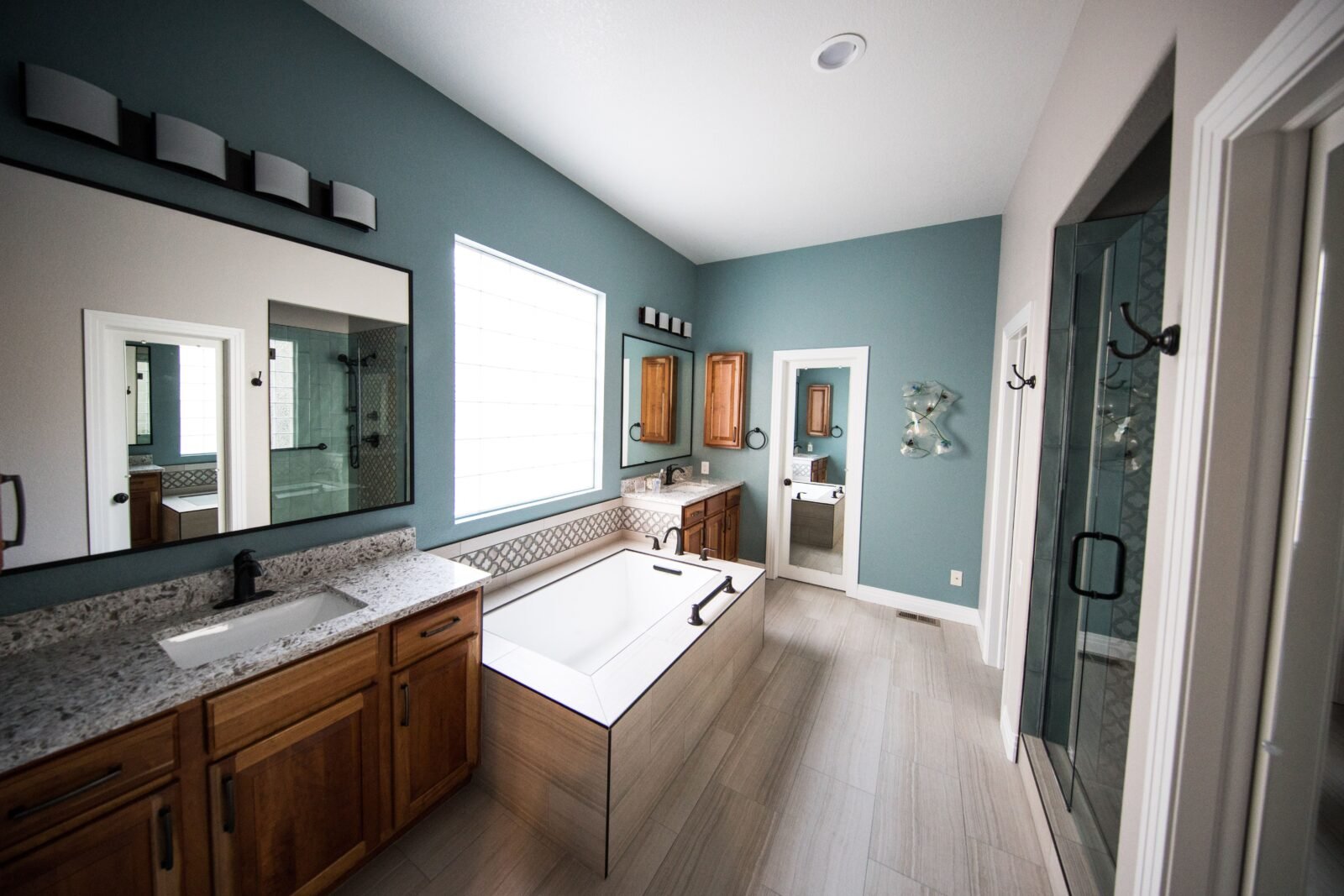
Your bathroom probably influences your morning more than almost any other room in your home. It affects how quickly you get ready, how easily you maintain the space, and whether everyday routines feel comfortable or unnecessarily complicated. In Baton Rouge, where humidity, frequent use, and older housing can place additional demands on interiors, bathroom improvements need to offer more than visual appeal. The most valuable upgrades are often the practical ones: better storage, improved ventilation, safer flooring, and fixtures that make everyday tasks easier.
A Better Layout Can Eliminate Everyday Frustrations
A bathroom can look attractive and still be inconvenient to use. Perhaps two people struggle to share one sink, the shower door blocks access to storage, or there is never enough counter space for daily essentials. These problems might seem minor individually, but they become frustrating when repeated every morning.
A thoughtful layout improves movement and gives frequently used items a logical place. Repositioning a vanity, choosing a more practical shower configuration, or creating additional storage can make even a relatively small bathroom feel more functional.
When evaluating a bathroom remodeling company in Baton Rouge, consider whether the proposed design addresses the problems you experience every day. Attractive tile and modern fixtures matter, but improvements to spacing, accessibility, and storage often deliver greater long-term satisfaction.
Moisture Control Protects More Than the Walls
Bathrooms experience constant exposure to steam, splashing water, and temperature changes. Without adequate ventilation, moisture can collect on surfaces and gradually affect cabinets, paint, grout, and other materials.
The consequences are not always immediately visible. Persistent dampness can contribute to mildew, unpleasant odors, deteriorating finishes, and damage inside walls or ceilings. A bathroom that looks freshly renovated may still develop problems if moisture management was overlooked during construction.
A properly selected exhaust fan is one of the most useful upgrades. It should remove humid air effectively and discharge it outside rather than into an enclosed attic or ceiling space. Water-resistant materials, properly sealed joints, and suitable shower enclosures also help protect vulnerable surfaces.
The Environmental Protection Agency explains the importance of ventilation and moisture management in its guide to remodeling and indoor air quality. These considerations deserve attention before selecting decorative finishes.
Smarter Storage Makes Busy Mornings Easier
Clutter is one of the most common reasons a bathroom feels smaller and less organized than it actually is. Skincare products, toiletries, towels, cleaning supplies, and grooming tools can quickly take over available surfaces.
Storage improvements can change how the room functions without requiring a major increase in floor space. Deep vanity drawers make everyday items easier to reach than traditional cabinets with difficult-to-access corners. Recessed shower niches provide convenient places for shampoo and other products, while tall cabinets can use otherwise neglected vertical space.
Think about what you reach for every day before deciding where storage should go. Frequently used products should remain accessible, while spare toiletries and cleaning supplies can be stored separately. Electrical outlets should also be positioned conveniently for grooming tools, with appropriate protection around water.
The goal is not simply to create more cabinets. It is to make the things you use regularly easier to find, access, and put away.
Safety Features Can Look Stylish
Bathroom safety is sometimes treated as a concern that only matters later in life. In reality, slippery floors, awkward shower entrances, and poor lighting can create difficulties for people of different ages and mobility levels.
Modern design makes it possible to incorporate useful safety features without sacrificing appearance. Textured flooring can provide better traction, while curbless showers reduce the need to step over a raised edge. Handheld showerheads offer additional flexibility, and strategically positioned grab bars can provide support when entering or leaving the shower.
Lighting deserves equal consideration. A well-lit vanity, illuminated shower area, and accessible switches make the space easier to navigate. These improvements can benefit children, older adults, and anyone recovering from an injury.
Planning for accessibility during renovation is often easier than attempting to accommodate changing needs after the room has been completed.
Water-Efficient Fixtures Can Improve Everyday Comfort
Replacing outdated plumbing fixtures can make a bathroom more efficient and dependable. Modern toilets, faucets, and showerheads are designed to reduce unnecessary water consumption while maintaining useful performance.
A quality showerhead should provide a comfortable spray rather than simply restricting water flow. Similarly, a well-designed faucet can make handwashing and other daily tasks easier while reducing waste.
It is also important to consider hidden leaks. A dripping faucet or constantly running toilet may seem like a minor inconvenience, but wasted water can accumulate over time. Reliable valves, proper installation, and accessible plumbing connections help reduce the likelihood of recurring problems.
The EPA’s WaterSense program provides information about water-efficient products and performance standards. Looking for certified fixtures can help homeowners compare options without assuming that lower water consumption automatically means a poorer experience.
Lighting Can Change the Entire Atmosphere
Bathroom lighting affects more than appearance. It determines how comfortably you can shave, apply makeup, inspect your skin, clean surfaces, and move around the room.
A single overhead fixture often creates unwanted shadows, particularly around the mirror. Layered lighting offers a more practical solution. Task lighting near the vanity provides visibility for detailed activities, while ambient lighting illuminates the rest of the room. Softer lighting can also make evening routines feel more relaxing.
Color temperature matters as well. Extremely cool lighting may feel harsh, while overly warm lighting can distort how colors appear. Selecting suitable fixtures and placing them carefully creates a more balanced environment.
Even a modest bathroom can feel brighter and more inviting when lighting is designed around how the space is actually used.
Choose Materials That Make Cleaning Easier
A beautiful bathroom can quickly become frustrating if every surface requires constant attention. Some design choices create unnecessary maintenance, particularly in areas exposed to water, soap residue, and everyday dirt.
Large-format tiles reduce the number of grout lines that need cleaning. Well-designed shower glass can make water spotting easier to manage, while durable countertops resist the wear associated with daily use. Wall-mounted vanities can also make floor cleaning more convenient by keeping the area underneath accessible.
Consider how much maintenance you are realistically willing to handle. A material that looks impressive in a showroom may not be practical if it requires frequent polishing, specialized cleaning products, or delicate treatment.
Choosing durable finishes from the beginning can help preserve the room’s appearance and reduce the effort required to maintain it.
Prioritize Improvements That Solve Real Problems
The most successful bathroom renovations begin with everyday frustrations rather than decorative trends. Before selecting fixtures or finishes, identify what currently makes the room difficult to use.
Perhaps the shower takes too long to clean, the vanity offers insufficient storage, or poor ventilation leaves surfaces damp long after bathing. These problems provide a practical starting point for deciding where the renovation budget should go.
A well-planned upgrade does not need to involve expensive materials or dramatic design changes. Sometimes better lighting, improved ventilation, a more functional vanity, or a safer shower arrangement can make a noticeable difference.
Ultimately, a bathroom should support the routines that happen inside it. When improvements are based on comfort, convenience, durability, and safety, the results become valuable long after the renovation is finished.