


Premium Golf Course Experiences and Equipment Integration
Whether you are teeing off at a world-class resort or navigating the nuances of a local public golf course, the intersection of your equipment and the terrain you play determines the quality of your round. Too often, golfers view their gear in isolation, forgetting that the performance of a driver or the spin rate of a wedge is fundamentally tied to the environment—be it the elevation changes of a hilly layout, the dampness of coastal grass, or the firmness of the greens. By understanding how to synchronize your bag with the specific demands of the course, you can transform your game from reactive to strategic.
In this guide, we explore how high-end golf experiences and precision equipment integration work in tandem. From the benefits of professional-grade club fittings that account for your unique launch data to the practical advantages of modern accessories that reduce fatigue, we will examine the gear that truly moves the needle. We will also delve into how you can use personal technology to gain tour-level insights into your own ball flight and distance gapping. Whether you are looking to optimize your bag for a tournament or simply want to understand why your current wedge setup might be costing you strokes, we provide the data-driven strategies you need to elevate your play.
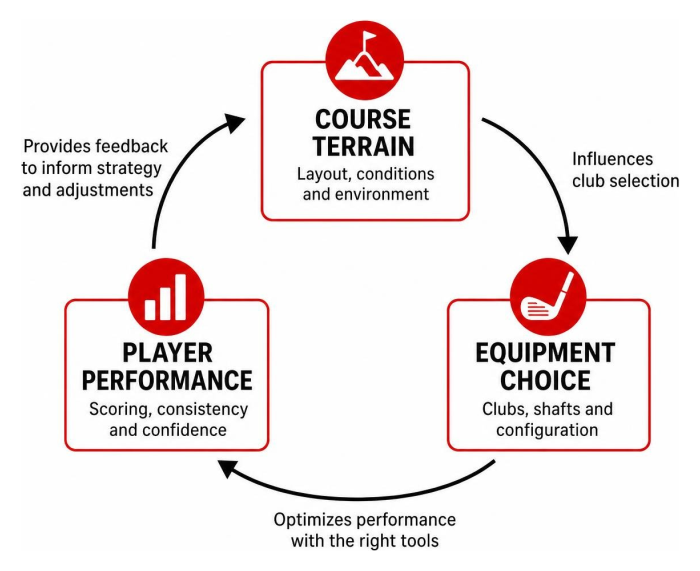
The modern golf experience is shifting away from generic outings toward curated, destination-based play. Whether you are visiting a top-tier resort in Costa Rica or a challenging championship layout, the equipment you choose to carry—or rent—plays a massive role in your enjoyment and success.
Evaluating Destination Venues and Equipment Rentals
When traveling to play at elite venues, many golfers face a dilemma: ship their own clubs or rely on high-end rentals. Modern luxury resorts have recognized this pain point, often stocking premium sets that include current-year drivers, precision-milled wedges, and tour-proven putters. When selecting a rental set, prioritize consistency. If you play a specific brand of iron at home, seek out similar head shapes and shaft profiles.
Playing at a high-end venue also requires a change in tee-time strategy. Early morning rounds often present cooler, heavier air, which can affect ball flight distance. Conversely, afternoon rounds on coastal courses may involve increased wind, requiring a lower-launching ball or a different club selection to maintain control.
How Course Architecture Influences Gear Selection
Course architecture dictates the “bag architecture” you should adopt. A course with significant elevation changes requires a different approach to distance gapping than a flat parkland layout. When playing downhill, the ball spends more time in the air, increasing the impact of wind; uphill shots require more carry distance than the yardage might suggest.
Condition Strategic Adjustment Equipment Focus High Elevation Account for increased carry Lower spin ball to prevent ballooning Wet/Soft Turf Focus on clean contact Wedges with higher bounce Firm/Fast Greens Prioritize stopping power Urethane cover balls, fresh grooves Windy Coastal Lower trajectory Driving irons or compact fairway woods Custom Fitting and Modern Bag Architecture
The era of buying clubs “off-the-rack” is fading for the serious amateur. A full-bag fitting is no longer just for professionals; it is a data-backed necessity for anyone looking to optimize their performance.
Navigating Golf Course Experiences and Equipment Options at the Top of the Bag
The “3-wood is dying” trend is a hot topic in equipment circles, but it is more accurate to say that the 3-wood is evolving. Many amateurs struggle to launch a traditional 3-wood from the fairway. The rise of the mini-driver and utility club has provided a more versatile middle ground.
For golfers with moderate swing speeds, a 5-wood often provides better launch and landing angles than a 3-wood. If you find yourself struggling to hold long par-4 greens, the higher apex of a 5-wood or a utility hybrid is often the missing link.
Club Type Ideal User Primary Benefit Mini Driver High swing speed, tee-heavy player Driver-like distance with more control Traditional 3-Wood Consistent ball striker Maximum distance from the tee and fairway 5-Wood/Utility Moderate swing speed Higher launch, steeper landing angle Scoring Club Maintenance and Distance Gapping
Your wedges are the most used clubs in your bag, yet they are often the most neglected. Titleist and other leading manufacturers suggest that serious players should inspect their wedge grooves every 75 rounds.
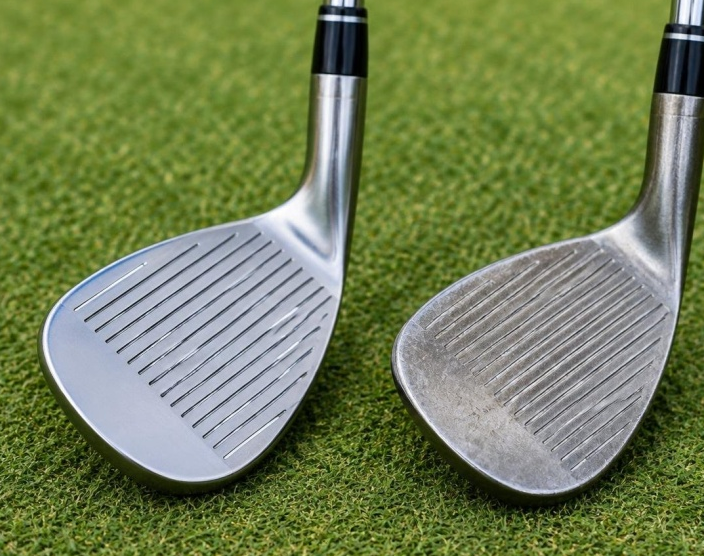
Signs that your wedges are worn out include a “dead” feel at impact and a noticeable lack of spin on short-game shots. If your ball is rolling out excessively on chips that you expect to check, it is time for a refresh. Furthermore, ensure your wedge gapping is consistent. A 4-degree gap between your wedges is standard, but you should verify these distances on a launch monitor to ensure there are no “gaps” in your scoring range.
Practice Technology and On-Course Modernization
Technology has democratized the ability to track performance. You no longer need a professional coach standing over your shoulder to identify why your ball flight is inconsistent.
Maximizing Golf Course Experiences and Equipment with Data Tracking
Launch monitors have become the gold standard for practice. By using devices that track ball speed, launch angle, and spin rate, you can “normalize” your data. Normalization tools adjust your numbers based on environmental factors like air density and temperature, giving you a true representation of your carry yardages.
Apps that track your on-course statistics are equally vital. By recording where you miss your shots, you can identify patterns—such as a tendency to miss right on long par-3s—that inform which clubs you should prioritize during your next fitting session.
Course Transit Innovations and Modern Accessories
Walking the course is one of the purest ways to play, but it can lead to fatigue that degrades your swing quality by the back nine. Innovations in golf cart upgrades and electric caddies have made walking more accessible than ever.
An electric walking trolley, for example, allows you to maintain your energy levels throughout the round, ensuring your final approach shots are as precise as your first. Additionally, modern rangefinders with slope-adjustment technology help you navigate elevation changes with confidence, removing the guesswork from your club selection. When paired with high-quality, moisture-wicking apparel and a two-pair shoe rotation system, these accessories allow you to focus entirely on the game rather than the physical toll of the course.
Frequently Asked Questions About Golf Equipment and Course Preparation
How often should amateur golfers replace their scoring wedges?
While the 75-round rule is a solid benchmark, it depends on your practice habits and the type of sand you play in. If you practice frequently in abrasive bunker sand, your grooves will degrade faster. Monitor your spin performance; if you notice a significant drop-off in control around the greens, it is time to replace them.
When does replacing a long iron with a hybrid or utility wood make sense?
If your swing speed with a 4-iron is below 85 miles per hour, you likely struggle to generate the necessary launch and spin to hold a green. A hybrid or utility wood provides a lower center of gravity, which helps the ball launch higher and land at a steeper angle, giving you a much better chance of stopping the ball on the putting surface.
What launch monitor metrics offer the greatest return on investment for practice?
Focus on “smash factor” and “carry distance.” Smash factor—the ratio of ball speed to clubhead speed—tells you how efficiently you are striking the ball. Improving this metric is the fastest way to gain distance without needing to swing harder. Carry distance, when normalized for conditions, gives you the confidence to trust your yardages when you are out on the course.
Conclusion
The synergy between your equipment and the course is the foundation of a great game. By treating your bag as a dynamic system—one that you update, maintain, and optimize based on real data—you can navigate any layout with confidence. Whether you are upgrading your golf cart upgrades for a more comfortable walk or refining your distance gapping for a tournament at your favorite public golf course, the goal remains the same: to make the game more enjoyable and more precise. Equip yourself with the right knowledge, use data to guide your decisions, and watch as your performance on the course reaches new heights.