

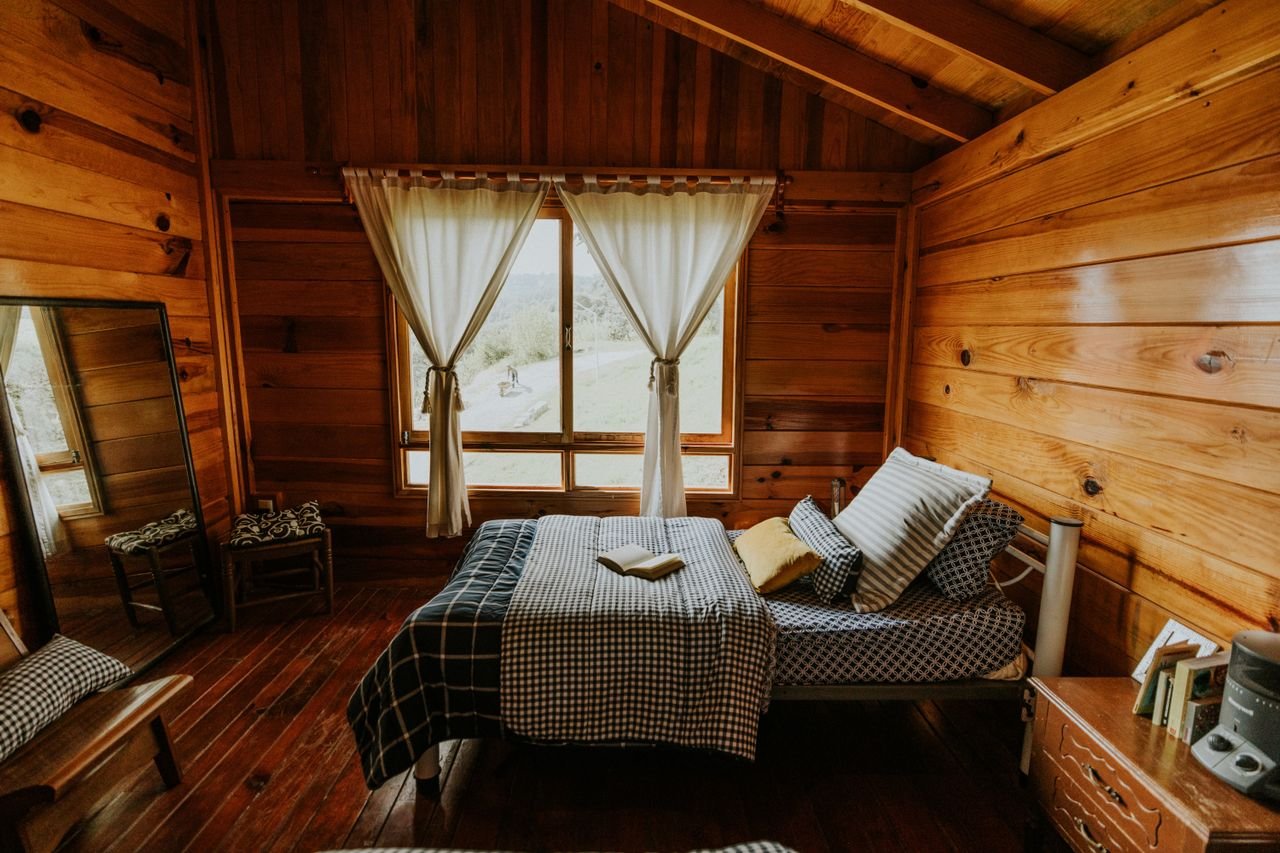
Furnishing a cabin involves more than choosing attractive sofas, beds, and dining tables. Every piece needs to look welcoming and handle regular use. Guests arrive with luggage, outdoor gear, muddy shoes, and different expectations. Your furniture needs to accommodate everyday activity without losing its charm.
The Smoky Mountains provide a beautiful backdrop, so the interior should complement the surroundings. But appearance alone won’t create a comfortable stay. The right furniture makes rooms easier to use, simplifies cleaning, and reduces maintenance. Start with practical needs, then build the rustic style around them.
Start With How Guests Will Use the Space
A room can look impressive in photographs but feel awkward in person. Perhaps the sofa blocks the fireplace. Maybe dining chairs leave little room to move. These details become noticeable once guests settle in.
Before shopping, consider the cabin’s layout and sleeping capacity. Think about where guests will gather, eat, relax, and store their belongings. A family property has different requirements from a smaller romantic retreat.
Measure each room before ordering furniture. Include doorways, staircases, and narrow corners in your measurements. A large sectional might look perfect online but prove difficult to move inside. Leave enough clearance for comfortable movement around larger pieces.
The best furniture choices begin with the floor plan. Once the layout works, you can introduce rustic finishes, natural textures, and decorative details.
Shop With Guests in Mind
Furnishing a private retreat differs from preparing a property for regular visitors. Rental owners must consider cleaning, turnover, storage, and accidental damage.
Start with the furniture guests use most. Sofas, dining chairs, beds, and nightstands should be dependable. Avoid delicate finishes in areas where people eat or place drinks. Choose pieces that cleaners can reach without moving half the room.
For owners comparing local furnishing options, Smoky Mountain furniture for cabins provides a relevant starting point. Smoky’s Furniture offers furniture for cabins, homes, and rental properties. Its collections include living room, bedroom, dining, and other furnishing options.
Small conveniences also make a difference. Bedside tables should provide space for phones and personal belongings. Entry benches give guests somewhere to remove their shoes. Storage baskets can keep blankets and everyday items organized.
Think about the room after checkout, not just before the first arrival. Can someone clean it quickly? Are surfaces easy to reach? Will furniture remain stable after repeated use?
Practical decisions make property management easier. They also help create a more comfortable experience for the next guests.
Choose Materials That Can Handle Regular Use
Cabins experience plenty of activity throughout the year. Guests return from outdoor adventures, children use shared spaces, and luggage moves between bedrooms. Furniture needs to handle this activity without requiring constant repairs.
Start with construction quality. Check whether seating frames feel sturdy and whether joints are secure. Bed frames and dining chairs should remain stable through repeated use. Ask about warranties and replacement parts before making larger purchases.
Upholstery deserves equal attention. Some fabrics show stains quickly, while others are easier to maintain. Performance fabrics can be useful in busy living areas. Removable covers may also simplify cleaning, depending on their care requirements.
Wood furniture brings warmth and character to cabin interiors. However, wood responds to changes in temperature and humidity. Choose suitable finishes and avoid placing pieces near persistent moisture or direct heat.
The American Institute for Conservation’s furniture care resources offer useful guidance on protecting furniture and other household materials. Environmental conditions, handling, and light exposure can affect their condition over time.
Keep Rustic Style Light and Comfortable
Rustic furniture gives a cabin its character. Natural textures, warm finishes, and substantial wooden pieces create a welcoming atmosphere. The challenge is using them without making rooms feel crowded.
Too many dark surfaces can make an interior feel smaller. This becomes especially noticeable in rooms with limited natural light. Balance darker furniture with lighter upholstery, neutral walls, and simple accessories.
You don’t need decorative signs and themed ornaments in every corner. A few carefully chosen details can establish the atmosphere. Textured cushions, woven accents, and handcrafted pieces often provide enough personality.
Consider the view when arranging furniture. Avoid blocking large windows with bulky cabinets or oversized chairs. Position seating so guests can enjoy the scenery without rearranging the entire room.
The goal is a cabin that feels warm rather than visually overwhelming. Leave breathing space between larger pieces. Let the natural materials and surrounding landscape create the atmosphere.
Make Shared Spaces Work for Everyone
Cabins often accommodate couples, families, and groups of friends. Their furniture should support different activities without making rooms feel overloaded.
A sectional can provide generous seating, but it shouldn’t be the only option. Add movable chairs or a small bench when space allows. Guests can rearrange seating for conversations, games, or quiet evenings.
Dining capacity deserves attention too. A table should accommodate the expected number of guests comfortably. Check chair clearance and walking space before choosing its size.
Bedrooms need practical arrangements rather than unnecessary furniture. Provide enough storage for clothing and personal belongings. In bunk rooms, prioritize safe access and comfortable movement. Avoid bulky pieces that restrict available floor space.
Think about everyday behavior. People need somewhere to leave bags, charge devices, and place drinks. These details may seem minor, but they make shared accommodation easier to use.
Spend More on the Furniture That Matters
A limited budget doesn’t mean every room needs inexpensive furniture. It means spending carefully.
Prioritize pieces that receive frequent use. The main sofa, mattresses, dining set, and bed frames deserve particular attention. Poor construction in these areas can quickly become an expensive problem.
Decorative accessories can come later. Cushions, rugs, lamps, and artwork are easier to replace. They can also refresh a room without requiring another major furniture purchase.
Compare construction, materials, warranties, and delivery costs before buying. A lower price doesn’t always mean better value. Consider how long each piece should last and what replacement might cost.
Buy for everyday performance first. Add decorative personality once the essentials are covered.
Make Cleaning and Maintenance Easier
A cabin can look wonderful on arrival day and still become difficult to maintain. Complicated furniture layouts create extra work during every cleaning cycle.
Choose pieces with accessible legs and easy-to-clean surfaces. Avoid unnecessary gaps where dust and crumbs collect. Dining furniture should have finishes suitable for regular cleaning. Upholstery should come with clear care instructions.
Keep furniture away from persistent dampness and strong direct sunlight where possible. Both can affect materials and finishes. Check wooden joints, chair legs, and bed hardware periodically.
The National Park Service’s guidance on caring for wooden objects explains how environmental conditions affect wood. Its recommendations cover factors such as humidity, temperature, and light exposure.
A simple maintenance routine can prevent small issues from becoming expensive repairs. It also helps preserve the appearance of frequently used furniture.
Furnish for the Experience You Want to Create
The best cabin interiors don’t rely on appearance alone. They make it easy for guests to settle in, spend time together, and enjoy their surroundings.
Start with the floor plan. Choose durable materials and comfortable seating. Keep shared spaces practical, and leave enough room for people to move naturally.
Most importantly, remember that furniture is part of the guest experience. A supportive mattress, comfortable sofa, and useful dining area can matter more than expensive decorations.
Choose pieces that work hard, look welcoming, and make every stay easier to enjoy. That’s how a cabin becomes more than an attractive place to stay.