

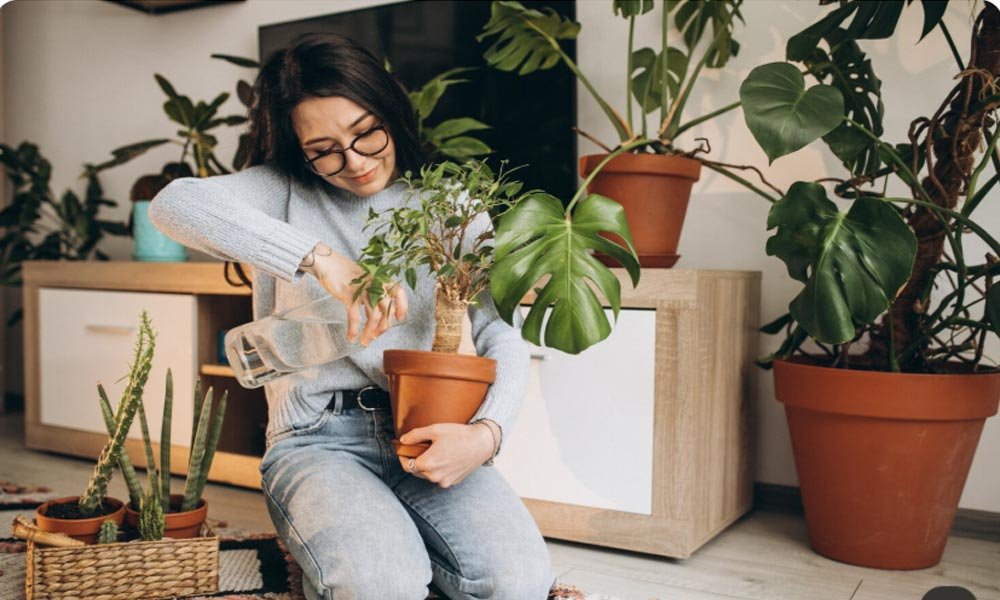
Houseplants can bring color, personality, and a touch of nature into almost any room. A collection of leafy plants can brighten an empty corner, soften a windowsill, or make a living room feel more welcoming. However, indoor gardening comes with a few housekeeping challenges. Spilled soil, fallen leaves, water stains, and dusty planters can gradually affect the surrounding space. Keeping these small problems under control is an important part of supporting a clean and balanced interior feel. With the right habits, you can enjoy your indoor greenery without constantly finding new messes to clean up.
When Beautiful Plants Leave Messy Surprises
Anyone who keeps houseplants knows that a little soil eventually ends up somewhere it shouldn’t. Watering, rearranging pots, and replacing old plants can leave dirt on shelves, floors, and furniture.
The best approach is to deal with loose soil before it gets spread around. For dry spills, use a small brush, dustpan, or vacuum attachment suitable for the surface.
Avoid immediately wiping dry soil with a wet cloth. Depending on the material, this can turn loose particles into muddy streaks that are harder to remove.
If soil lands on a rug, carefully remove larger pieces before vacuuming. Be especially gentle with delicate fabrics and natural-fiber carpets.
Don’t Let Watering Day Damage Your Furniture
Watering plants is essential, but excess moisture can create problems for the surfaces beneath them. Wooden tables, painted shelves, and certain types of flooring can develop marks when water repeatedly collects around plant containers.
Always check that pots with drainage holes have suitable saucers or protective trays.
After watering, inspect the area beneath each plant. Empty excess water from saucers when appropriate, and wipe away any spills before they remain on the surface for an extended period.
For larger planters, consider using waterproof stands that keep containers slightly elevated.
If you notice white mineral deposits on a saucer, clean it separately using a product compatible with its material. Avoid applying acidic cleaners directly to natural stone or other sensitive surfaces.
Your Plant Leaves Need a Little Attention Too
Large plant leaves can collect noticeable amounts of household dust, particularly in rooms near busy roads or frequently opened windows.
Dust can dull their appearance and interfere with the light reaching the leaf surface. Fortunately, most sturdy foliage plants can be cleaned without complicated equipment.
For plants with smooth, durable leaves, gently wipe each leaf with a soft, slightly damp cloth while supporting it from underneath.
Delicate, fuzzy, or textured leaves may require a different approach. A soft brush is sometimes more suitable than water, depending on the species.
Avoid household furniture polish and general cleaning sprays on foliage. These products are not designed for living plants and may damage sensitive leaves.
Cleaning the surrounding windowsill or shelf at the same time helps prevent dust from quickly settling back onto the foliage.
Give Your Windowsills a Proper Cleanup
Windowsills are popular places for houseplants because they often receive the natural light needed for healthy growth. Unfortunately, they can also become collection points for soil, dead leaves, and moisture.
Move smaller pots carefully and inspect the surface underneath. You’ll sometimes discover water marks or debris that were hidden by the containers.
Use an appropriate cleaner for the windowsill material, whether it’s painted wood, tile, stone, or another finish.
Check the window tracks for loose soil and dried leaves. A narrow vacuum attachment can help remove debris from difficult corners.
Before returning the plants, make sure the surface is dry and that the pots won’t obstruct window operation.
Keep Plant Corners From Becoming Cluttered
A dedicated plant corner can become a beautiful feature in your home, but it can also attract more clutter than you intended. Empty pots, watering cans, fertilizer containers, and gardening tools often accumulate around the display.
Start by separating the plants themselves from the supplies used to maintain them.
Store extra soil in a sealed container, keep tools together, and remove empty packaging instead of leaving it behind furniture.
If your plant collection has expanded beyond the available space, consider rearranging it to make cleaning and watering easier.
For households balancing plant care with other responsibilities, exploring general housekeeping assistance through www.bluebird-cleaning.com/ may provide another way to manage everyday cleaning needs.
Keeping the surrounding space organized also makes it easier to notice spills before they become a problem.
Repotting Doesn’t Have to Turn Into a Disaster
Repotting is sometimes necessary as plants grow, but the process can leave soil scattered across tables, floors, and nearby furniture.
Instead of working directly on a household surface, choose a designated area where the mess can be contained.
A large gardening tray, washable mat, or sturdy plastic sheet provides a convenient place to handle soil and containers.
Gather everything you need before starting, including the new pot, potting mix, watering supplies, and a small brush for cleanup.
When you’ve finished, return unused soil to its storage container and inspect the surrounding area for spilled material.
If you’re working indoors, avoid placing dirty gardening tools directly on kitchen counters or food preparation surfaces.
Watch Out for Mold and Unwanted Visitors
Constantly damp potting soil can sometimes encourage fungal growth or attract small insects, such as fungus gnats. These issues are often associated with excess moisture and can become frustrating when several plants are affected.
Before using insecticides or other treatments, identify the problem and review the care requirements of the plant.
Allowing the upper layer of potting mix to dry between waterings may help with moisture-related problems for species that tolerate this approach.
Remove decaying leaves from the soil surface and avoid leaving standing water in decorative containers.
If mold appears on nearby walls, furniture, or window frames, investigate the moisture source rather than simply wiping away the visible growth.
Proper watering practices, adequate drainage, and suitable air circulation can help prevent many of these recurring problems.
Make Plant Shelves Easier to Maintain
Plant shelves create attractive displays, especially in smaller homes where floor space is limited. However, tightly packed containers can make ordinary cleaning unnecessarily difficult.
Try leaving enough room between plants to reach the surfaces underneath them.
Avoid placing heavy containers on shelves that aren’t designed to support their combined weight, particularly after watering.
When cleaning, move lightweight pots one at a time and inspect the shelf for soil, moisture, and fallen leaves.
Pay attention to the underside of hanging planters as well. Dripping water can leave marks on furniture or flooring below.
If you use grow lights, switch them off and allow them to cool before cleaning. Follow the manufacturer’s instructions for removing dust from electrical equipment.
A little extra space between plants also makes watering and routine inspections more convenient.
Give Your Indoor Garden a Seasonal Refresh
Plant collections change throughout the year. Some species grow quickly during warmer months, while others require less water or attention during periods of slower growth.
These changes provide a good opportunity to review how your plants are arranged.
Remove dead foliage, inspect containers for damage, and clean surfaces that are normally hidden behind larger plants.
Wash reusable gardening tools when necessary and allow them to dry before putting them away.
You might also discover that certain plants would be easier to maintain in different locations. Consider their lighting and environmental requirements before moving them.
There’s no need to rearrange the entire collection every season. A few practical adjustments can make the surrounding space easier to care for.
Enjoy the Greenery Without the Extra Mess
A home filled with plants should feel relaxing, not become another source of constant housework. Fortunately, most plant-related messes are easier to manage when they’re addressed early.
Protecting furniture from water, containing soil during repotting, and keeping gardening supplies organized can prevent many common problems.
Paying attention to leaves, containers, and nearby surfaces also helps you notice when a plant needs care or when moisture is collecting somewhere it shouldn’t.
You don’t need a spotless indoor garden to enjoy your favorite plants. A few sensible cleaning habits allow the greenery to remain the focus while the surrounding space stays comfortable, attractive, and easy to maintain.