

Your garage door starts to close, hesitates, then reverses, and the opener light blinks. The remote battery is fine, but the door still will not cooperate. Before assuming the motor is failing, a short, safe diagnostic sequence can reveal whether the issue is with sensors, travel settings, or the door’s moving hardware. This step-by-step approach helps you rule out simple causes like dirty photo eyes or misadjusted limits while recognizing when high-tension parts such as springs or cables require a trained technician. The goal is to keep people and property safe while restoring reliable operation without guesswork or unnecessary part replacements.
-
Start With Safety: Test Balance and Bypass the Opener
Pull the red emergency release handle to disconnect the opener and lift the door by hand. A balanced door with intact torsion or extension springs should stay near halfway without drifting. If the door is suddenly heavy, sags, or crashes shut, you may have a broken torsion spring on the shaft above the door, a failed extension spring along the horizontal track, or a cable off its drum. Do not keep running the opener against a heavy door; the trolley, drive sprocket, or belt can be damaged. For spring or cable problems, a reputable Garage door supplier can assess tension, cable wraps, and drums safely with the proper tools.
-
Photo Eyes: Alignment, Obstructions, and Sunlight Interference
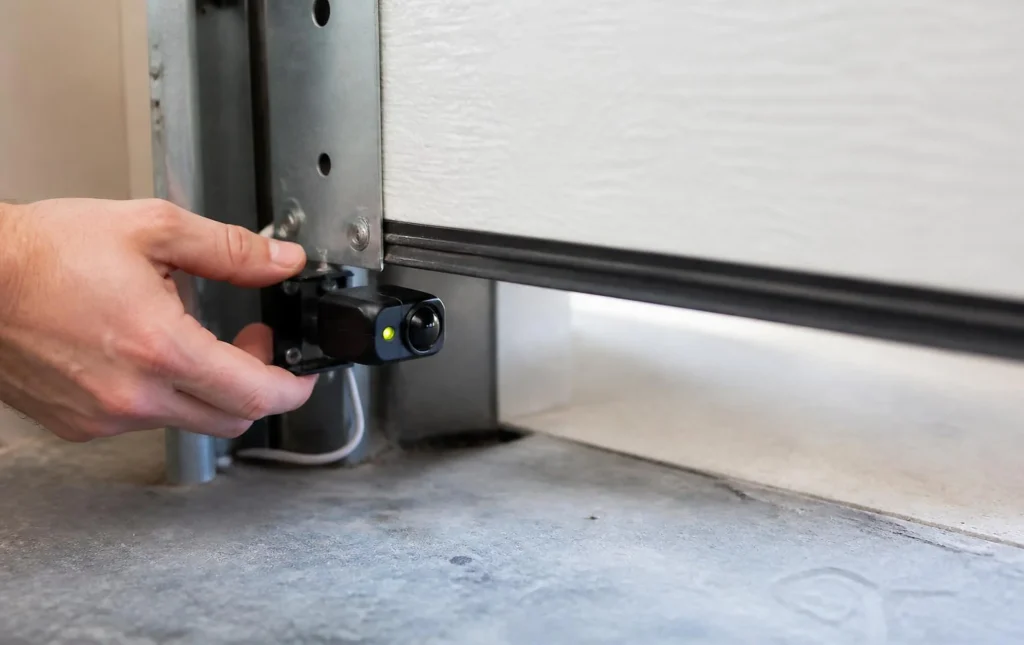
Most modern openers monitor a pair of photo eye sensors mounted 4 to 6 inches above the floor near the vertical tracks. If either lens is dirty, bumped out of alignment, or blocked by a shovel or trash bin, the opener will refuse to close and may flash its light. Clean both lenses, then check the indicator LEDs on each sensor. One solid green and one solid amber is a common good pattern; blinking or no light usually points to misalignment or a wiring issue. Loosen the sensor bracket slightly and rotate until both lights stay solid, then retighten. Inspect the low voltage wires for staples driven too tight or brittle splices that can interrupt the circuit.
-
Travel and Force Settings: When Limits Stop the Door Short
If the door lowers smoothly by hand but stops and reverses only under power, look at the opener’s down travel and down force controls. These may be labeled screws, dials, or buttons on the head near the ceiling. When the down travel is set too short, the door thinks the floor arrived early and reverses. When down force is too low, normal resistance from the bottom seal can trigger a safety reversal. Adjust in small increments, testing after each change. Place a 2×4 flat under the door and confirm it reverses on contact to maintain safety. A key tradeoff: cranking up down force may let a binding door close, but it masks a hardware problem and can reduce the effectiveness of safety features.
-
Hardware That Causes Binding: Rollers, Tracks, and Hinges
Friction and misalignment often feel like an electrical problem but originate in the door’s hardware. Look for worn steel rollers with flat spots, missing bearings, or nylon rollers that no longer spin freely on their shafts. Examine the vertical and horizontal tracks for rub marks, dents at the curved radius, or jamb brackets with loose lag screws. Even a slight inward twist of a track can pinch a roller and make the opener reverse at the same height every cycle. Lubricate steel rollers, hinges, and the torsion spring coils with a silicone based spray or light garage door lithium grease. Avoid soaking the tracks; buildup attracts grit and increases drag. If the top section flexes or the top fixture binds at the header, adding a reinforcing strut and resetting the top roller position can prevent hangups near fully closed or fully open.
Know the Line Between DIY and Dangerous: Springs, Cables, and Drums
High tension components deserve a hard stop. A visible gap in a torsion spring, a frayed lift cable near the bottom bracket, or a cable that has come off the drum can make the door crooked, heavy, and unpredictable. These repairs require winding bars that fit the spring’s cones, awareness of set screw positions on the drums, and control of the torsion shaft. Extension springs need intact safety cables to restrain recoil. Rewinding a spring or resetting cable without training can cause severe injury. Also inspect panel joints around hinges; cracked stiles or torn metal concentrate stress and can tear further under load. Reinforcement and proper fasteners should precede any attempt to reengage the opener.
Most closing failures trace back to a short list of causes: an unbalanced door, misaligned photo eyes, overcautious travel settings, or hardware friction. Work in that order. Test balance with the opener disconnected, verify solid sensor lights, fine-tune down travel and down force in small steps, and correct binding from rollers, tracks, or hinges rather than overriding it with more force. Use penetrants to loosen fasteners and apply proper lubricants to moving parts. If you encounter a broken spring, a cable off the drum, or structural damage to a section, stop and schedule a professional evaluation. A trained technician can restore safe counterbalance, true the tracks, and confirm the opener’s safety systems work as they should.