

Beauty has never been a fixed concept. It changes with culture, personal experiences, artistic movements and the subtle ways individuals choose to present themselves to the world. Fashion expresses identity through colour, silhouette and texture, while a smile communicates warmth, confidence and personality without requiring a single word. Today, these two worlds are finding an unexpected connection through digital smile design, an approach that brings greater visualisation and personalisation to modern cosmetic dental treatment.
Rather than treating an attractive smile as a universal ideal, digital technology is helping dental professionals explore how a person’s teeth, facial features and preferences can work together. For Australians who value individuality as much as appearance, this evolution reflects a broader cultural shift: beauty is becoming less about fitting a template and more about creating something that feels authentically personal.
When a Smile Becomes Part of Personal Style
Fashion is powerful because it allows people to communicate who they are without explaining themselves. A carefully chosen outfit can suggest creativity, elegance, confidence or a willingness to challenge convention. A smile can play a similar role, influencing how someone feels about their appearance and how they interact with others.
However, the relationship between a smile and personal identity is complex. Some people prefer a bright, symmetrical appearance, while others value subtle changes that preserve the natural character of their teeth. There is no single aesthetic outcome that suits every face, just as one clothing style cannot express everyone’s personality.
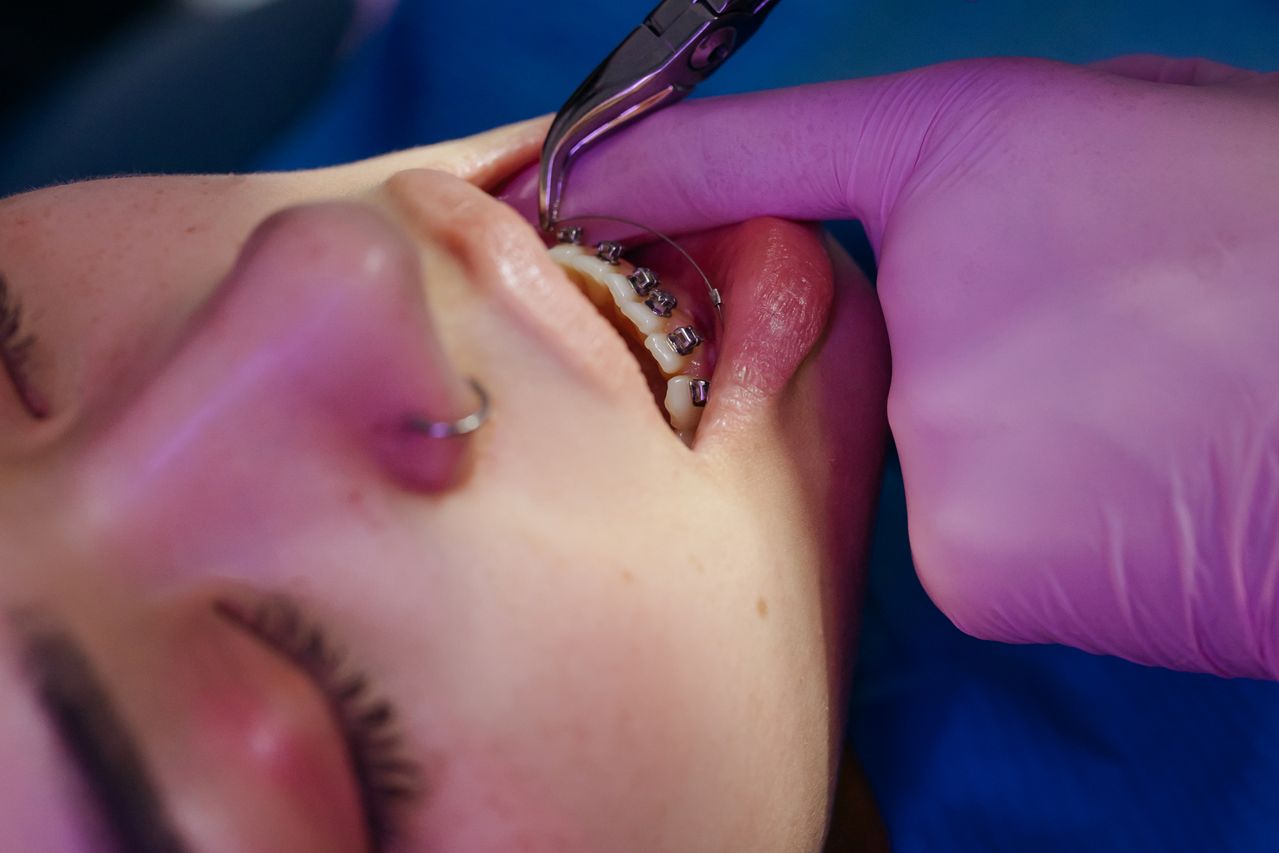
This is where cosmetic dentistry can move beyond conventional ideas of visual perfection. Treatments such as professional teeth whitening, veneers, bonding and orthodontic alignment offer different ways to address individual concerns. The appropriate option depends on factors including oral health, tooth structure, treatment goals and the person’s expectations.
Digital smile design adds another dimension by helping patients and dental professionals discuss potential aesthetic changes before treatment begins. Instead of relying exclusively on verbal descriptions, they can use photographs, digital images and visual simulations to explore possibilities together.
Digital Smile Design: Visualising Possibilities Before Treatment
Traditional cosmetic consultations can sometimes leave patients imagining an outcome that is difficult to describe. Words such as natural, balanced or brighter may mean different things to different people. Digital smile design helps bridge this communication gap.
Depending on the system used, a dentist may combine clinical photographs, digital scans, facial measurements and planning software to create a visual representation of a proposed smile. This can help illustrate how changes in tooth shape, proportion, alignment or colour might influence the overall appearance.
The process resembles the early stages of fashion design. Before a garment reaches its final form, a designer considers proportions, materials and the person who will wear it. Similarly, a dentist evaluates the patient’s facial characteristics, dental anatomy and preferences when planning an aesthetic treatment.
Importantly, a digital preview is a planning aid rather than a guarantee of the final result. Actual outcomes depend on biological factors, clinical limitations and the treatment selected. A responsible practitioner explains these uncertainties and ensures that aesthetic goals remain compatible with oral health.
When used thoughtfully, visualisation can make consultations more collaborative, allowing patients to ask better questions and develop a clearer understanding of their options.
The Influence of Fashion on Modern Smile Aesthetics
Contemporary fashion increasingly celebrates individuality. Personal styling, custom-made garments and the revival of vintage influences demonstrate that beauty does not always require uniformity. Similar ideas are emerging in discussions about smile aesthetics.
For some patients, a polished and luminous appearance may reflect their preferred style. Others may seek modest adjustments that preserve the character of their natural teeth. Rather than automatically choosing the whitest shade or most symmetrical arrangement, a personalised approach considers how the proposed result relates to the individual’s features and preferences.
Social media has contributed to the visibility of cosmetic dentistry, exposing audiences to a wide range of smile transformations. While this can encourage people to explore available options, it can also create unrealistic expectations. Filters, edited photographs and highly stylised transformations rarely communicate the full clinical process or the long-term maintenance involved.
Fashion can inspire aesthetic exploration, but dental treatment should not be driven by fleeting trends alone. Teeth are living structures, and some cosmetic procedures involve permanent changes to natural tooth tissue. Decisions should therefore prioritise long-term function, conservation and individual suitability.
The most meaningful result is not necessarily the smile that attracts the most attention. It is the one that aligns with the patient’s preferences while supporting healthy, comfortable function.
Personalisation, Communication and Patient Satisfaction
One of the greatest advantages of digital smile design is its potential to improve communication between patients and dental professionals. Cosmetic treatment involves personal expectations, and misunderstandings can arise when a patient imagines a different result from the one a clinician believes they have discussed.
Visual planning creates an opportunity to address these differences early. Patients can explain what they like, identify features they wish to preserve and ask about alternatives. Dentists can discuss realistic outcomes, explain clinical limitations and recommend conservative approaches where appropriate.
This collaborative process may help to improve patient satisfaction by creating clearer expectations and giving patients a more active role in decision-making. However, digital technology alone cannot guarantee satisfaction. The quality of clinical care, honest communication, appropriate treatment selection and ongoing support remain essential.
Patients should also understand that not every requested change is advisable. If an aesthetic preference could compromise tooth structure, gum health or bite function, a responsible dentist should explain the risks and explore safer alternatives.
Personalisation is not simply about giving people everything they request. It is about helping them make informed decisions that balance their desired appearance with their long-term wellbeing.
The Australian Perspective: Beauty With a Focus on Oral Health
In Australia, consumers can encounter an extensive range of cosmetic dental services, from whitening and bonding to veneers and digitally planned orthodontic treatment. This variety creates opportunities for personal expression, but it also makes reliable professional guidance particularly important.
Before pursuing an aesthetic procedure, patients should consider the condition of their teeth and gums, the durability of the proposed treatment, potential maintenance costs and whether less invasive options may achieve their goals.
Good oral hygiene, regular dental examinations and appropriate preventive care remain important regardless of how a smile looks. Whitening cannot correct every underlying dental concern, and veneers do not remove the need to care for natural teeth and surrounding tissues.
Patients should also check a practitioner’s qualifications, understand the proposed procedure and ask about potential risks, alternatives and long-term implications. Cosmetic decisions deserve the same thoughtful consideration as any other investment in personal wellbeing.
Designing a Smile That Feels Like Your Own
The convergence of digital dentistry and fashion reveals something important about modern beauty: people increasingly want choices that reflect their individuality rather than standards imposed from outside.
Digital smile design can support this shift by making treatment planning more visual, collaborative and personal. It allows aesthetic conversations to begin with the individual rather than a predetermined ideal, while giving dental professionals an opportunity to balance creative preferences with clinical responsibility.
Ultimately, a smile is not an accessory that can simply be replaced when fashion changes. It is part of a person’s identity, health and everyday life. The future of personalised cosmetic care lies in recognising this distinction.
When technology supports honest communication and thoughtful clinical judgement, beauty becomes less about chasing perfection and more about making considered choices. The result is an approach to smile design in which individuality is respected, oral health remains central, and confidence grows from feeling comfortable with the person reflected in the mirror.