

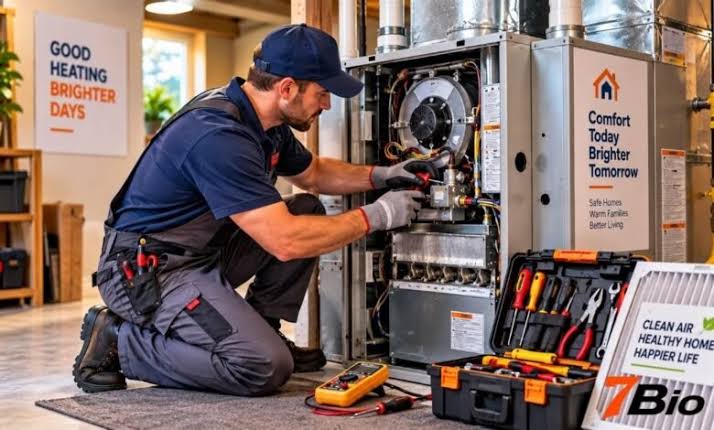
A properly functioning furnace is an important part of maintaining dependable indoor comfort during colder weather. Modern heating systems are designed to operate through repeated heating cycles, but continuous use can gradually affect mechanical components, electrical connections, airflow, controls, filters, and other parts of the equipment. A furnace may continue producing heat even when an underlying problem is beginning to develop, which means homeowners should pay attention to changes in normal operation instead of waiting until the system stops completely. Longer heating cycles, uneven temperatures, unusual sounds, weak airflow, frequent cycling, or unexpected odors can all indicate that the equipment should be evaluated. Some problems are relatively minor and can be addressed through routine maintenance, while others may involve components that require professional diagnosis and repair. Understanding how a furnace operates and recognizing the early signs of trouble can help property owners make better decisions about maintenance and service. Professional attention is particularly important because furnaces contain electrical, mechanical, and, depending on the equipment, combustion-related components that require appropriate knowledge and safety procedures. A proactive approach can support reliable performance while helping homeowners avoid unnecessary disruption during periods when dependable heating is most important.
Understanding Furnace Operation
A furnace relies on several connected systems to produce and distribute heated air throughout a property. The thermostat communicates the demand for heat, the furnace activates its appropriate components, and the blower moves conditioned air through the ductwork and into occupied spaces. Depending on the type of furnace, additional components may be responsible for ignition, combustion, heat exchange, fuel delivery, exhaust, safety monitoring, and temperature control. Because these elements work together, a problem in one area can influence the performance of another. A restriction in airflow, for example, can affect how the system operates and may cause longer cycles or uneven temperatures. A control problem can prevent the furnace from starting correctly, while a mechanical issue may create unusual sounds or reduce airflow. Understanding these relationships is important when diagnosing heating problems because the most noticeable symptom is not always the actual source of the malfunction. Professional inspection allows technicians to evaluate the equipment as a complete system and determine which components require attention.
Recognizing Early Warning Signs
Furnace problems often develop gradually, giving homeowners an opportunity to identify warning signs before a complete breakdown occurs. One of the most common indications is inconsistent heating, where certain rooms remain colder than others even though the thermostat indicates that the system is operating. Longer heating cycles can also signal a developing concern, particularly when the furnace previously reached the desired temperature more quickly under similar conditions. Unusual sounds such as rattling, grinding, squealing, banging, or repeated clicking may indicate that a mechanical or electrical component requires inspection. Frequent cycling, weak airflow, unusual odors, or changes in thermostat behavior can provide additional clues about system condition. These symptoms do not automatically identify a specific component as the cause, but they are useful indicators that professional evaluation may be appropriate.Paying attention to these changes is important because continuing to operate equipment under abnormal conditions can sometimes place additional stress on components. A system may continue producing heat while an underlying issue gradually becomes more serious. Addressing a concern when it first becomes noticeable can give technicians more information about the equipment’s behavior and may provide more options for repair. Homeowners should therefore avoid dismissing unusual operations simply because the furnace still turns on. Reliable heating depends not only on whether the equipment produces heat but also on whether it operates consistently, safely, and efficiently within its intended conditions.
Common Causes of Furnace Problems
Furnace problems can result from many different conditions, including normal component wear, restricted airflow, electrical issues, inadequate maintenance, thermostat problems, mechanical deterioration, or equipment-specific failures. Filters can become increasingly restricted as they collect airborne particles, which may reduce airflow through the system. Motors and blower components can experience wear after repeated operation, while electrical connections and controls can develop problems over time. In certain furnace designs, ignition or combustion components may require specialized inspection if the equipment does not start or maintain proper operation. Drainage systems associated with some high-efficiency equipment can also experience blockages or other conditions that affect performance.Because multiple problems can produce similar symptoms, homeowners should not assume that a particular part has failed without appropriate diagnosis. For example, a furnace that runs continuously may not necessarily have a heating-capacity problem. Restricted airflow, thermostat settings, ductwork concerns, or other operating conditions can influence system runtime. Similarly, a furnace that does not start may have a control issue, electrical problem, safety shutdown, or another cause. Professional diagnosis helps distinguish between these possibilities and allows service recommendations to be based on the actual condition of the equipment.
The Importance of Proper Airflow
Airflow is a fundamental part of furnace performance because heated air needs to move through the ductwork and reach the rooms where it is needed. When airflow is restricted, the furnace may operate for longer periods without distributing heat effectively. Homeowners may notice weak airflow from vents, rooms that remain colder than expected, or increased thermostat adjustments. A dirty filter is one possible cause, but airflow can also be affected by blocked return openings, obstructed registers, ductwork restrictions, blower problems, or other system conditions. Keeping supply and return openings reasonably clear can support normal air movement, while filters should be maintained according to the manufacturer’s recommendations.Professional maintenance can provide a more detailed evaluation of airflow and help identify conditions that are not obvious during a simple visual inspection. If a filter is clean but airflow remains weak, further investigation may be necessary to determine whether the problem involves the blower, ductwork, return system, or another component. Proper airflow supports more consistent heating and can help prevent the furnace from operating under unnecessary strain. Addressing airflow concerns is therefore an important part of maintaining the overall heating system rather than simply focusing on the furnace’s heat-producing components.
Electrical and Mechanical Components
Furnaces depend on electrical and mechanical components to complete their heating cycles correctly. Motors, capacitors, switches, relays, control boards, wiring, sensors, blowers, and other components can experience wear or malfunction over time. Mechanical parts may produce unusual sounds when they become worn, while electrical problems can cause intermittent operation, startup failures, unexpected shutdowns, or irregular cycling. Because these components interact with one another, identifying the actual source of a failure is important before replacing parts. A component that appears to be malfunctioning may have been affected by another operating condition.Homeowners should generally avoid attempting complex electrical or mechanical repairs without appropriate training and safety knowledge. Furnace equipment can contain energized components and other hazards that require professional handling. A qualified technician can inspect and test relevant parts using suitable diagnostic procedures and determine whether repair or replacement is appropriate. Professional service can also include testing the equipment after the repair to confirm that the system is operating correctly. This approach helps reduce the possibility of an incomplete repair and provides greater confidence that the underlying problem has been properly addressed.
Furnace Safety Considerations
Safety is an especially important consideration when servicing heating equipment. Depending on the furnace type, the system may involve electrical power, combustion, fuel, exhaust, ignition, heat exchange, or other components that require specialized attention. Problems involving these areas should not be ignored or addressed through improvised repairs. Unusual odors, repeated safety shutdowns, visible damage, abnormal combustion-related behavior, or other concerning symptoms should be professionally evaluated. Homeowners should follow manufacturer safety instructions and seek qualified service when the equipment is not operating normally.Professional maintenance provides an opportunity to inspect safety-related components and identify conditions that may affect normal operation. A technician can evaluate equipment-specific controls and other relevant parts according to the system design. Safety inspections should be viewed as part of complete furnace maintenance rather than something that is necessary only after a major failure. Maintaining the equipment appropriately can help property owners remain aware of its condition and address concerns before they become more disruptive. Because different furnace types have different operating requirements, professional service should be based on the specific equipment installed at the property.
Why Professional Diagnosis Matters
Accurate diagnosis is essential when a furnace develops a performance problem because several different conditions can produce similar symptoms. A system that fails to reach the thermostat setting could have an airflow restriction, control problem, mechanical issue, thermostat concern, or another equipment-specific malfunction. Simply replacing a commonly failed component without testing the system may not solve the underlying problem. A professional technician can evaluate the equipment systematically and use appropriate diagnostic tools to determine where the problem originates.A detailed diagnosis can also reveal whether an issue is isolated or part of a larger system condition. If a blower component has failed because of normal wear, replacing the component may restore operation. However, if restricted airflow or another abnormal condition contributed to excessive strain, that condition may also need to be addressed. Understanding the reason behind a failure can help reduce recurring problems and improve long-term reliability. Property owners can benefit from asking technicians to explain what was discovered, which components are affected, and what options are available. Clear information makes it easier to prioritize service and understand the expected outcome of the repair.
When Professional Furnace Repair Is Necessary
Professional furnace repair may be necessary when a furnace develops persistent performance problems, unusual operating behavior, or a component failure that cannot be resolved through basic homeowner maintenance. Problems such as inadequate heating, weak airflow, repeated cycling, unusual noises, startup failures, or frequent shutdowns can indicate that the equipment requires professional evaluation. The appropriate repair depends on the actual diagnosis and the type of furnace involved. Service may include addressing electrical components, mechanical parts, controls, airflow restrictions, ignition-related components, drainage concerns, or other system-specific issues.Timely attention can be useful because continued operation under abnormal conditions may affect additional components. Not every furnace problem will immediately become a major failure, but persistent symptoms should not be ignored simply because the system continues to produce some heat. A professional can evaluate the severity of the issue and explain whether immediate service is required, whether monitoring is appropriate, or whether other maintenance should be completed at the same time. This gives homeowners a clearer understanding of their equipment and allows them to make decisions based on actual system conditions.
Repair Versus Replacement
When a furnace develops a significant problem, homeowners may need to determine whether repairing the existing system or considering replacement would be more practical. Several factors can influence this decision, including equipment age, overall condition, repair cost, maintenance history, frequency of previous failures, availability of replacement parts, and expected future heating requirements. A relatively newer furnace with an isolated component problem may remain a practical candidate for repair, while an older system that requires frequent major repairs may deserve a broader evaluation. Age by itself does not necessarily determine whether a furnace should be replaced because the actual condition and service history are also important.A professional evaluation can provide homeowners with information about the equipment beyond the immediate failed component. If other parts show significant deterioration, this may influence long-term planning. If the equipment is otherwise in good condition, repairing the identified problem may restore dependable service without requiring a complete replacement. Property owners can compare the immediate repair needs with the expected future performance and maintenance requirements of the system. Having accurate information can reduce the pressure associated with making a replacement decision during an emergency and can help homeowners plan future heating improvements more deliberately.
Preventive Furnace Maintenance
Preventive maintenance provides an opportunity to inspect the furnace before problems become more disruptive. Depending on the equipment, maintenance may involve examining filters, airflow, electrical connections, blower components, controls, safety devices, drainage, ignition-related parts, and other system-specific components. The exact maintenance requirements depend on the furnace design and manufacturer recommendations. A professional inspection can identify developing concerns and provide homeowners with information about which components may require attention.Maintenance is particularly useful before periods of heavy heating demand. A system that appears to operate normally during moderate weather may reveal problems after it begins running for longer periods. Scheduling service before the equipment is heavily used provides an opportunity to address concerns while there is still time to complete necessary work. Homeowners can support this process by maintaining filters, keeping equipment areas accessible, avoiding blocked vents, and paying attention to changes in normal operation. Preventive care cannot eliminate every possible failure, but it can help property owners remain informed about equipment condition and address certain concerns before they become unexpected emergencies.
Maintaining Long-Term Furnace Reliability
Long-term furnace reliability depends on more than responding to failures when they occur. Installation quality, equipment condition, airflow, maintenance history, thermostat settings, operating patterns, building characteristics, and environmental conditions can all influence system performance. Keeping service records can provide valuable information about previous inspections, repairs, component replacements, and recurring concerns. This history can help technicians understand how the system has performed over time and may make future diagnosis more efficient. It can also help homeowners recognize whether a particular component has required repeated attention.A consistent approach to maintenance can make long-term equipment planning easier. If a furnace begins requiring increasingly frequent repairs, service records can provide evidence of how its condition has changed rather than relying on memory. These records can also be useful when discussing repair or replacement options with a technician. Property owners may find it helpful to keep invoices, inspection reports, equipment information, warranty documents, and notes about significant repairs in an accessible location. Treating maintenance and repair as an ongoing equipment-management process can provide better information for future decisions and help support dependable heating performance throughout the system’s service life.
Preparing for Seasonal Heating Demand
Preparing a furnace before periods of increased heating demand can help property owners identify potential problems in advance. During colder weather, heating systems may operate for extended periods, increasing the importance of dependable equipment performance. A maintenance inspection before heavy use can provide an opportunity to identify worn components, airflow concerns, control issues, or other conditions that could affect reliability. Completing necessary service ahead of time can also reduce the chance of discovering a significant problem when the equipment is urgently needed.Seasonal preparation should be combined with regular attention throughout the year. Filters should be maintained according to manufacturer recommendations, supply and return openings should remain reasonably unobstructed, and equipment areas should be kept accessible. Homeowners should also pay attention to changes in heating performance, especially unusual noises, repeated cycling, weak airflow, or inconsistent temperatures. If the system behaves differently from normal, professional evaluation can help determine whether the change is related to a minor maintenance need or a more significant concern. This proactive approach can make heating system management more predictable and support better long-term planning.
Conclusion
Reliable furnace performance depends on the condition of many interconnected components, including airflow systems, filters, controls, electrical parts, mechanical equipment, safety devices, and other system-specific components. Problems can develop gradually, which makes it important for homeowners to recognize changes in normal operation rather than waiting until the equipment stops completely. Uneven temperatures, unusual sounds, weak airflow, repeated cycling, startup problems, and unexplained changes in heating performance can all provide useful indications that professional evaluation may be appropriate. Prompt attention can help property owners understand the cause of a problem and determine the most suitable service approach. Preventive maintenance also plays an important role because it allows heating equipment to be inspected even when no obvious problem is present. Professional service, proper filter care, unobstructed airflow, accurate maintenance records, and attention to warning signs can all contribute to better furnace management. When a significant problem occurs, professional furnace repair can help determine whether a repair is appropriate or whether the condition of the equipment should be evaluated for longer-term replacement planning. With consistent care and qualified service, homeowners can support dependable heating performance, maintain greater awareness of equipment condition, and make informed decisions about repairs and future HVAC needs.