

You notice it in small moments first. A child says a tooth feels funny. A parent keeps putting off a cleaning because work is packed. Someone in the house clenches their jaw at night and wakes up sore. Oral health often slips down the list until pain, cost, or worry pushes it back to the top, whether that means a routine visit or exploring dental implants in Harker Heights. That is usually when stress shows up too.
Why Family Dentistry Is A Long Term Investment In Wellness comes down to one simple truth. Regular dental care does more than protect teeth. It helps you catch problems early, avoid expensive treatment later, and support the health of your whole household over time. A family dentist is not just there for cavities. They become part of the routine that keeps life steadier, easier, and less reactive.
Family dental care lowers the cost of waiting
Most people do not ignore dental visits because they do not care. They wait because life gets crowded, budgets get tight, and nothing feels urgent until it suddenly does. The trouble is that dental problems rarely stay small. A spot of decay can turn into a filling, then a crown, then a root canal or extraction. Bleeding gums can grow into advanced gum disease. What looked like saving money often becomes a much larger bill.
This is where family dental care earns its value. Preventive visits create a record over time. Your dentist sees patterns, changes in bite, weak spots in enamel, early gum inflammation, and habits like grinding or poor brushing technique. That long view matters. It is much easier to treat a small issue than recover from a painful one that disrupted school, work, sleep, and your budget.
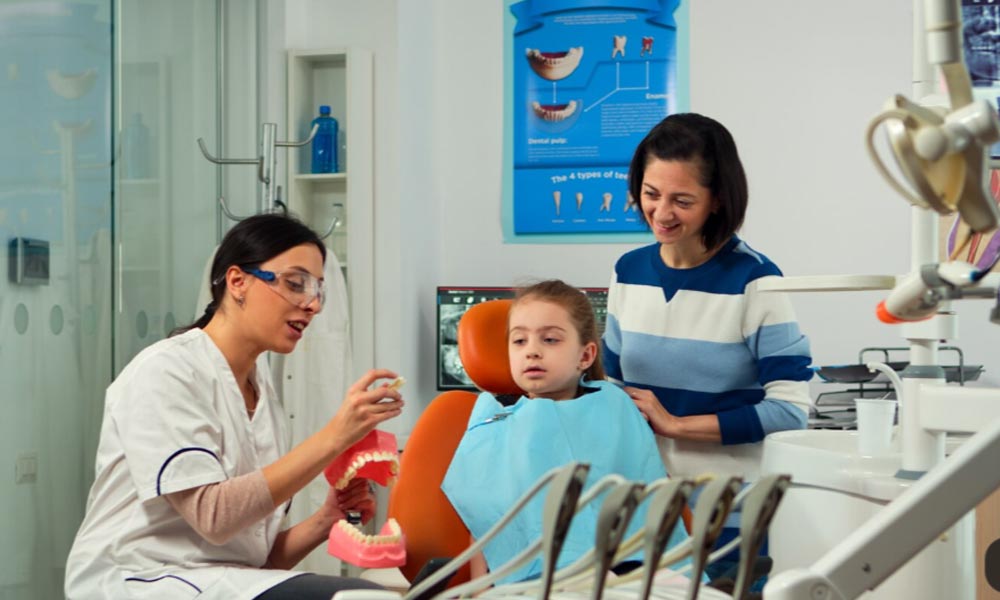
Children benefit from that rhythm early. They learn that dental visits are normal, not something tied only to pain. Adults benefit too, especially when years of wear, stress, medications, or chronic health conditions start affecting the mouth in ways that are easy to miss at home.
Oral health is tied to whole body wellness
Your mouth is not separate from the rest of your health. Gum disease, inflammation, dry mouth, infections, and untreated decay can affect eating, sleep, confidence, and daily comfort. They can also connect to broader medical concerns. If you live with diabetes, for example, oral health deserves close attention because blood sugar and gum health can affect each other. The National Institute of Dental and Craniofacial Research explains that diabetes and oral health are closely linked, which means steady dental care supports more than your smile.
Even basic prevention habits have a bigger effect than people expect. The CDC outlines oral health tips for adults that reduce risk and help protect long term health. Brushing, flossing, regular exams, and limiting tobacco are not dramatic steps, but they are the kind that prevent disruption later.
Families often see another benefit that is less talked about. When one dental home serves multiple generations, communication gets easier. Appointment scheduling is simpler. Advice becomes more consistent. A dentist who knows your family history may spot inherited patterns or shared habits faster. That continuity saves time and reduces guesswork.
Preventive dentistry creates value you can feel over the years
Preventive dentistry is not just a cleaner smile twice a year. It is fewer emergencies, fewer missed workdays, fewer school absences, and less anxiety around treatment. It also supports comfort in ways people tend to overlook until something goes wrong. When chewing hurts, when a chipped tooth changes how you speak, or when swelling starts over a weekend, the impact reaches far beyond the mouth.
Some oral problems also become medical concerns. A dental abscess, for example, is not something to watch and hope away. MedlinePlus explains that a tooth abscess is a bacterial infection that can become serious without treatment. This is why regular care matters. Prevention is less about perfection and more about avoiding the chain reaction that starts with one untreated issue.
| Approach | Short Term Cost | Likely Outcome | Long Term Impact |
|---|---|---|---|
| Routine cleanings and exams | Lower and predictable | Early detection of decay, gum issues, grinding, and bite changes | Fewer emergencies and lower treatment costs over time |
| Waiting until pain appears | Seems lower at first | Problems are often more advanced by the time they are found | Higher bills, more invasive treatment, more time lost |
| One dentist for the whole household | Similar visit costs | Stronger continuity and easier scheduling | Better follow through and a clearer long term health picture |
| Inconsistent or fragmented care | Varies | Missed patterns, repeated paperwork, uneven advice | More confusion and a greater chance of delayed care |
Small decisions now shape your family dentist experience later
The value of a family dentist grows slowly, then all at once. At first it may feel like simple maintenance. Over the years, it becomes a record of your family’s health, habits, risks, and progress. That relationship can make hard moments easier too. If a child cracks a tooth, if a parent needs gum treatment, if a teen starts orthodontic care, you are not starting from zero with someone new.
That familiarity matters when people are nervous. It matters when treatment options need to fit a real budget. It matters when you want guidance that takes your family’s routine into account instead of offering generic advice that sounds good but never sticks.
Three practical steps to protect long term oral wellness
Set routine visits before a problem starts. Put cleanings and exams on the calendar the same way you handle school dates or annual checkups. When appointments are planned in advance, care is less likely to become reactive.
Track health changes that affect the mouth. New medications, dry mouth, diabetes, clenching, pregnancy, and tobacco use can all shift your dental risk. Share those changes during visits so care stays matched to your real life.
Watch for small warning signs and act early. Bleeding gums, sensitivity, bad breath that does not go away, jaw soreness, and changes in chewing are not minor if they keep happening. Early treatment is usually simpler, less expensive, and less disruptive.
Steady dental care supports wellness that lasts
You do not need a perfect routine to make smart choices for your health. You need consistency, attention, and a dental home that helps your family stay ahead of problems instead of chasing them. That is why family dentistry is a long term investment in wellness. It protects your time, your comfort, your finances, and your peace of mind in ways that add up year after year.
If your household has been putting dental care off, now is a good time to schedule the next visit and get back to a steadier path.