

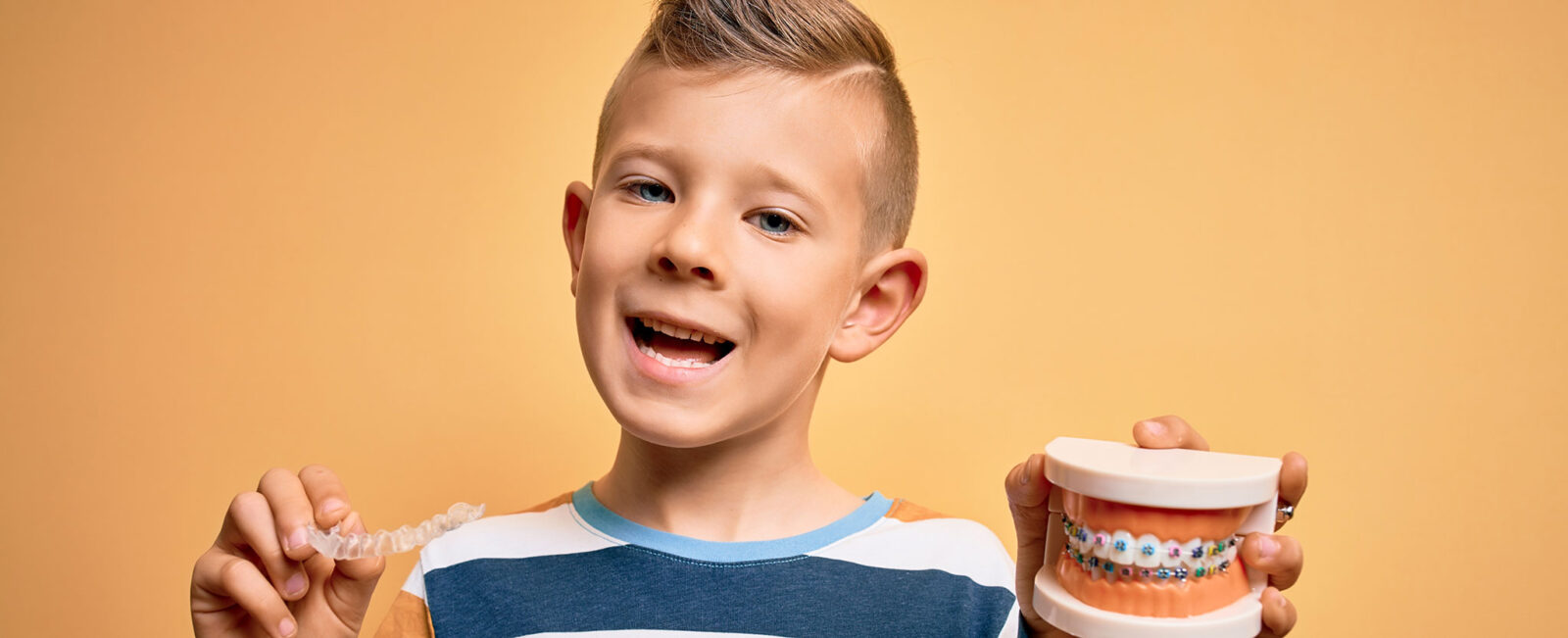
Parents often hear that children should have an orthodontic checkup around age seven, just as the first permanent molars and incisors begin to erupt. That advice can raise a practical question: does your child truly need early treatment now, or is careful observation the better approach until more permanent teeth appear? This article explains what interceptive orthodontics actually addresses during the mixed dentition years, which bite problems may benefit from early action, when patience can be worthwhile, and the tradeoffs to consider before starting Phase I care. Understanding these details can make your first evaluation more productive and help you make decisions with greater confidence.
-
What Early Orthodontic Treatment Actually Involves
Interceptive orthodontics focuses on guiding jaw growth and tooth eruption while a child still has a combination of primary and permanent teeth. At an initial visit, the orthodontic team may review a panoramic radiograph to check tooth development and eruption paths, a cephalometric X-ray to assess jaw relationships, and a digital intraoral scan or impressions to evaluate arch shape and crowding. Photos of the bite can help document crossbites, overjet, and midline shifts. Together, these records show whether there is enough arch length for canines and premolars that have not yet erupted and whether the bite could become more difficult to manage without guidance.
When treatment is recommended, the tools are usually limited and purposeful. Common interceptive appliances include a palatal expander to correct a narrow upper arch and posterior crossbite, a space maintainer to preserve room after early tooth loss, a habit appliance for thumb sucking, and short sections of braces on selected incisors or molars to align teeth that are blocking eruption paths. Families in North Dallas may begin with a consultation at practices such as Thrive Dental and Orthodontics to discuss whether these targeted steps could simplify later comprehensive treatment or prevent avoidable problems.
-
Problems That Benefit From Early Action
A posterior crossbite with a jaw shift is a classic problem that may benefit from early treatment. When the upper arch is too narrow, children may shift the lower jaw to one side to achieve a more comfortable bite, which can contribute to uneven growth over time. A palatal expander can widen the upper arch while the midpalatal suture is still responsive, helping eliminate the functional shift and potentially creating space for unerupted canines and premolars. Another early concern is a blocked tooth, such as a lateral incisor that cannot erupt properly because of crowding. Limited braces and careful archwire guidance can create space and reduce the chance of impaction.
Marked overjet, which is often seen in Class II bite patterns, can leave the front teeth more vulnerable to trauma during sports or everyday falls. Depending on growth and cooperation, early approaches such as headgear, functional appliances, or limited brackets may help reduce protrusion and risk. Panoramic images taken during mixed dentition can also reveal an impacted canine before it damages the roots of neighboring incisors. Early space creation and guidance may improve the likelihood of normal eruption. Open bites associated with thumb sucking or tongue thrusting may also benefit from habit appliances, appropriate oral muscle strategies, and support for stopping the habit.
-
When Observation Is Smarter Than Intervention
Not every crowding or spacing issue requires early appliances. Mild lower incisor crowding may improve as leeway space from primary molars becomes available when premolars erupt. A gap between the upper central incisors is common around ages seven to nine and often closes naturally as the lateral incisors and canines come in. If many primary teeth remain and the roots of permanent teeth are still developing, placing brackets and archwires too early may increase the total treatment time without providing a meaningful benefit. A child’s readiness to maintain good oral hygiene and follow appliance instructions also matters because poor brushing around braces can increase the risk of white spot lesions and gum inflammation.
Consider a realistic scenario. A nine-year-old presents with mild lower crowding and a gap between the upper central incisors but has no crossbite, no blocked eruption, and balanced jaw relationships on cephalometric analysis. The orthodontist recommends observation every six months, with updated bitewing or panoramic radiographs only when needed. As additional permanent teeth erupt over the next two years, the spacing improves naturally, and the teenager later completes a shorter course of aligner treatment with fewer attachments. By waiting, the family avoids an additional appliance phase and reduces the risk of enamel decalcification around brackets during the elementary school years.
-
The Tradeoffs to Weigh Before Starting Phase I
Early treatment can offer meaningful benefits, but it also comes with responsibilities. The total time spent in appliances across Phase I and later comprehensive care can be longer than a single, carefully timed Phase II treatment. Expanders may require regular key turns at home, and some children notice temporary changes in speech or chewing. Diet adjustments are also necessary to protect bands, brackets, and archwires, which may mean avoiding hard nuts, ice, sticky caramel, and other foods that can damage appliances. Oral hygiene becomes more demanding because floss threaders, interdental brushes, and fluoride toothpaste may be needed to clean effectively around brackets and molar bands. If plaque is not controlled, white spot lesions and gum inflammation can develop.
On the positive side, successful interceptive treatment may reduce the likelihood of extractions later, lower the risk of trauma to protruding incisors, and make future alignment more straightforward. However, families should understand that Phase I does not guarantee that full orthodontic treatment will be unnecessary later. Many children still require aligners or full braces after all permanent teeth have erupted. Retention is also important. After Phase I, a holding arch, Essix retainer, or Hawley retainer may preserve space and alignment until growth and eruption progress further. Following instructions for elastics, retainers, and habit control remains important for protecting the improvements achieved during early treatment.
-
Preparing for a Useful Early Ortho Evaluation
Before the appointment, write down details about thumb sucking, mouth breathing, snoring, speech concerns, and any history of dental trauma. Bring recent dental records so the orthodontist can review cavity history, sealants on the first permanent molars, and the timing of the most recent panoramic radiograph. Ask specific questions about which tooth or jaw relationship is the priority, which appliance is being recommended, how long it will remain active, how it may influence the eruption sequence, and how frequently adjustment visits will be required. Clarify oral hygiene expectations, including whether tools such as water flossers or interdental brushes may be useful, as well as any considerations related to sports or playing wind instruments while wearing an expander or braces.
Two brief examples illustrate the range of possible outcomes. An eight-year-old with a unilateral posterior crossbite and a lower jaw shift completes palatal expansion over several months, followed by a short period of limited braces to align blocked incisors. The shift disappears, arch width improves, and later comprehensive treatment may become more straightforward. In contrast, a seven-year-old with spacing and an upper midline gap but no skeletal concerns is observed. As the canines descend, the gap closes naturally, oral hygiene remains simple, and any future alignment is postponed until the teenage years. In both situations, the early checkup provides useful clarity, either supporting prompt treatment or confirming that careful observation is appropriate.
Choosing the Right Time for Orthodontic Care
Early orthodontic evaluations are less about placing every child in braces and more about choosing the right timing for the right problem. Understanding how panoramic and cephalometric images guide decisions, which appliances address particular concerns, and where the practical tradeoffs lie can make the family’s decision easier. A thoughtful plan may address a developing crossbite or blocked eruption early, or it may confirm that careful observation can lead to a simpler and shorter treatment process later. Either way, informed timing can support healthy jaw development and help permanent teeth move into more favorable positions.