

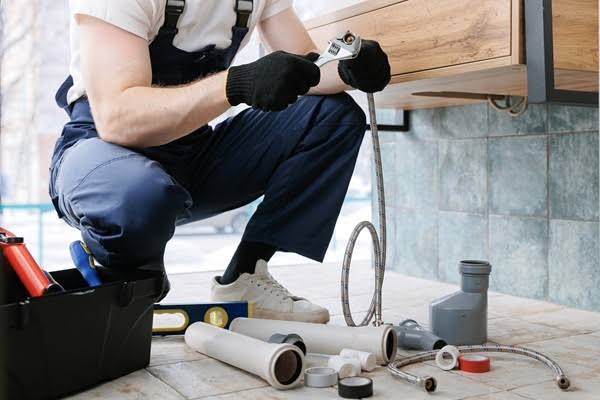
A reliable plumbing system should provide consistent water delivery throughout a property without creating unnecessary stress on pipes, fixtures, valves, appliances, or other connected components. Water must travel through a network of supply lines and plumbing controls before reaching faucets, showers, toilets, washing machines, water heaters, and other points of use, which means the condition of one component can sometimes influence the performance of another. When the system operates normally, property owners may not give much thought to how water reaches each fixture. However, noticeable changes such as weak showers, slow faucets, noisy pipes, dripping fixtures, inconsistent flow, or sudden differences between fixtures can indicate that the plumbing system needs attention. These symptoms can develop for many reasons, including clogged aerators, aging pipes, partially closed valves, leaks, mineral accumulation, or problems with pressure-regulating equipment. Understanding the causes of these changes and responding to them through proper diagnosis can help property owners protect their plumbing infrastructure while maintaining convenient and dependable water service.
Why Balanced Water Delivery Matters
The amount of force moving water through a plumbing network has an important influence on how fixtures perform. If the force is too low, faucets and showers may not provide adequate flow, appliances may take longer to fill, and multiple fixtures may struggle to operate effectively at the same time. If the force is too high, the increased stress can affect valves, seals, fittings, supply lines, water heaters, and other plumbing components. These conditions can gradually increase wear even when the property does not experience an immediate failure. For this reason, homeowners should consider changes in normal water delivery as useful information about the condition of their plumbing system rather than simply treating them as inconveniences.The plumbing network should be evaluated as a complete system because water delivery depends on multiple interconnected components. A problem at one faucet may be caused by a clogged aerator or worn cartridge, while weak flow throughout the property may indicate a restriction in the supply piping or a problem with regulating equipment. Similarly, a sudden change in flow may be associated with a hidden leak or partially closed valve. Understanding the pattern of the symptoms can help narrow down the possible causes and prevent property owners from spending money replacing fixtures that are not responsible for the underlying issue.
Recognizing Changes in Normal Flow
Homeowners are often the first people to notice when plumbing performance changes because they use the fixtures regularly. A shower that suddenly feels weaker, a faucet that produces less water than it previously did, or a toilet that takes unusually long to refill can all be signs that something has changed. These symptoms may develop gradually, making them easy to overlook. However, when a fixture consistently performs differently from normal, the change deserves attention, particularly if several fixtures begin showing similar behavior.Changes in water delivery can also appear alongside other warning signs. Persistent dripping, unusual pipe noises, moisture around connections, unexpected increases in water usage, or inconsistent performance between different areas of the property can provide additional clues. None of these symptoms automatically identifies one specific cause because plumbing systems are complex and conditions can vary. Professional assessment can help determine whether the issue is localized or whether a broader section of the system is affected. Early diagnosis can make it easier to address developing concerns before they result in more extensive repairs.
Common Causes of Low Flow
Reduced flow can result from several different plumbing conditions, and the correct solution depends on where the restriction occurs. Mineral deposits can build up inside faucet aerators, cartridges, valves, and pipes, gradually reducing the space available for water to pass through. Sediment may also accumulate in certain parts of the system, especially when water conditions encourage deposits. A partially closed shutoff valve can create similar symptoms, while an obstructed fixture may affect only one point of use.Aging supply pipes can be another important factor. Certain types of older piping can develop internal corrosion or mineral accumulation that reduces their effective diameter. As the available passage becomes smaller, water may not reach fixtures as efficiently as it once did. This process can occur internally, meaning that the outside of the pipe may look relatively normal even though the inside has deteriorated. If several fixtures are experiencing reduced flow, professional inspection can help determine whether aging or restricted piping is contributing to the problem and whether targeted repair or broader replacement should be considered.
Problems Associated With Excessive Flow
Excessive force within the plumbing system can create a different set of concerns. When pipes and fixtures are subjected to conditions beyond what their components are designed to handle, seals, valves, connections, and appliances may experience increased stress. A property owner may notice dripping faucets, recurring leaks, noisy pipes, or premature failures of plumbing components. These problems can sometimes appear unrelated, particularly when they occur in different areas of the property, but recurring failures may justify a broader system evaluation.Excessive force can also affect the longevity of water heaters and connected appliances. Components that repeatedly experience higher operating stress may require service more frequently than expected. If a property has a history of recurring leaks or fixture failures, it may be useful to investigate the operating conditions rather than continuing to replace individual parts. Identifying the underlying cause can help property owners reduce unnecessary repairs and protect the plumbing system more effectively over the long term.
The Importance of Pressure-Regulating Components
Many plumbing systems use equipment designed to manage incoming water conditions and maintain suitable operation throughout the property. These components can become worn or malfunction over time, potentially causing changes in water delivery to multiple fixtures. A regulator that is not operating correctly may contribute to inconsistent flow or excessive force, depending on the nature of the problem. Because these components influence the wider plumbing system, they should be evaluated carefully rather than adjusted without understanding the rest of the network.A professional can test the system and determine whether regulating equipment is functioning appropriately. If a regulator requires adjustment or replacement, the surrounding pipes, valves, and connections can also be evaluated to make sure they are in suitable condition. This broader approach is useful because correcting one component may not solve the problem if another part of the system is contributing to the symptoms. Proper diagnosis can help ensure that repairs address the underlying condition instead of providing only temporary improvement.
How Leaks Can Influence Water Performance
A plumbing leak can affect both water conservation and fixture performance. A hidden leak may allow water to escape from a pipe beneath a floor, behind a wall, inside a ceiling, or in another concealed area. Because the escaping water is not always visible, property owners may first notice indirect signs such as unexplained water usage, dampness, staining, musty odors, or a change in fixture performance. In some cases, a leak can continue for a significant period before its location becomes obvious.When a leak is suspected, professional investigation can help identify its source and determine the appropriate repair. Addressing the visible moisture alone may not resolve the issue if water continues escaping from a concealed pipe or connection. Continued leakage can also expose building materials to moisture and potentially increase the scope of the eventual repair. Prompt attention therefore serves two purposes: restoring proper plumbing performance and reducing the possibility of additional property damage.
Pipes and Long-Term Water Delivery
The condition of supply pipes has a major influence on how efficiently water moves throughout a property. Pipes need to maintain an adequate internal passage, secure connections, and appropriate routing to support reliable service. Corrosion, mineral buildup, deterioration, improper modifications, or damaged sections can all interfere with this process. When the plumbing network is old, repeated symptoms may indicate that the piping itself deserves closer evaluation.Replacement is not automatically necessary whenever flow declines because localized repairs can resolve many plumbing problems. However, when several sections of the system are deteriorating or repeated repairs are required, property owners may benefit from discussing broader options with a qualified professional. A comprehensive evaluation can determine whether the problem is limited to a few vulnerable sections or whether the overall supply network would benefit from replacement. This distinction helps property owners make decisions based on actual system conditions rather than relying only on the age of the property.
Protecting Fixtures and Appliances
Every fixture connected to the plumbing system depends on appropriate operating conditions. Faucets, showers, toilets, washing machines, dishwashers, water heaters, and other appliances can all be affected by changes in flow. Excessive force may contribute to premature wear, while insufficient flow may interfere with normal operation. If multiple fixtures begin developing problems within a relatively short period, property owners should consider whether there is a common cause.Maintaining fixtures regularly can make these patterns easier to identify. Homeowners should pay attention to changes in handle movement, flow strength, dripping, unusual noises, or filling times. A fixture that has gradually become less efficient may need cleaning or repair, but recurring problems may warrant a broader plumbing evaluation. Keeping individual fixtures in good condition also reduces the number of localized problems that can be confused with system-wide concerns.
Professional Testing and Diagnosis
Accurate testing is one of the most important parts of investigating plumbing flow problems because symptoms alone do not always reveal the source. A professional can evaluate conditions at appropriate points in the system and compare performance under different usage situations. For example, a property may have acceptable flow when one faucet is operating but experience a significant decline when several fixtures are used simultaneously. This type of pattern can provide useful information about supply limitations, restrictions, or other system conditions.Professional water pressure service can also help identify whether a problem is associated with a regulator, supply pipe, valve, leak, or individual fixture. Rather than replacing components based solely on assumptions, a technician can use testing and inspection to determine what is actually affecting performance. This can reduce unnecessary work and help property owners focus on repairs that address the underlying condition. Proper diagnosis is especially valuable when previous repairs have provided only temporary results.
Preventive Plumbing Maintenance
Routine plumbing maintenance can help property owners identify developing problems before they become major failures. Accessible pipes, valves, fixture connections, and other components should be observed periodically for corrosion, staining, moisture, or visible deterioration. Homeowners should also pay attention to changes in normal water delivery and investigate unusual symptoms rather than allowing them to continue indefinitely. Small changes can sometimes provide an early indication of a larger developing problem.Professional inspections can provide additional value for aging properties or plumbing systems with a history of repeated repairs. A technician can evaluate accessible components, identify areas of concern, and recommend additional investigation when appropriate. Maintaining records of previous repairs, pipe replacements, fixture upgrades, leaks, and other service work can also help technicians understand the property’s plumbing history. This information can make future troubleshooting more efficient and support better long-term planning.
Planning Plumbing Improvements
Long-term planning allows property owners to address plumbing concerns before they become unexpected emergencies. If an inspection identifies deteriorating pipes, outdated valves, recurring leaks, or components approaching the end of their useful service life, homeowners may have an opportunity to schedule improvements according to priority. This can provide more control over the timing and cost of future work while reducing the disruption associated with emergency plumbing failures.Planning is particularly useful when repairs may require access to walls, ceilings, floors, cabinets, or other finished areas. If a renovation is already planned, evaluating the plumbing beforehand may reveal opportunities to replace aging components while access is available. Coordinating related work can reduce the need to reopen the same areas multiple times and may create a more organized plumbing system. A professional can help determine which improvements are necessary immediately and which can be incorporated into a future maintenance strategy.
When Recurring Problems Require Broader Evaluation
One isolated plumbing problem does not necessarily indicate a major system failure. However, repeated issues deserve closer attention when they occur in different areas or continue returning after repairs. Multiple leaking fixtures, recurring weak flow, frequent valve problems, unexplained changes in water usage, or unusual pipe noises may suggest that the plumbing network has an underlying condition that should be investigated.A professional evaluation can help property owners understand whether continued repairs are practical or whether broader improvements should be considered. In some cases, a targeted repair may resolve the problem completely. In others, aging infrastructure or widespread deterioration may make replacement of certain sections a more practical long-term option. The appropriate decision depends on the condition of the system, the age and type of materials, the property’s water demands, and the history of previous plumbing work.
Conclusion
Reliable plumbing performance depends on maintaining suitable operating conditions throughout the entire water supply network. Changes in flow can originate from clogged fixtures, aging pipes, leaks, valves, regulating equipment, mineral deposits, or other plumbing conditions, which makes accurate diagnosis important before major work is undertaken. Both unusually weak and unusually strong flows can create problems when they continue over time, potentially affecting fixtures, appliances, connections, and the plumbing infrastructure itself. A proactive approach to maintenance can help property owners protect their plumbing investment and reduce unexpected disruptions. Regular inspections, prompt attention to unusual symptoms, professional testing, appropriate repairs, and thoughtful planning can all contribute to more consistent performance. When recurring problems suggest that the existing system may have broader limitations, a professional assessment can help determine whether targeted repairs or larger improvements are appropriate. By treating water delivery as part of an interconnected plumbing network rather than focusing only on individual fixtures, property owners can support efficient operation, reduce unnecessary wear, and maintain more dependable water pressure for the future.