

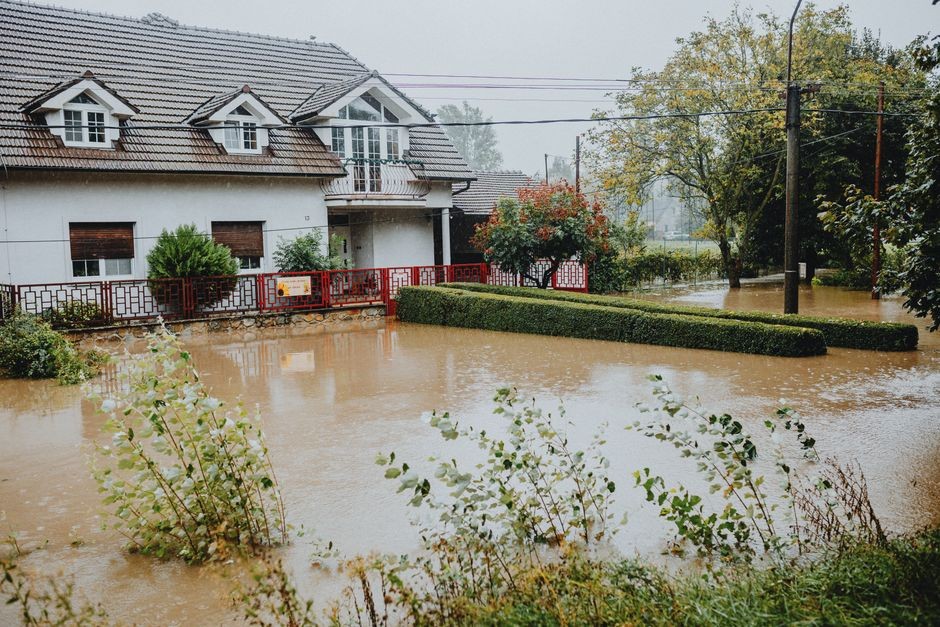
A flooded home can turn normal life into a cleanup marathon in a matter of minutes. Whether water comes from a storm, a burst pipe, or a backed-up drain, the first few hours matter more than most people realize. You’re not just dealing with puddles and soggy rugs. You’re dealing with safety risks, hidden moisture, and the very real chance of long-term damage if you move too slowly or skip steps.
Figure out where the water came from
Not all flooding is equal, and your next steps depend on the source. Clean water from a supply line is very different from water that entered through a drain, toilet, or outdoor flooding.
Floodwater usually falls into three broad categories:
– Clean water from broken pipes or appliance leaks
– Gray water from washing machines, dishwashers, or sump failures
– Black water from sewage backups or outside floodwater
That distinction matters for cleanup, disposal, and insurance documentation. A soaked carpet from a pipe leak might be salvageable. A carpet hit by contaminated water usually belongs in the discard pile.
If you’re dealing with serious flood damage, professional cleanup may be necessary because hidden moisture in subfloors, drywall, and insulation can linger long after the visible water is gone.
Start with safety before you touch anything
Your first instinct might be to grab towels, a mop, and a trash bag. Pause for a second. Standing water can hide electrical hazards, sharp debris, and contamination.
Before entering, check for:
– Sagging ceilings or warped floors
– A strong gas smell
– Exposed wires or submerged outlets
– Dirty or cloudy water that may contain sewage
If the water is near electrical systems, shut off power only if you can do it safely. If not, call the utility company or an electrician.
Wear rubber boots, gloves, and a mask if the space smells musty or the water looks questionable. Flood cleanup is not the time to dress like you’re taking out the recycling. If the source is sewage or storm runoff, treat it as hazardous from the start.
Document everything before the cleanup gets aggressive
It’s tempting to start ripping out wet drywall right away. First, document the scene thoroughly. Insurance claims move a lot smoother when you can show exactly what happened and what was affected.
Take clear photos and videos of:
– Every room with water intrusion
– Damaged furniture, electronics, and personal items
– Water lines on walls
– Flooring, baseboards, and cabinets
– The source of the leak or flooding, if visible
Make a written list of damaged belongings with estimated values and purchase dates if you know them. Save receipts for emergency supplies, hotel stays, fans, and cleanup equipment.
Keep damaged items until your insurer says you can dispose of them, unless they create a health hazard. It’s annoying, yes. It also saves arguments later.
Remove standing water and wet materials fast
Once the area is safe and documented, speed matters. Mold can begin growing within 24 to 48 hours, and moisture loves to sneak into places you can’t see.
Start by removing standing water with:
– A wet/dry vacuum
– A sump pump
– Buckets and mops for smaller areas
Then pull out wet items that trap moisture, including:
– Rugs and carpet pads
– Upholstered furniture
– Wet cardboard boxes
– Bedding, curtains, and clothing
Move salvageable items to a dry, ventilated area. If hardwood floors are soaked, don’t assume they’re ruined, but don’t assume they’re fine either. Wood can cup, buckle, and hold moisture below the surface.
Open windows if outdoor humidity is low. Use fans and dehumidifiers as soon as possible. Airflow is your best friend here, even if your house starts sounding like a small airport.
Drying is the real job, not just cleanup
A room can look dry and still hold enough moisture to create mold, warped materials, and lingering odors. Surface drying is only part of the process.
Pay close attention to:
– Drywall that feels soft or swollen
– Baseboards and trim
– Insulation behind walls
– Cabinets and vanities
– Subflooring beneath tile, laminate, or wood
Use moisture meters if you have access to them. They give a more accurate picture than your hand or your best guess. If you don’t, watch for persistent damp smells, discoloration, or materials that stay cool and clammy.
You may need to remove sections of drywall several inches above the water line to allow proper drying inside the wall cavity. It sounds dramatic, but hidden moisture is sneaky and expensive when ignored.
Know when cleanup becomes a restoration project
A lot of people can handle a minor water incident. Flooding that affects multiple rooms, contaminated water, or moisture trapped in structural materials is a different story.
Professional help makes sense when:
– Water sat for more than a day
– Sewage or outdoor floodwater is involved
– Drywall, insulation, or framing is wet
– You notice mold growth or a strong musty smell
– The HVAC system was exposed
Restoration teams usually bring industrial dryers, dehumidifiers, moisture detection tools, and sanitizing treatments. They also know where water tends to hide, which is half the battle.
This isn’t about panic. It’s about knowing when the situation has moved past “messy inconvenience” and into “serious property issue.” Homes are surprisingly good at concealing problems until the repair bill shows up.
Protect your health during and after the flood
Flooding affects more than walls and floors. It can affect the air you breathe and the surfaces you touch every day.
Contaminated water may leave behind bacteria, chemicals, and allergens. Even clean water can lead to mold if drying is delayed. Kids, older adults, and anyone with asthma or allergies may feel the effects first.
To reduce health risks:
– Wash hands often during cleanup
– Disinfect hard surfaces properly
– Avoid using ceiling fans if the ceiling is wet
– Throw out food touched by floodwater
– Replace porous materials that can’t be sanitized
If you smell mold but can’t see it, don’t shrug it off. Mold often grows behind walls, under flooring, or inside cabinets. A room that smells like a damp basement is usually telling you something.
Take a smarter approach to prevention next time
After the cleanup, you’ll probably never look at a floor drain the same way again. That’s not paranoia. That’s experience.
A few practical upgrades can lower your risk of repeat flooding:
– Install a sump pump with battery backup
– Seal foundation cracks
– Clean gutters and extend downspouts away from the house
– Insulate pipes in cold areas
– Know where your main water shutoff valve is
– Store valuables off the floor in basements
Review your insurance policy too. Many homeowners discover after a flood that water damage coverage has fine print sharp enough to bite. Ask what’s covered, what isn’t, and whether separate flood insurance makes sense in your area.
Flood recovery is stressful, expensive, and exhausting. Still, a clear plan helps you make better choices under pressure. If you act quickly, document carefully, and take moisture seriously, you give your home a much better shot at a full recovery.