

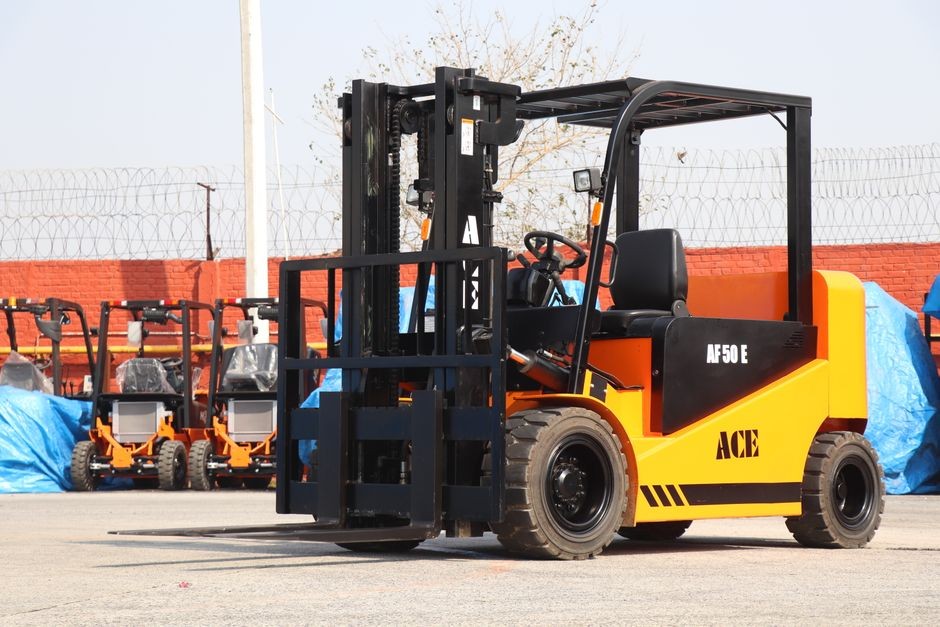
Warehouses are built around movement. Products arrive, inventory is organized, orders are picked, and shipments leave on tight schedules. Every step depends on equipment performing reliably throughout the day. Forklifts, pallet jacks, conveyors, truck-mounted forklifts, and loading equipment all play critical roles in keeping operations productive. When one machine breaks down unexpectedly, the effects can spread across the entire warehouse. Preventive maintenance is more than a repair strategy—it is an investment in productivity, safety, and long-term operational success. Businesses that prioritize equipment care often experience fewer disruptions, lower repair costs, and stronger overall performance.
Specialized Equipment Requires Specialized Maintenance
Not every warehouse relies on standard forklifts alone. Many operations that handle deliveries across construction sites, lumber yards, agricultural facilities, and outdoor storage areas also depend on truck-mounted forklifts, commonly known as Moffett forklifts. These machines are designed to travel with delivery trucks, allowing operators to load and unload materials without relying on customer-owned equipment. Because they work in demanding environments, regular maintenance becomes especially important. Using reliable Moffett parts during scheduled servicing helps keep these forklifts operating safely while reducing unnecessary downtime.
Replacing worn hydraulic components, filters, seals, switches, or steering parts before they fail helps extend equipment life while keeping daily operations running smoothly. Preventive maintenance is almost always less disruptive than emergency repairs after an unexpected breakdown.
Downtime Is More Expensive Than Most Businesses Realize
Equipment failures affect much more than repair invoices.
A single forklift breakdown may delay unloading, interrupt picking operations, postpone deliveries, and force employees to reorganize workloads throughout the warehouse. These disruptions reduce productivity while increasing labor costs and customer frustration.
Unexpected downtime also creates scheduling challenges.
Drivers wait longer at loading docks. Orders miss shipping deadlines. Warehouse managers spend valuable time rearranging operations instead of focusing on inventory, staffing, or customer service.
The financial impact often extends far beyond replacing a damaged component.
Businesses that measure only repair costs may overlook lost productivity, delayed shipments, overtime expenses, and customer dissatisfaction that accompany equipment failures.
Preventive maintenance reduces these risks by identifying developing issues before they interrupt operations.
Daily Inspections Prevent Bigger Problems
Not every maintenance task requires specialized technicians.
Operators play an important role by conducting simple inspections before equipment enters service each day.
Routine checks should include tires, forks, hydraulic hoses, fluid levels, warning lights, steering response, brakes, and visible leaks. Even small abnormalities deserve attention because minor concerns frequently develop into major repairs if ignored.
Encouraging employees to report unusual noises, slower hydraulic performance, or warning indicators creates opportunities to address problems early.
Documentation also matters.
Inspection records help maintenance teams identify recurring issues while supporting compliance with workplace safety requirements.
A few minutes spent inspecting equipment each morning often prevents hours—or days—of unexpected downtime later.
Consistency makes routine inspections valuable.
Clean Equipment Performs Better
Warehouses generate more dirt and debris than many people realize.
Dust, shrink wrap fragments, wooden pallet debris, packaging materials, and accumulated grease gradually affect equipment performance over time.
Keeping machinery clean provides benefits beyond appearance.
Clean equipment allows technicians to identify leaks more easily while reducing contamination around moving components. Removing accumulated debris also improves cooling efficiency and lowers unnecessary strain on mechanical systems.
Operator compartments deserve attention as well.
Clean controls, unobstructed visibility, and properly maintained seating contribute to both comfort and workplace safety during long operating shifts.
Good housekeeping supports good maintenance.
A cleaner warehouse generally creates healthier equipment.
Maintenance Improves Workplace Safety
Equipment reliability directly affects employee safety.
Worn brakes, damaged tires, hydraulic leaks, steering problems, or malfunctioning warning systems increase the likelihood of workplace accidents involving both operators and nearby employees.
Preventive maintenance helps reduce these risks by ensuring equipment remains in safe operating condition.
Maintenance programs should include scheduled inspections, manufacturer-recommended servicing, prompt repairs, and verification that safety features function correctly before equipment returns to service.
Employee training is equally important.
Operators who understand proper equipment use place less unnecessary stress on machinery while recognizing warning signs requiring immediate attention.
Safe equipment protects both people and productivity.
Strong maintenance programs support both objectives simultaneously.
Inventory Management Includes Spare Parts
Many warehouses carefully manage customer inventory.
Some overlook maintenance inventory.
Keeping commonly used replacement parts available allows maintenance teams to complete repairs much faster without waiting for emergency shipments. High-wear components, filters, hydraulic seals, belts, electrical switches, and other frequently replaced items often deserve dedicated inventory planning.
Strategic spare parts management also reduces pressure during unexpected breakdowns.
Instead of delaying repairs while locating compatible components, technicians can respond immediately using available stock.
Inventory decisions should reflect equipment usage, operating conditions, maintenance history, and manufacturer recommendations.
Planning replacement parts proactively supports smoother warehouse operations while minimizing unnecessary downtime caused by unavailable components.
Preparation frequently determines how quickly businesses recover from equipment issues.
Technology Makes Maintenance More Predictable
Warehouse maintenance has become increasingly data-driven.
Modern equipment often includes onboard diagnostics that monitor performance while identifying developing mechanical concerns before failures occur.
Maintenance software also helps businesses schedule inspections, track service history, organize work orders, and monitor replacement intervals for critical components.
These digital tools improve planning while reducing missed maintenance activities that previously depended on paper records or memory.
Performance data can reveal trends as well.
Repeated repairs involving the same equipment may indicate underlying operational issues requiring broader attention rather than repeated component replacement.
Technology doesn’t eliminate maintenance responsibilities.
It simply helps businesses perform them more effectively.
Better information leads to better maintenance decisions.
Strong Maintenance Supports Long-Term Warehouse Success
Equipment maintenance is sometimes viewed as a necessary expense.
Successful warehouse operators recognize it as a competitive advantage.
Reliable machinery improves productivity, strengthens workplace safety, reduces operating costs, supports customer satisfaction, and extends equipment lifespan. Every scheduled inspection, properly completed repair, and proactive replacement contributes to smoother daily operations.
Warehouses rarely achieve consistent performance through emergency repairs alone.
Instead, long-term success comes from building maintenance into everyday operations rather than treating it as an afterthought.
As supply chains continue demanding faster deliveries and greater efficiency, dependable equipment becomes increasingly valuable. Businesses that invest in preventive maintenance today place themselves in a stronger position to meet customer expectations while controlling costs and minimizing operational disruptions.
Well-maintained equipment does more than keep products moving. It helps warehouses remain productive, reliable, and prepared for continued growth.