

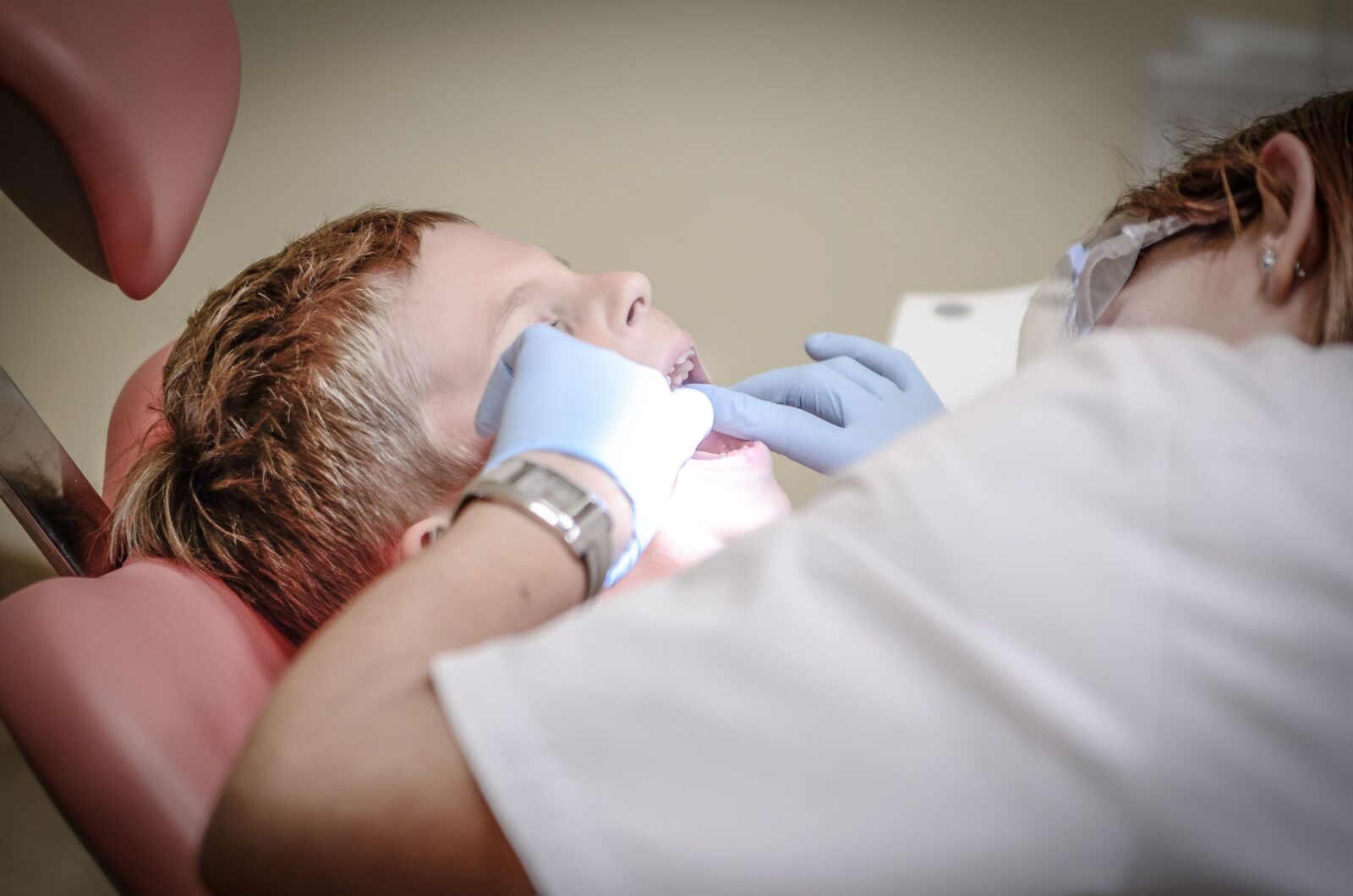
If you’ve ever heard a strange scraping sound coming from your child’s room at night, you’re not imagining things. Teeth grinding in kids is more common than many parents expect, and factors like packed schedules, stress, and changing routines can sometimes affect sleep. Knowing what’s normal, what’s not, and when to act can save you a lot of worry.
What teeth grinding in kids actually looks like
Teeth grinding, also called bruxism, often happens during sleep, though some kids clench their teeth when they’re awake too. You might notice a harsh grinding noise at night, complaints about a sore jaw in the morning, or teeth that seem flatter than before.
Some children do it occasionally and grow out of it without any issues. Others grind often enough to cause wear, headaches, or disrupted sleep. It’s not always dramatic, either. A child may not mention pain at all.
Common signs include:
– Grinding sounds during sleep
– Jaw soreness or tightness
– Morning headaches
– Tooth sensitivity
– Chipped or worn teeth
– Trouble sleeping well
In short, it can range from a harmless habit to something that needs a closer look.
How dentists evaluate teeth grinding
A dental visit usually starts with a basic exam and a few practical questions. The dentist may ask when the grinding happens, how often you hear it, whether your child has headaches, and if there have been changes in sleep, mood, or stress.
During the exam, they’ll look for worn enamel, bite issues, jaw tenderness, and damage to baby or permanent teeth. In some cases, a child may need follow-up with a pediatrician or sleep specialist if symptoms suggest breathing or sleep disorders.
If you’re looking into pediatric teeth grinding, it helps to think of it as a dental and sleep-related issue, not just a quirky habit. A solid evaluation focuses on what’s happening in the mouth and what may be driving it behind the scenes.
Why kids grind their teeth
There isn’t one neat answer, which is a little annoying but very real. Teeth grinding in children can be connected to stress, anxiety, misaligned teeth, sleep issues, or even normal developmental changes as baby teeth fall out and adult teeth come in.
A child who feels pressure at school, struggles with bedtime, or has an irregular sleep schedule may be more likely to grind. Some kids also clench when concentrating, playing video games, or dealing with frustration.
Other possible factors include:
– Nasal congestion or mouth breathing
– Sleep apnea or restless sleep
– Hyperactivity
– Certain medications
– Jaw alignment issues
Sometimes there’s no obvious cause at all. That can make it tricky, but not impossible, to manage. You’re often looking for patterns rather than one smoking gun.
When it’s probably harmless and when it’s not
A lot of kids grind their teeth for a short phase and stop on their own. If your child isn’t in pain, sleeps well, and shows no signs of tooth damage, a dentist may simply monitor it over time.
The situation changes when symptoms start stacking up. Frequent headaches, visible enamel wear, jaw pain, or poor sleep deserve attention. If the grinding is loud enough to wake siblings through a wall, your home has unofficially entered the night shift.
Pay closer attention if your child has:
– Pain when chewing
– Cracks or flattening on teeth
– Ongoing fatigue during the day
– Ear pain without infection
– Snoring or gasping during sleep
Those signs can point to dental damage or an underlying sleep problem rather than a passing habit.
What you can do at home to help
Home care matters more than people think. You can’t usually tell a sleeping child to knock it off, so the goal is to reduce triggers and support better sleep.
Start with routine. Kids tend to sleep better when bedtime and wake-up time stay consistent, even on weekends. A calmer evening helps too. That means less screen time right before bed, fewer chaotic transitions, and a setup that feels predictable.
Helpful strategies include:
– Keep a regular sleep schedule
– Limit screens 30 to 60 minutes before bed
– Offer water and avoid too much sugar at night
– Use quiet bedtime activities like reading
– Notice stress around school, sports, or social issues
– Mention jaw pain or headaches to the dentist promptly
You don’t need a perfect wellness laboratory at home. Small changes done consistently usually beat big dramatic fixes.
Treatment options a dentist may suggest
Treatment depends on the cause, the child’s age, and whether damage is happening. In mild cases, monitoring may be enough. If stress appears to be a trigger, your child may benefit from relaxation techniques, counseling support, or changes to daily routine.
When teeth are wearing down or the jaw is sore, a dentist may discuss a night guard. Not every child is a candidate, especially younger kids whose mouths are still changing fast. Fit matters, timing matters, and random store-bought gear rarely deserves hero status.
A care plan may include:
– Observation over time
– Custom dental appliances in selected cases
– Referral for sleep evaluation
– Managing nasal blockage or mouth breathing
– Stress-reduction support
The best plans are practical. They deal with symptoms while also addressing whatever is feeding the grinding in the first place.
Real-world factors parents often miss
Teeth grinding doesn’t happen in a vacuum. Kids today juggle early school start times, packed extracurricular schedules, social pressure, and plenty of screen exposure. Even children who seem fine during the day may carry tension into sleep.
Another overlooked factor is growth. A child’s bite can change quickly as teeth move and jaws develop. What looked minor six months ago may need reevaluation later. That’s one reason regular dental checkups matter so much.
It also helps to separate internet panic from actual risk. One rough night of grinding doesn’t automatically mean damage. On the other hand, months of symptoms shouldn’t get brushed off just because “kids do that sometimes.”
You’re aiming for a balanced response: observe carefully, document patterns, and bring up concerns before a small issue turns into a repair bill with attitude.
What to remember moving forward
If your child grinds their teeth, you don’t need to assume the worst. Many kids outgrow it, and plenty of cases stay mild. What matters is noticing frequency, symptoms, and any signs that sleep or dental health are taking a hit.
Keep track of what you hear and what your child feels. Mention headaches, jaw pain, snoring, sensitivity, or visible tooth wear at the next dental visit, or sooner if symptoms seem persistent.
The smartest approach is simple:
– Watch for patterns
– Support better sleep
– Reduce evening stress where possible
– Get a professional opinion when symptoms build
A little attention now can protect your child’s smile, sleep, and comfort later. That’s a pretty good trade.