

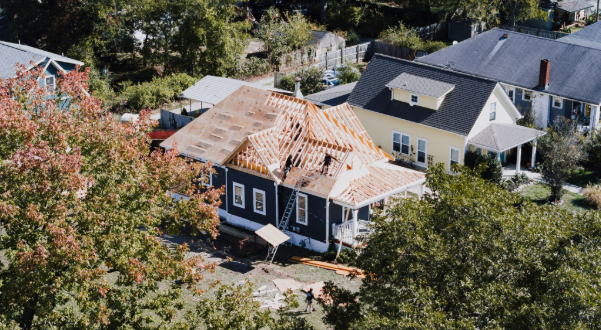
A new roof can make a home easier to sell, but the value does not come from having “new shingles” alone. Buyers care about whether the roof removes a near-term expense, reduces uncertainty during inspection, and fits the condition of the rest of the property. For homeowners considering Charlotte roofing work before a sale, upgrading an aging roof can make sense when the existing system is already likely to raise questions with buyers or inspectors. The strongest return usually comes from correcting a clear weakness, documenting the work, and choosing materials that make sense for the home rather than paying for upgrades buyers may not value.
A New Roof Removes One of the Biggest Buyer Objections
An aging roof can become a negotiation point even when it is not actively leaking. Buyers may worry about replacement cost, storm history, insurance concerns, or whether an inspection will uncover hidden decking or flashing problems. For Charlotte roofing homeowners, replacing a clearly worn roof before listing can remove that uncertainty and make the property easier to evaluate. The benefit is strongest when the existing shingles are brittle, repairs are becoming frequent, or the roof is already approaching the point where buyers are likely to budget for replacement. A newer roof gives them one less major project to plan immediately after closing.
Condition Matters More Than Roof Age Alone
Homeowners should not replace a roof solely because it has reached a certain age. A Charlotte roofing system with sound flashing, flexible shingles, dry decking, and only localized wear may still have useful life left. In that case, targeted repairs and clear maintenance records may be more economical than full replacement before selling. The calculation changes when multiple slopes show heavy granule loss, several leaks have been repaired, flashing is deteriorating, or storm damage is widespread. Buyers and inspectors respond to actual condition, so the decision should be based on what the roof is likely to reveal during due diligence rather than a simple age threshold.
Inspection Findings Can Affect Negotiations Quickly
A buyer’s roof inspection can change the tone of a sale. Missing shingles, active leaks, soft decking, failed flashing, or widespread storm damage can lead to repair requests, price reductions, closing credits, or demands for replacement before closing. Charlotte roofing homeowners preparing to sell should consider having the roof assessed before listing so they know what a buyer may discover. That gives the seller time to decide whether to repair, replace, or price the home accordingly instead of making decisions under a closing deadline. Documentation showing completed work can also help distinguish a properly maintained roof from one that merely looks acceptable from the ground.
Curb Appeal Helps, but Material Choice Still Needs to Be Practical
A clean, consistent roof can improve how a home looks from the street, especially when the previous roof had staining, patchwork, missing shingles, or mismatched repairs. But Charlotte roofing replacement should not become an expensive design project just because the home will be listed. Neutral architectural shingles that fit the brick, siding, and trim usually make more sense than highly specific colors or premium profiles with limited resale benefit. Buyers are more likely to value a roof that looks appropriate, has a clear warranty, and performs well in local weather than one with an expensive cosmetic upgrade they did not choose.
Local Weather Performance Adds Real Buyer Value
Charlotte homes deal with summer heat, humidity, heavy thunderstorms, wind-driven rain, and occasional hail. A new Charlotte roofing system can be more attractive to buyers when it addresses those practical conditions rather than simply replacing old shingles with similar materials. That means sound flashing, proper underlayment, good drainage, balanced attic ventilation, and materials with appropriate wind and impact performance. These details may not be obvious in listing photos, but they matter during inspection and ownership. If replacement is already necessary, correcting weak roof-to-wall transitions or ventilation issues can provide more real value than spending the same budget on a higher-end shingle color.
Documentation Makes the New Roof More Valuable
A new roof is easier for a buyer to trust when the paperwork is complete. Charlotte roofing homeowners should keep the final invoice, installation date, product information, workmanship warranty, manufacturer warranty, permit records where applicable, and photos of completed work. If warranty coverage can transfer to a new owner, confirm the process before listing the home. This information reduces ambiguity and gives buyers evidence that the work was completed properly. A seller who can show exactly what was installed and when is in a stronger position than one who can only say the roof was “recently replaced.”
Fix the Hidden Parts While the Roof Is Being Replaced
If replacement is happening before a sale, do not focus only on the visible shingles. Tear-off provides an opportunity to identify damaged decking, aging flashing, blocked ventilation, and previous moisture problems. For Charlotte roofing projects, correcting these issues during replacement can prevent an inspector from finding weaknesses underneath a roof that is technically new. Homeowners should ask how damaged decking will be handled, which flashing will be replaced, and whether attic ventilation is being reviewed. A new roof that covers unresolved problems may create little resale advantage once those problems appear in the inspection report.
Do Not Expect Every Roofing Dollar Back at Closing
Roof replacement can strengthen a home’s market position without producing a dollar-for-dollar increase in sale price. The value often comes from avoiding discounts, reducing buyer objections, improving curb appeal, and preventing an aging Charlotte roofing system from disrupting the transaction. That is why replacing a healthy roof simply to advertise it as new may provide poor value. Replacement makes more sense when the roof is already a likely negotiation problem or when necessary repairs are extensive enough that a buyer would reasonably expect a larger project soon.
Decide Based on the Sale Timeline and Roof Condition
If you plan to sell within months, compare the cost of repair or replacement with the likely effect of leaving the existing Charlotte roofing system as-is. A few localized repairs may be enough when the surrounding roof is healthy. If the roof has widespread deterioration, repeated leaks, or obvious storm wear, replacement before listing may simplify negotiations and make the home easier to market.
For Charlotte roofing homeowners who plan to stay several more years, the calculation changes because you also receive the benefit of the new roof while you live there. In either case, the best decision is based on remaining roof life, repair history, likely inspection findings, and how much uncertainty the current roof creates for a future buyer.
Make the Roof an Asset Instead of a Negotiation Problem
A new Charlotte roofing system can support resale value when it solves a problem buyers would otherwise inherit. The strongest projects replace a genuinely aging or damaged roof, correct hidden weaknesses during installation, use materials appropriate for Charlotte weather, and leave behind clear documentation for the next owner.
If the current Charlotte roofing system is still healthy, maintaining it may be the better financial move. If repairs are becoming frequent or inspection issues are likely, replacement can remove one of the largest uncertainties in the sale. The goal is not simply to advertise a “new roof,” but to give buyers confidence that the Charlotte roofing system will not become their first major expense after moving in.