

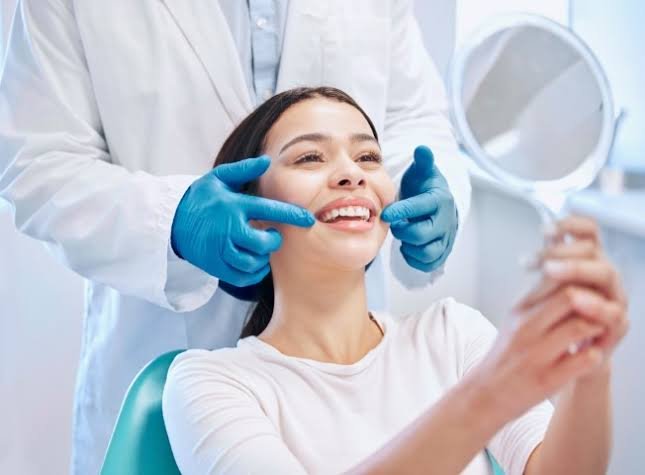
You catch your smile in a mirror, on a video call, or in a family photo, and your eye goes straight to the one thing you wish looked different. A chip that happened years ago. Stains that no whitening toothpaste has touched. A front tooth that shifted slowly enough to ignore until it started changing how you smile. That feeling is common, and it does not belong to one age group, which is why many people turn to a dentist in Acton, MA. Kids, teens, parents, and older adults all carry some version of it.
Aesthetic confidence at every age is not about chasing a perfect smile. It is about feeling comfortable when you laugh, speak, eat, and show up in daily life. A family and cosmetic dentist looks at the full picture, which means appearance, function, comfort, and long term oral health all matter at the same time.
Family and cosmetic dentistry connects appearance with daily comfort
Most people do not walk into a dental office asking for a big transformation. They come in because something small has started affecting everything else. A teenager hides their teeth in school pictures because of crowding. A parent wants whiter teeth but also has old fillings that show when they smile. An older adult thinks cosmetic care is no longer worth it, even though worn edges and missing teeth are making meals harder and conversations more self conscious.
That is where a family dentistry model helps. Instead of treating cosmetic concerns like a separate luxury, it places them alongside routine exams, preventive care, bite evaluation, and age related changes. The result is more realistic and more useful. A brighter smile means more when the teeth are healthy. Straighter teeth matter more when they are easier to clean. Replacing a missing tooth matters for confidence, but it also helps chewing, speech, and bone support.
The need is real across the lifespan. According to the CDC, adults are keeping more of their natural teeth as they age, which is good news, but it also means more people are managing restorations, wear, discoloration, and shifting over time. You can review those trends in this CDC data brief on tooth loss among adults aged 65 and older. Keeping teeth longer often brings a new goal with it. People want those teeth to look and feel good, not just remain in place.
Age changes your smile, but it does not end your options
Teeth change because life changes. Children may need early guidance if spacing or bite issues are starting to affect development. Teens often care deeply about appearance, even when they pretend they do not. Adults balance work, budgets, and family schedules, so they postpone treatment until a cosmetic issue becomes a functional one. Older adults may deal with dry mouth, worn enamel, gum recession, or older dental work that no longer blends well.
Public health data reflects that oral health concerns remain widespread. The CDC oral health surveillance findings show ongoing disease burden across age groups, including untreated decay and gum concerns. Cosmetic goals cannot be separated from that reality. If you whiten teeth without addressing decay, or place cosmetic restorations without looking at bite stress, the result often disappoints you later.
A lifelong smile care approach works better because it respects timing. A child may need monitoring, not treatment right away. A busy adult may start with bonding on one visible tooth instead of a full makeover. An older adult may choose crowns, implants, or dentures designed to restore both appearance and comfort. The point is not doing everything at once. The point is building a plan that fits your age, health, and priorities.
Practical choices in cosmetic dental care depend on health, budget, and goals
You may be deciding between something quick and something lasting. You may also be wondering whether your concern is cosmetic at all. That uncertainty is normal. The right choice usually depends on what is causing the issue, how visible it is, and whether it affects function.
| Concern | Short Term Option | Longer Term Professional Option | What to Consider |
|---|---|---|---|
| Surface stains | Whitening toothpaste or strips | Professional whitening | Deep stains and existing dental work may not respond evenly |
| Small chips or uneven edges | Monitor if no pain or bite issue | Bonding or veneers | Bonding is often less costly, veneers may last longer in some cases |
| Crooked or crowded teeth | None that safely correct alignment at home | Clear aligners or braces | Straighter teeth can improve cleaning and reduce wear patterns |
| Missing tooth | Delay treatment, which can shift nearby teeth | Bridge, implant, or denture | Function, bone support, and speech can change over time if untreated |
Research also shows why this balance matters. The National Institute of Dental and Craniofacial Research outlines how oral health affects nutrition, speech, social well being, and chronic disease management in its Oral Health in America report. Cosmetic dentistry is often treated like vanity from the outside, but patients know the truth. When your teeth feel unstable, look different than they used to, or keep you from smiling naturally, it reaches into daily life fast.
Family and cosmetic dentist care works best when you take clear first steps
- Name the real problem. Do not reduce everything to “I want a better smile.” Get specific. Is it color, shape, spacing, old dental work, missing teeth, or discomfort when chewing? A clear concern leads to a better plan and keeps you from paying for treatment that does not solve the issue bothering you most.
- Ask for a phased treatment plan. You do not need to commit to every recommendation at once. Ask what needs attention first for health, what can wait, and which cosmetic improvements will make the biggest visible difference. This helps you protect your budget and still move forward.
- Think in decades, not events. A wedding, graduation, job interview, or reunion may bring you in, but your teeth still need to work next year and ten years from now. Choose options that support cleaning, bite stability, and gum health, not just appearance in photos.
Your smile can evolve with you at every stage of life
You are not too young to start protecting confidence, and you are not too old to restore it. Smiles change because bodies change, habits change, and priorities change. Good dental care meets you where you are. It does not shame you for waiting, and it does not push you into treatment that does not fit your life. It gives you a path that makes sense now and holds up later.
If you have been putting off care because the problem feels cosmetic, minor, or hard to explain, this is a good time to schedule a visit with a family and cosmetic dentist and talk through your options.