

A healthy landscape takes more than good soil and the right plants. Homeowners in Naples, Florida know that heat, long dry stretches, and sudden heavy rain can all test a lawn within the same few months.
The yards that stay green through every season are usually the ones cared for with a clear plan. Good care is not about doing more work. It is about doing the right work at the right time while wasting as little water, money, and effort as possible.
When Watering Stops Working the Way It Should
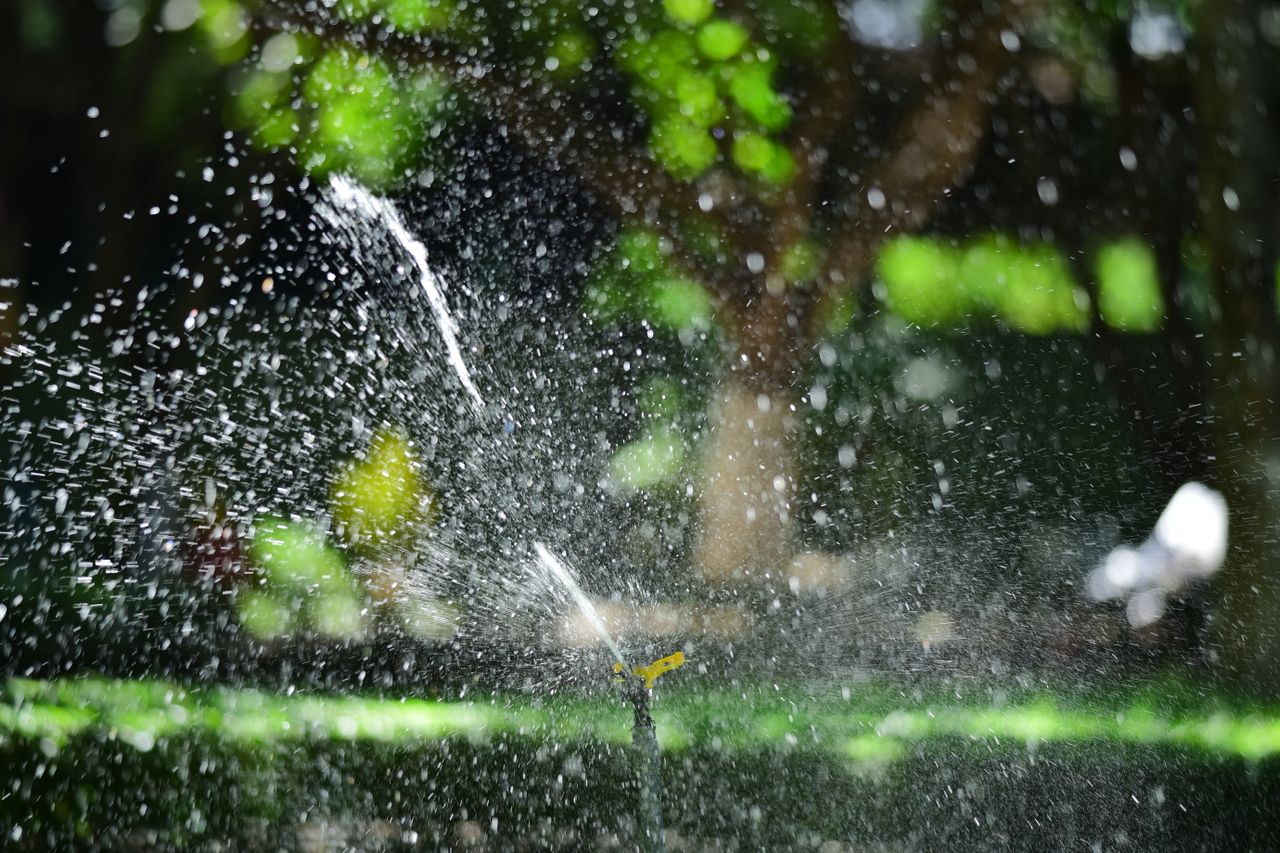
Most lawns give clear signs when something in their care routine has gone wrong, and brown patches beside soggy spots are often the first clue. In many cases, the cause sits underground or at ground level, where a sprinkler head has clogged, sunk, or shifted until it waters the driveway instead of the grass. A prompt repair by a trained technician brings back even coverage and stops water from going to waste.
Homeowners can book sprinkler system repair in Naples Florida to unclog nozzles, fix zones that no longer run on schedule, and stop leaks that quietly raise water bills. Once watering is back on track, the rest of the landscape has a much better chance of thriving.
Why Regular Care Protects Your Investment
A landscape is one of the most visible parts of a home, and it often adds real value to the property. Grass, shrubs, trees, and flower beds all take time and money to establish. When they are left without steady care, small problems grow quietly until they become expensive to fix.
Regular care keeps those problems small. Mowing at the right height, trimming plants before they become overgrown, and clearing fallen leaves all help a yard stay strong. A lawn that is cared for on a steady schedule also recovers faster from stress, whether that stress comes from a hot spell, a storm, or heavy foot traffic.
Matching Water Use to What Plants Actually Need
Many homeowners water out of habit rather than need. Some run water every day, while others wait until the grass is already turning brown. Both approaches can harm a lawn.
Grass and plants grow deeper, stronger roots when they receive water less often but more thoroughly. Early morning is usually the best time to water because cooler air means less water is lost to heat and wind. Watering late in the evening can leave grass damp overnight, which may invite fungus and disease. Paying attention to rainfall is just as important. After a heavy storm, the lawn often needs nothing extra for several days.
Choosing Plants That Suit the Local Climate
Efficiency starts with the plants themselves. Plants that suit the local heat, humidity, and soil need less water, less feeding, and less attention to stay healthy. Native shrubs and flowering plants tend to handle long dry spells and sudden downpours better than plants brought in from cooler regions.
Grouping plants with similar needs together also makes care easier. When thirsty plants sit in one area and hardy plants sit in another, each part of the yard can be watered according to what it actually needs. This simple step cuts waste and keeps every bed looking its best.
Healthy Soil Makes Everything Easier
Soil is the foundation of any landscape. Hard, packed soil makes it difficult for water and air to reach the roots, so much of the water runs off instead of soaking in. Loosening the soil through aeration once or twice a year helps water move down to where it is needed.
Adding organic matter, such as compost, improves how well soil holds moisture. A layer of mulch around trees and flower beds keeps the ground cooler, slows evaporation, and limits weed growth. These small steps mean plants need less water to stay healthy, which saves both time and money.
Staying Ahead of the Seasons
Each season brings its own demands. During the hottest months, lawns need closer watching for signs of stress, such as wilting blades or footprints that stay visible long after someone walks across the grass. During the rainy months, the focus shifts to making sure water does not sit on the lawn for too long.
Cooler months are a good time to plan ahead. This is when many homeowners check their outdoor equipment, adjust watering schedules, and prepare beds for new planting. A little planning before each season begins makes it far easier to keep the yard in good shape all year.
Small Habits That Save Time and Money
Efficiency often comes down to simple daily habits. Walking the yard once a week helps homeowners notice changes early, such as dry corners, puddles that do not drain, or plants that look tired. Adjusting the mowing height as the weather changes keeps grass from becoming stressed.
Keeping tools clean and sharp also matters. A dull mower blade tears grass instead of cutting it cleanly, which leaves the lawn more open to disease. Smart controllers that adjust watering based on the weather can also help homeowners avoid watering when rain is already on the way.
Finding the Right Balance for Your Yard
Every landscape is different, and no single routine works for every home. The goal is to find a rhythm that keeps the yard healthy without wasting resources. Steady care, sensible watering, the right plants, and healthy soil all work together to create a landscape that looks good and stays strong. When these pieces fit together, homeowners spend less time fixing problems and more time enjoying their outdoor space.
A balanced approach also makes the yard easier to manage as the years go by, since healthy plants and soil need less rescue work. Over time, these choices add up to lower water bills and fewer surprises after every change in weather. Most of all, a well-kept landscape becomes a place where families can relax, gather, and feel proud of their home.