

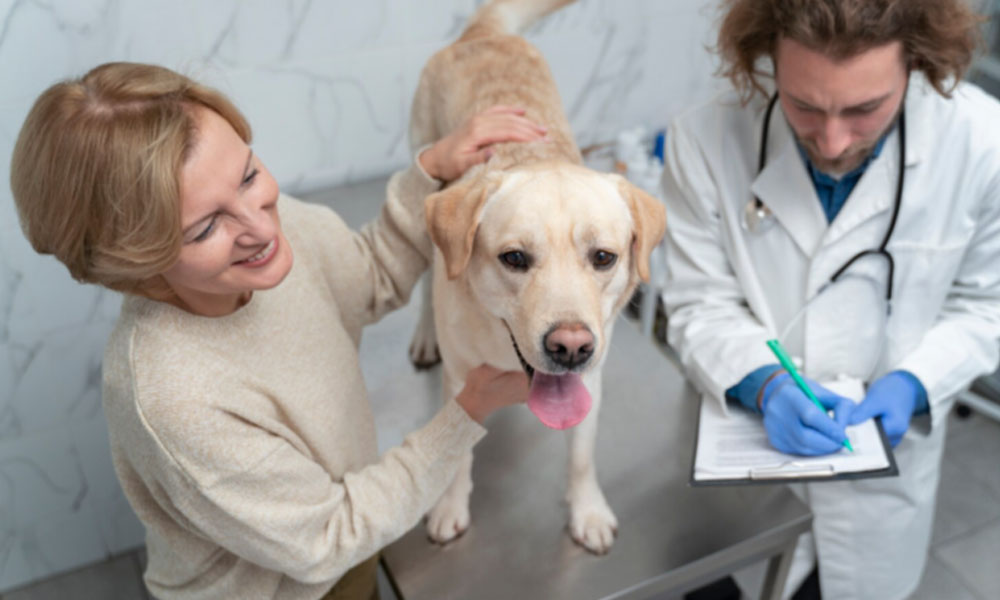
You might have noticed your dog or cat acting off for a day or two, then suddenly things got harder to ignore. She stopped eating, seemed tired, drank more water than usual, vomited, or had discharge you knew was not normal. That kind of change can feel fast and frightening, and sometimes it is. Severe uterine infections in pets, often called pyometra, are medical emergencies that need prompt treatment at an established animal hospital serving Mason. In most cases, the safest path is surgery, along with fluids, pain control, antibiotics, and close monitoring.
This is one of those situations where waiting can turn a treatable problem into a life threatening one. The uterus fills with infected material, toxins can move through the bloodstream, and the body can slide into shock or organ failure. When veterinary teams treat a serious womb infection in pets, they are not just dealing with the uterus. They are stabilizing the whole patient.
Severe uterine infections in pets become dangerous quickly
A uterine infection usually develops after a heat cycle, most often in unspayed female dogs, though cats can be affected too. Hormonal changes make the uterus more likely to hold fluid and bacteria. Once infection takes hold, the uterus can swell and fill with pus. If the cervix is open, you may see discharge. If it is closed, there may be no discharge at all, which makes the illness easier to miss and often more dangerous.
You may be seeing signs that do not look dramatic at first. Extra thirst. More urination. Low energy. A swollen belly. Vomiting. Panting. Restlessness. Then your pet declines fast. That is the part that catches many owners off guard. She looked tired yesterday, and now she can barely stand. This is why How Veterinary Hospitals Treat Severe Uterine Infections In Pets matters so much. Speed changes outcomes.
Veterinarians confirm the problem with a physical exam, bloodwork, and imaging such as x rays or ultrasound. Blood tests help show how hard the infection is hitting the body. Imaging helps confirm an enlarged, infected uterus and can rule out other causes of illness. If your pet is weak, dehydrated, or unstable, treatment starts before every answer is in hand, because stabilizing her cannot wait.
Veterinary hospital treatment focuses on stabilization first
When a pet arrives with a severe uterine infection, the first goal is to support the body. Intravenous fluids help correct dehydration, improve blood pressure, and support the kidneys. Pain medicine keeps your pet more comfortable. Anti nausea treatment may be needed if vomiting is part of the picture. Antibiotics are started to help control the infection, though antibiotics alone usually do not solve pyometra because the infected uterus remains in place.
Emergency and critical care teams watch for sepsis, which is the body’s extreme response to infection. That can affect the heart, kidneys, liver, and clotting system. If your pet is very sick, she may need round the clock monitoring in an emergency service. The Ohio State University Veterinary Medical Center outlines the kind of support available through pet emergency and critical care, which often plays a central role in these cases.
Surgery is often the definitive treatment for pyometra in dogs and cats
The standard treatment for pyometra is emergency spay surgery, which removes the infected uterus and ovaries. This is more complex than a routine spay because the uterus is enlarged, fragile, and full of infected material. The surgical team works carefully to prevent leakage into the abdomen and to manage the added risks that come with infection and a sick patient.
If the uterus ruptures, infection can spill into the abdomen, which makes the case more serious and recovery more complicated. That possibility is one reason veterinarians do not advise a wait and see approach when pyometra is diagnosed or strongly suspected.
There are limited cases where breeding animals may be treated medically under the care of a reproductive specialist, but that approach is selective and carries risk of recurrence. The Ohio State service for reproductive medicine and theriogenology reflects how specialized these decisions are. For most family pets with a severe infection, surgery is the clearest and safest option.
Comparing common treatment paths for a severe womb infection in pets
| Approach | What It Involves | Main Benefit | Main Risk or Limitation |
|---|---|---|---|
| Emergency surgery | IV fluids, anesthesia, removal of infected uterus and ovaries, hospital monitoring | Removes the source of infection | Higher anesthetic and surgical risk in very sick pets |
| Antibiotics alone | Medication without removing the uterus | May offer short term support before surgery | Usually does not cure pyometra and can delay needed care |
| Medical reproductive management | Hormonal treatment and close specialty oversight in select breeding animals | May preserve fertility in rare, carefully chosen cases | Recurrence is common and failure can become an emergency |
| Waiting at home | Monitoring symptoms without immediate veterinary treatment | No short term cost | High risk of sepsis, rupture, shock, and death |
The financial side can feel heavy, especially if this came out of nowhere. Emergency exams, imaging, bloodwork, surgery, anesthesia, and hospitalization add up. Even so, delaying care often raises the cost because a stable patient is easier to treat than one in septic shock. More than that, delay lowers the chance of a smooth recovery. A veterinary hospital is equipped to handle both the infection and the complications that may come with it.
Three steps to take right away if you suspect a severe uterine infection
Call for urgent veterinary care. If your unspayed female pet is lethargic, vomiting, drinking more, straining, has abdominal swelling, or has vaginal discharge after a heat cycle, treat it as urgent. Ask for the soonest appointment or go to an emergency hospital.
Do not try home treatment. Leftover antibiotics, internet advice, and waiting overnight can cost valuable time. A pet uterine infection treatment plan needs diagnostics, supportive care, and often surgery.
Bring useful details with you. Note when her last heat cycle happened, when symptoms started, whether you saw discharge, and any changes in appetite, thirst, urination, or energy. That timeline helps the veterinary team move faster.
Prompt treatment gives your pet the best chance to recover
A severe uterine infection is frightening, but it is also something veterinary teams treat every day. Fast action matters. Stabilization, testing, surgery when needed, and close monitoring can turn a crisis into recovery. If you think your pet may have pyometra or another serious uterine infection, seek emergency veterinary care right away.