

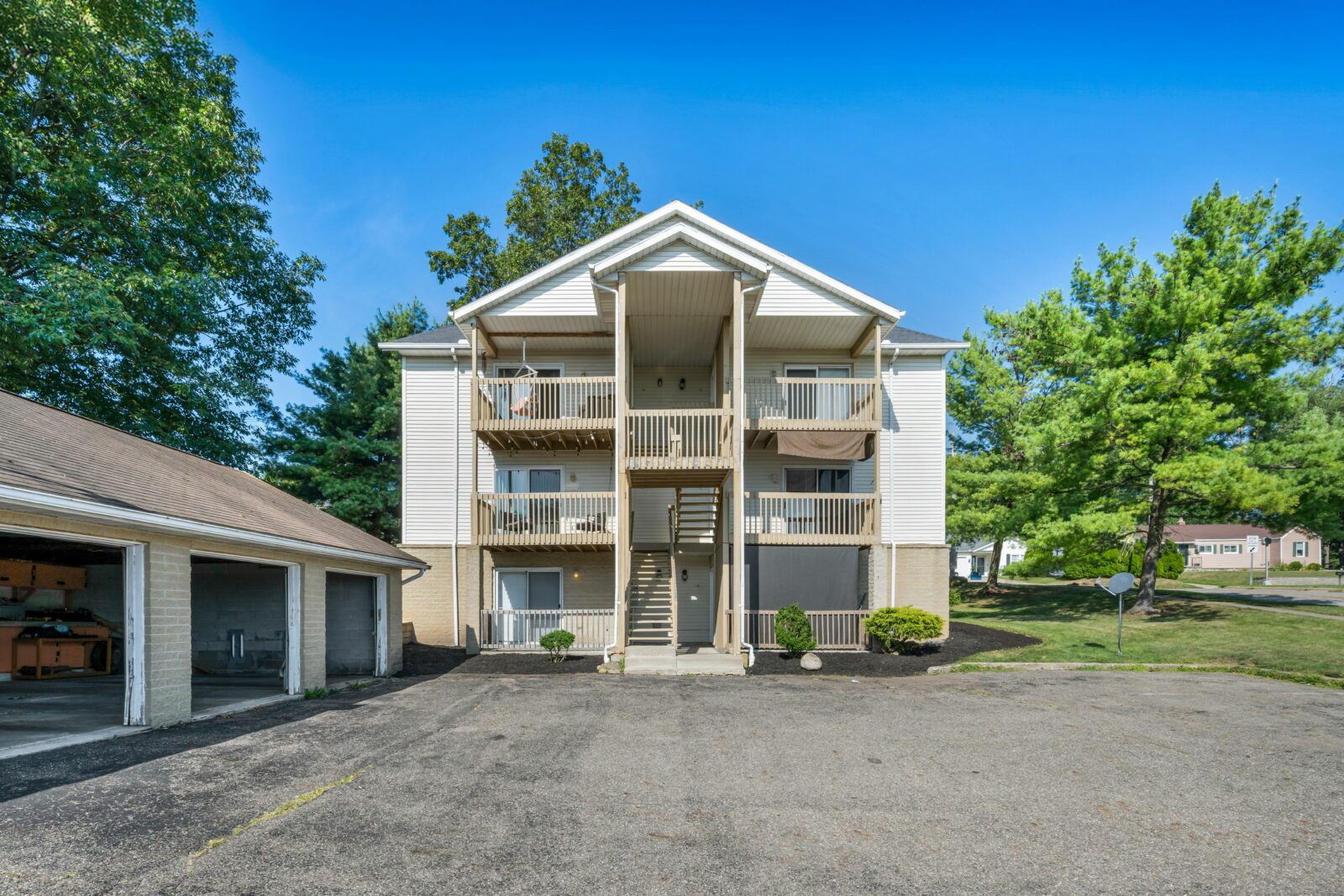
A first rental property can produce steady income, but success depends on the systems you establish before a tenant moves in. Independent landlords need a realistic budget, a consistent applicant review process, legally appropriate tenancy terms and accurate financial records. Treating these tasks as routine business operations can prevent cash shortages, compliance problems and time-consuming disputes.
The following strategies will help you build a practical foundation for managing a rental without losing track of the details.
Assess the True Carrying Costs
Start with a property-level budget that includes every recurring and occasional expense. The mortgage may be the largest monthly bill, but it rarely represents the full cost of keeping a rental operating. Property taxes, insurance, utilities paid by the owner, association fees and routine maintenance all affect cash flow.
Set aside money for vacancies and major repairs too. If a unit rents for $1,800 per month, assuming that all $21,600 of annual rent will arrive on schedule creates a fragile budget. One vacant month reduces gross income by $1,800 before you account for turnover cleaning, advertising or repairs. A reserve equal to several months of property expenses gives you room to handle a failed appliance or an unexpected vacancy without relying on personal credit.
Review these cost categories before setting the rent:
- Fixed monthly and annual property bills
- Routine services such as landscaping or seasonal maintenance
- Vacancy and tenant turnover costs
- Repairs and replacement of aging systems
- Administrative services, software and professional advice
Compare the total with realistic local rent estimates, not the highest listing you can find. Also review the federal tax treatment of rental expenses, including the distinction between deductible repairs and depreciable improvements. A qualified tax professional can explain how those rules apply to your property and ownership structure.
Revisit the budget every quarter. Insurance premiums, service fees and repair costs change and yesterday’s expected profit can quickly become today’s shortfall.
Screen Applicants Consistently
Create written screening criteria before accepting applications. Your standards might address verified income, rental history, credit information and relevant background checks permitted by law. Apply the same criteria in the same order to every applicant so personal impressions don’t influence the outcome.
For example, you could require applicants to show gross monthly income equal to three times the rent, provide contact information for previous housing providers and authorize a screening report. Record when each complete application arrives and document the reason for every approval or denial. A guide to successful tenant screening can help you organize this process, though local law should determine which checks and criteria you may use.
Consistency also supports compliance with the Fair Housing Act, which prohibits housing discrimination based on protected characteristics. State and local rules may add further protections or restrict how landlords use credit, criminal history or income information.
Give applicants a written explanation of the process and obtain required consent before ordering reports. If information in a consumer report leads to an adverse decision, follow the applicable notice requirements.
Once you approve an applicant, move promptly from screening to documentation. A state-specific service that lets you build a lease agreement online can create a cleaner handoff from approval to signing. Confirm every name, date, fee and property detail before sending the document for electronic signature.
Draft Compliant Tenancy Terms
A rental agreement should explain the practical rules of the tenancy in language both parties can understand, much like a lease agreement template would. Generic forms may omit state-required disclosures or contain clauses that local law doesn’t allow. Check current state and municipal requirements, and seek legal advice when a rule is unclear or the property has an unusual arrangement.
At minimum, identify every tenant and owner, the rental property, the tenancy dates, the rent amount and the payment procedure. State when rent is due, what payment methods you accept and how any lawful late fee works. Address the security deposit, including where it will be held, permitted deductions and the required return timeline.
Maintenance terms deserve close attention. Spell out how tenants should report leaks, electrical problems or loss of essential services. Clarify responsibility for routine tasks such as replacing approved filters, keeping outdoor areas tidy or arranging access for repairs. Avoid clauses that attempt to shift an owner’s legal duties to the tenant.
Also cover notice procedures, entry rules, renewal terms, guests, pets and any restrictions permitted in your area. Attach required disclosures and property-specific addenda before signing. Changes made after the agreement begins should appear in a written amendment signed by all affected parties.
Complete a move-in inspection with dated photographs and a signed condition report. If a tenant later disputes a deposit deduction for damaged flooring, the original report offers stronger evidence than memory alone. Store the agreement, addenda, inspection records and correspondence together so you can retrieve the full tenancy file quickly.

Automate Monthly Bookkeeping
Keep rental finances separate from household spending. A dedicated bank account creates a clearer record of rent deposits, repair payments and property bills. It also reduces the time needed to classify transactions during tax preparation.
Choose a bookkeeping system that lets you assign income and expenses to a specific property. Useful categories include rent, deposits, repairs, insurance, taxes, utilities, professional fees and capital improvements. If you own more than one unit, track each one separately. A profitable building can otherwise hide a unit with repeated maintenance costs or extended vacancies.
Set a monthly routine for reconciling the bank account. Match each transaction with an invoice, receipt or tenant payment record, then investigate missing or duplicate entries. Digital receipt storage helps when paper receipts fade or disappear. Use filenames that include the date, property and vendor, such as “2026-04-12 Oak Street Plumbing.”
Automation can handle recurring invoices, payment reminders and transaction imports, but review the records yourself. Software may classify a new refrigerator as a routine repair even though tax rules could treat it as an improvement. Human review catches these errors before they spread through annual reports.
Finish each month by checking rent collected, unpaid balances, operating expenses and reserve funds. This brief review reveals useful patterns. A rising water bill may point to a leak, while repeated small service calls could show that replacing an old appliance now will cost less than repairing it again.
Independent property management becomes far more manageable when each tenancy has an orderly paper trail. Before handing over the keys, confirm that the first payment has cleared, all signatures are complete and the move-in condition report is stored with the rest of the tenant file. That final check can prevent some of the most common disputes from reaching your inbox later.