

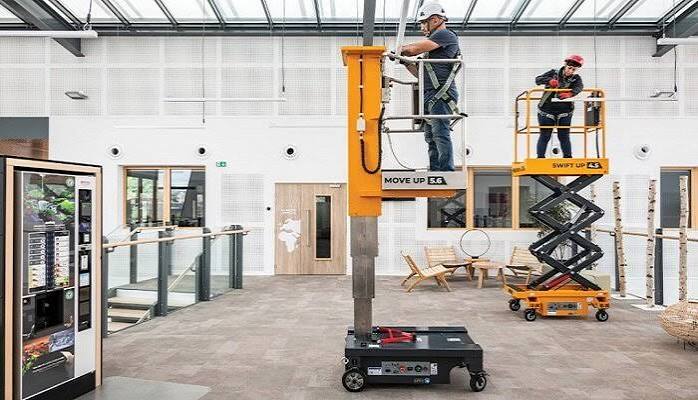
Many construction, maintenance, installation, inspection, and facility projects require workers to perform tasks above ground level while reaching areas that cannot be accessed easily from a fixed position. In these situations, the choice of access equipment can have a direct effect on productivity, work organization, and the ability of crews to complete tasks efficiently. Boom lifts are designed to provide elevated access while offering a combination of vertical reach, horizontal positioning, and maneuverability that can be useful for complex work areas. Instead of relying on ladders or repeatedly repositioning basic access equipment, a properly selected lift can help workers reach specific areas with greater flexibility. For businesses that only need this type of equipment for particular projects, a boom lift rental can provide temporary access without requiring the organization to purchase and permanently maintain a specialized machine. The key is to match the equipment to the project, understand the working environment, and plan its operation carefully before work begins.
Understanding the Requirements of Elevated Work
Every elevated project has its own combination of requirements, and equipment selection should begin with a clear understanding of what the workers actually need to accomplish. The required working height is important, but it is only one factor. The crew may also need to reach over obstacles, work from an offset position, maneuver around structures, carry tools onto the platform, or move between several work locations. A project involving exterior maintenance may have very different requirements from an indoor installation project. Understanding these details before arranging equipment can help prevent the selection of a machine that reaches the required height but lacks the maneuverability, platform capacity, or operating characteristics necessary for the actual task. A careful assessment gives project managers a stronger foundation for selecting equipment that supports the work rather than creating additional limitations.
Choosing Between Different Boom Configurations
Boom lifts are available in configurations designed for different types of elevated access. Articulating models can provide flexibility when workers need to move around obstacles or access areas that are not directly above the machine’s base. Telescopic or straight-boom equipment can provide substantial horizontal and vertical reach where a more direct path to the work area is required. The choice between these configurations depends on the layout of the project, the location of the work, available space, and the required combination of height and outreach. Understanding these differences before selecting equipment can help businesses avoid unnecessary repositioning and improve the efficiency of the overall workflow. The most appropriate equipment is determined by the specific application rather than by maximum reach alone.
Evaluating Working Height and Horizontal Reach
Working height and horizontal reach should be considered together because many elevated tasks require workers to reach outward rather than simply straight upward. A building façade, overhead structure, large mechanical installation, or maintenance area may be positioned several feet away from where the equipment can safely stand. In such situations, horizontal outreach can be just as important as maximum platform height. Project managers should identify the highest and farthest points that workers need to access and then compare those requirements with the manufacturer’s specifications for the equipment being considered. It is also important to account for surrounding structures and clearance requirements so that the boom can move through its intended operating range without creating unnecessary contact hazards.
Considering Platform Capacity
The capacity of the platform must accommodate the complete working load rather than just the weight of the operator. Tools, materials, equipment, replacement components, and other items carried into the platform contribute to the total load. Manufacturers specify maximum load limits for their equipment, and those limits should not be exceeded. OSHA’s requirements for aerial lifts specifically state that boom and basket load limits specified by the manufacturer must be observed. Planning the anticipated load before the project begins can help crews select equipment that provides sufficient capacity without relying on assumptions. It can also improve workflow because workers can determine in advance which materials should be brought onto the platform and which should remain at ground level.
Examining the Work Surface
The surface supporting a boom lift is an important part of the equipment selection process. The machine must be used in conditions that are appropriate for its design and operating requirements. Uneven surfaces, soft ground, slopes, holes, debris, construction materials, and other conditions can affect positioning and stability. Before the equipment is deployed, the work area should be evaluated to identify potential problems and determine whether appropriate measures are needed. OSHA’s aerial-lift requirements address the importance of setting brakes and properly positioning outriggers when they are used, including placement on suitable surfaces. A thorough site assessment can therefore help project teams recognize conditions that could interfere with safe and effective equipment operation.
Planning Around Obstacles and Structures
One of the advantages of boom equipment is its ability to provide access around certain obstacles, but that flexibility does not eliminate the need for careful planning. Workers may need to position the boom near walls, roofs, structural elements, machinery, overhead installations, or other fixed objects. The movement of the boom should be considered in three dimensions because the platform can change position as the boom raises, lowers, extends, or articulates. Project managers and operators should identify potential contact points before starting work and maintain appropriate clearance from surrounding structures. A clear understanding of the equipment’s movement can reduce unnecessary repositioning and help crews establish a more controlled working area.
Preparing Operators for the Equipment
Proper operator preparation is an essential part of using a boom lift. OSHA requires trained persons to operate covered aerial lifts, and its guidance recommends training that addresses hazards, safe operation, load capacity, inspections, and manufacturer requirements. Familiarity with one type of lift does not necessarily mean that an operator should assume every other model works in exactly the same way. Controls, operating procedures, capacity limitations, emergency systems, and equipment configurations can vary. Before beginning a project, operators should understand the specific machine they are using and follow the manufacturer’s instructions and applicable workplace procedures. Proper preparation can help reduce confusion and promote more consistent equipment operation.
Performing Pre-Use Inspections
A boom lift should be inspected before it is placed into service according to the manufacturer’s instructions and applicable safety requirements. OSHA recommends testing lift controls each day before use to determine whether they are in safe working condition. A thorough inspection can also involve checking tires, brakes, hydraulic systems, controls, guardrails, emergency functions, structural components, warning labels, and other relevant equipment features. If a problem is identified, the equipment should not simply be used because the project schedule is tight. Defective equipment may need to be removed from service until the issue has been appropriately addressed. Making inspections part of the normal workflow can help identify concerns before they interfere with active work.
Managing Fall Protection Requirements
Working from an elevated platform requires appropriate attention to fall hazards. OSHA’s requirements for aerial lifts include the use of a personal fall arrest or travel restraint system that meets applicable requirements and is attached to the boom or basket when working from an aerial lift. Workers should also remain firmly on the platform floor and should not climb on rails, use ladders or makeshift devices to gain additional height, or attach themselves to adjacent structures. Following the equipment’s intended design helps maintain a predictable working position. Employers should ensure that workers understand the applicable fall-protection requirements for the equipment and task before elevated work begins.
Considering Overhead Electrical Hazards
Electrical hazards deserve particular attention whenever a boom lift operates near overhead power lines or electrical equipment. The height and reach of a boom can bring the platform or other parts of the machine closer to electrical sources than workers may initially realize. Work zones should therefore be evaluated for overhead electrical hazards before equipment is positioned. OSHA has specific requirements addressing aerial-lift operations near electrical lines, and additional rules may apply depending on the type of work and industry involved. Maintaining appropriate separation and following applicable electrical safety procedures can help prevent dangerous contact. Electrical hazards should never be treated as a minor consideration simply because the work itself does not involve electrical installation.
Managing Weather and Environmental Conditions
Outdoor projects can change rapidly because weather and environmental conditions are not always consistent throughout the workday. Wind, rain, poor visibility, changing ground conditions, and debris can influence how elevated equipment should be operated. Project teams should monitor conditions and follow the manufacturer’s operating limitations rather than assuming that equipment can continue operating normally in every situation. A lift that performs well in calm conditions may have different limitations when environmental conditions change. Planning for weather-related interruptions can also help businesses avoid rushing workers to complete elevated tasks when conditions are no longer appropriate. Responsible scheduling allows safety considerations to remain part of the project plan instead of becoming an afterthought.
Improving Productivity Through Better Positioning
A properly positioned boom lift can help workers spend more time performing the actual task and less time repositioning equipment. This can be particularly valuable when a project involves multiple work points along a structure or when obstacles make traditional access methods inefficient. Instead of repeatedly climbing down and relocating a ladder or arranging separate access equipment for each section, a boom may allow the operator to position the platform according to the changing requirements of the job. However, productivity should never be measured simply by how quickly equipment moves. Effective productivity comes from combining appropriate equipment with careful planning, trained operation, proper positioning, and organized material handling.
Coordinating Equipment With Other Crews
Elevated work frequently takes place alongside other project activities. Ground crews may be transporting materials, operating vehicles, installing components, managing deliveries, or working around the same structure. The boom lift therefore needs to be incorporated into the broader worksite plan. Establishing clear working zones and communicating with other crews can reduce unnecessary conflicts and help everyone understand where the equipment will operate. Supervisors can coordinate tasks so that workers are not unnecessarily exposed to moving equipment or overhead activities. Good communication can also make it easier to respond when project conditions change and the equipment needs to be repositioned.
Reducing the Burden of Equipment Ownership
Specialized access equipment can represent a substantial long-term investment when businesses purchase machines that are only used occasionally. Ownership can also involve storage, maintenance, inspections, repairs, transportation, depreciation, and administrative responsibilities. For organizations with changing project requirements, temporary equipment access can offer greater flexibility. Renting allows businesses to obtain a machine for the period in which it is actually needed and then return it when the project is complete. This can be particularly useful for contractors managing different types of work because one project may require extensive horizontal reach while another may need an entirely different type of access equipment. Evaluating utilization rates can help businesses determine when temporary access is more appropriate than permanent ownership.
Selecting Equipment According to the Project
Equipment selection should involve more than asking for the tallest available machine. A useful selection process considers working height, horizontal reach, platform capacity, terrain, maneuverability, indoor or outdoor conditions, project duration, transportation requirements, and the nature of the work. Providing an equipment supplier with detailed information about the project can make the selection process more productive. Clear information allows the provider to understand what the machine must accomplish rather than making assumptions based only on a general equipment category. This can help businesses obtain equipment that fits the application more closely and avoid paying for capabilities that are unnecessary while still ensuring that essential requirements are met.
Maintaining Reliable Equipment Availability
Project schedules often depend on equipment being available when crews are ready to work. A delay involving access equipment can affect multiple activities because workers may be unable to reach the required work area. Businesses can reduce scheduling problems by planning equipment requirements in advance and communicating expected project dates clearly. Rental providers can also help by maintaining equipment appropriately and ensuring that machines are prepared for service. OSHA guidance recommends regular maintenance and inspection of aerial lifts and states that defective equipment should not be used until repaired by a qualified person. Reliable equipment availability is therefore connected to both maintenance practices and effective project planning.
Creating a More Flexible Access Strategy
Different projects can require very different forms of elevated access, and businesses may benefit from maintaining a flexible approach to equipment selection. Instead of treating every elevated task as though it requires the same machine, managers can evaluate each project independently. One job may require an articulating boom to navigate around structures, while another may benefit from a straight-boom configuration because of its required reach. Understanding these differences can help businesses avoid inefficient equipment choices and create better workflows. A flexible rental strategy also allows companies to respond to changing project requirements without permanently expanding their equipment fleet.
Conclusion
Elevated work becomes more manageable when equipment selection, site planning, operator preparation, inspections, and daily operating practices are treated as connected parts of the project. A boom lift can provide valuable vertical and horizontal access for construction, maintenance, installation, inspection, and other tasks when the equipment is appropriately matched to the work. Businesses considering a boom lift rental should evaluate working height, outreach, platform capacity, surface conditions, obstacles, electrical hazards, weather, operator requirements, and project scheduling before equipment is selected. OSHA also emphasizes trained operation, pre-use control checks, manufacturer load limits, stable positioning, and appropriate fall protection for aerial lifts. With thoughtful planning and responsible equipment use, temporary access equipment can support a more organized workflow while giving project teams the flexibility needed to complete demanding elevated tasks. A well-planned rental approach can provide access to specialized equipment when it is needed without requiring businesses to maintain that equipment as a permanent fleet asset.