

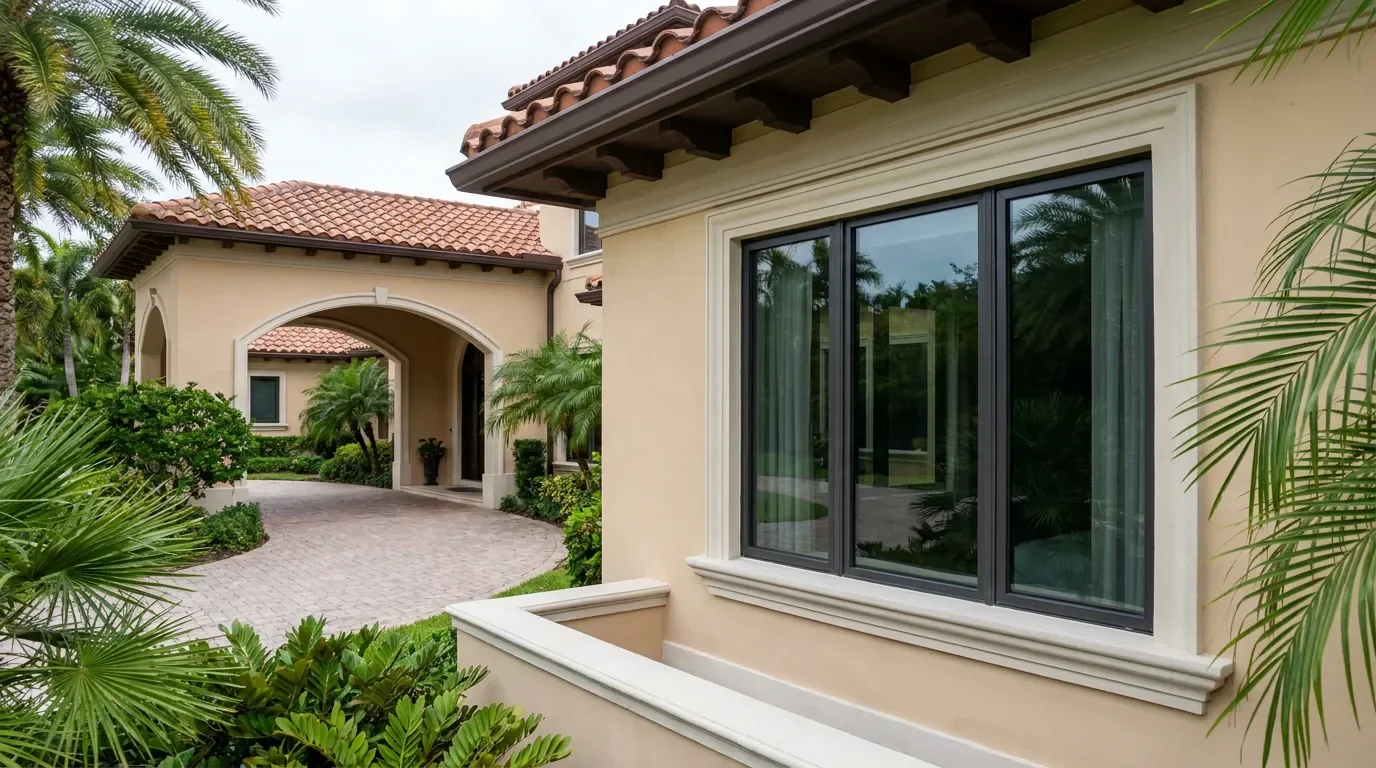
Living near the coast brings bright light, salty breezes, and,, during storm season, serious wind and debris. Impact windows are designed to address those extremes, combining laminated glass and reinforced frames so the window stays intact even if the outer pane cracks. If you are considering an upgrade, planning can help you choose the right product, set realistic expectations for permitting and installation, and avoid common pitfalls that lead to leaks or rattles down the road.
Every home and municipality is different, but the decision process tends to follow a consistent arc: assess risks, choose ratings and materials, prepare for permits and inspections, and coordinate a professional installation. For a practical overview of the installation journey, permitting checkpoints, and local considerations, you can see details from SafeGuard as part of your broader research.
Why Impact Windows Matter in Hurricane Zones
In a major storm, a compromised opening can allow wind to rush into a home, pressurising the interior and stressing the roof and walls. Impact-rated windows use laminated glass, two panes bonded by an interlayer, to resist shattering. Even if the glass cracks under impact, the interlayer helps hold pieces together, reducing the chance of a full breach. That protection pairs with heavy-duty frames and reinforced hardware to keep the sash seated and sealed under high wind pressures.
Beyond storms, impact windows can also contribute to day-to-day comfort. The laminated construction helps reduce outside noise, which is noticeable along busy streets or near the water. Many units also offer options for solar control coatings that manage heat gain, helping maintain indoor temperatures. While those are welcome bonuses, it’s still wise to prioritise structural performance and code compliance first, then layer on comfort and design features.
Understanding Ratings, Glass, and Frame Materials
Manufacturers test windows for design pressure DP and provide performance ratings that indicate how much wind force and water intrusion the product can handle when installed correctly. In coastal areas, local building codes typically require specific ratings based on your home’s exposure and elevation. Ask for documentation that matches your site conditions, and confirm the product is approved where you live. Look for labels or listings that show third-party testing rather than relying on generic “hurricane” language.
Glass options usually include clear, tinted, and low-emissivity (low-e) coatings. Low-e helps with heat and UV reduction, which can protect furnishings from fading. Tints may cut glare but can change interior light levels, so request samples to see the effect in different rooms. For frames, vinyl, aluminium, andfibreglasss are common. Vinyl is popular for thermal performance and low maintenance. Aluminum is valued for strength and slim sightlines. Fiberglass balances rigidity with thermal stability. Each has its own expansion characteristics and hardware choices, so review warranty terms and recommended maintenance per material.
Planning, Permits, and Inspection Milestones
In hurricane-prone regions, window replacement is not a simple swap. Most jurisdictions require permits to verify that the product and installation meet current codes. Expect submittals to include product approvals, drawings, and sometimes site-specific wind zone information. After installation, an inspection confirms the windows match the approved documents and are properly anchored and sealed. Plan extra time for this step during peak season when permit offices get busy.
Good planning also includes a conversation about egress windows in bedrooms, tempered glass requirements near doors or in bathrooms, and any historical or homeowners association restrictions. If you live in a coastal environment, ask how your chosen hardware and finishes hold up to salt air and what upkeep keeps warranties valid. A clear plan reduces surprises and helps the project pass inspection the first time.
Measuring and Installation: What to Expect
Accurate measurements drive everything. Installers typically measure each opening at multiple points because older homes can have out-of-square frames. From there, units are ordered to fit, with allowances for shimming and sealing. On installation day, the crew removes the old window, preps the opening, and installs flashing and sealants before setting the new unit. Anchors are placed per the manufacturer’s schedule, and joints are sealed to manage both wind and water.
Ask what sealants and flashing tapes will be used, and how the team handles transitions to stucco, siding, or masonry. Proper pan flashing at the sill and attention to weep paths help prevent hidden leaks. Inside, expect some dust and noise. Covering furniture and removing window treatments ahead of time speeds things up. If you have a security system, coordinate with your provider to manage sensors on existing windows.
Design, Daylight, and Energy Considerations
Impact windows are about safety, but they also shape the way your home looks and feels. Frame color and profile affect curb appeal. Grilles and muntin patterns can align with your home’s architecture. If you are replacing sliding glass doors or large picture windows, check sightlines so you match or improve the view you already enjoy. In sunny climates, consider glass with selective coatings that block infrared heat while preserving visible light, keeping interiors bright without harsh solar gain.
If energy performance is a priority, review the window’s U-factor, insulation, and solar heat gain coefficient SHGC—your climate, shading, and orientation matter. West-facing rooms often benefit most from stronger solar control. Balance that with comfort in cooler months and with the amount of natural light you want throughout the day.
Maintenance, Longevity, and Warranty Questions
Impact windows are designed for durability, but they still benefit from basic care. Clean tracks and weep holes so water can drain, especially after storms. Rinse hardware periodically if you live near salt water, and avoid harsh cleaners that might damage finishes or sealants. Inspect caulking annually and touch up as needed to maintain weather tightness. These small steps can extend performance and help preserve warranty coverage.
Before you sign a contract, read the warranty closely. Note what is covered for glass, frames, hardware, and labour, and for how long. Ask whether coastal exposure changes coverage terms, and clarify how service calls are handled. Keep purchase documents and approvals together so that, if you ever sell your home, you have a clear record that the windows were installed to code with verified ratings.
Installing impact windows is a meaningful upgrade for coastal living, bringing stronger protection when storms roll through and more comfort the rest of the year. The best results come from pairing well-chosen, properly rated products with a meticulous installation that respects flashing, anchoring, and local code requirements. With careful planning, you can preserve your home’s architecture, improve daylight and energy performance, and gain peace of mind each storm season without unpleasant surprises during permitting or inspection.