

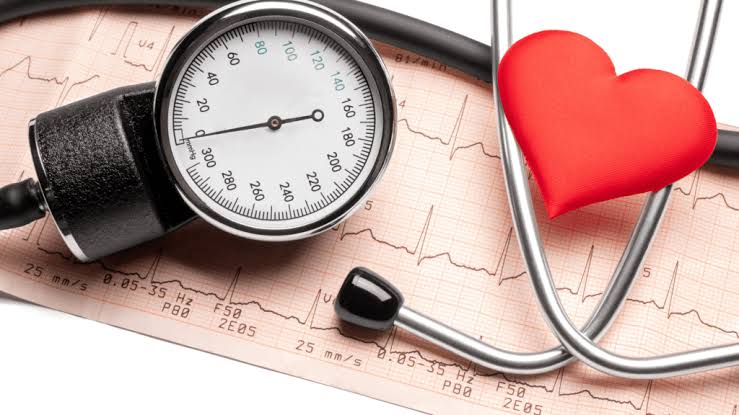
Diabetes and high blood pressure often occur together, and both raise the long-term risk of heart disease. Most people feel well for years, so that the first symptom may be a serious cardiac event. Understanding how each condition affects the heart helps you seek care well before complications begin to develop.
How does diabetes affect the heart?
Persistently high blood glucose over many years injures the inner lining of the coronary arteries, called the endothelium. This injury allows cholesterol to build up within the artery wall, leading to atherosclerosis and narrowed vessels. Diabetes also raises triglycerides and lowers protective HDL cholesterol, which speeds up plaque growth.
Nerve damage from diabetes can dull chest pain, so a heart attack may cause mild or unusual symptoms. Over time, diabetic cardiomyopathy may weaken the heart muscle and lead to breathlessness, swelling and heart failure.
How does high blood pressure affect the heart?
High blood pressure makes the left ventricle work harder, causing its muscular wall to thicken. This condition, called left ventricular hypertrophy, affects how well the heart fills with blood. Hypertension also damages arteries, encourages plaque build-up and increases the risk of angina. It can also cause atrial fibrillation, an irregular heartbeat that raises the risk of stroke.
Why is the combination more dangerous?
When both conditions coexist, the risk of cardiovascular events is higher than with either condition alone. Both conditions also harm the kidneys, and reduced kidney function can further raise blood pressure. Your doctor sets personal targets, often including blood pressure below 130/80 mmHg and an HbA1c near 7 per cent. Controlling both conditions together lowers the chance of heart attack, stroke and kidney failure over the following years.
Warning signs that need prompt review
Early recognition protects heart muscle. Seek medical review if you notice any of the symptoms listed below, especially if you already have diabetes or hypertension.
- Chest pain, tightness or heaviness, with exertion or at rest
- Breathlessness on mild activity or when lying flat
- Swelling of the feet or ankles
- Palpitations, dizziness or fainting
- Unexplained sweating, fatigue or jaw and arm discomfort
- Home blood pressure readings above 180/120 mmHg
Anyone with chest pain lasting more than a few minutes should go to an emergency department immediately.
Tests that assess cardiac risk
A cardiologist usually begins with an ECG, an echocardiogram and a review of your lipid profile. Further tests may include HbA1c, urine albumin, a treadmill stress test or a CT coronary calcium score. These results show how far arterial disease or ventricular strain has progressed and guide the right treatment.
Choosing a Cardiology Hospital in Bangalore
Patients comparing a cardiology hospital in Bangalore should look beyond reputation and review the full range of services. Useful questions include whether cardiologists, endocrinologists and nephrologists collaborate within the same hospital on each patient’s care.
Sparsh Hospital offers cardiac sciences and endocrinology, alongside a comprehensive cardiac package and a comprehensive diabetic health check.
Consult the Best Cardiologist in Bangalore
Patients searching for the best cardiologist in Bangalore often want proven experience with diabetic and hypertensive heart disease. Two senior cardiologists at Sparsh Hospital provide this care.
- Dr S. Venkatesh is the HOD of Interventional Cardiology at Sparsh Hospital, Sarjapur Road, where he also serves as Lead Consultant. He trained at PGIMER, Chandigarh, and has 31 years of experience in preventive cardiology and heart failure management.
- Dr. (Prof) Ranjan Shetty is Lead Consultant Cardiologist and Medical Director at Sparsh Hospital, Infantry Road. He trained at AIIMS, New Delhi, and PGIMER, Chandigarh, and has over 20 years of interventional experience. He co-authored the 2010 API textbook Diabetes and Heart, which reflects his academic interest in this link.
Book your heart assessment
Early review can lower the risk of a heart attack, heart failure or stroke in people with diabetes or hypertension. Book an appointment with the cardiology team at Sparsh Hospital, or call 080 61 222 000 to arrange a consultation.