

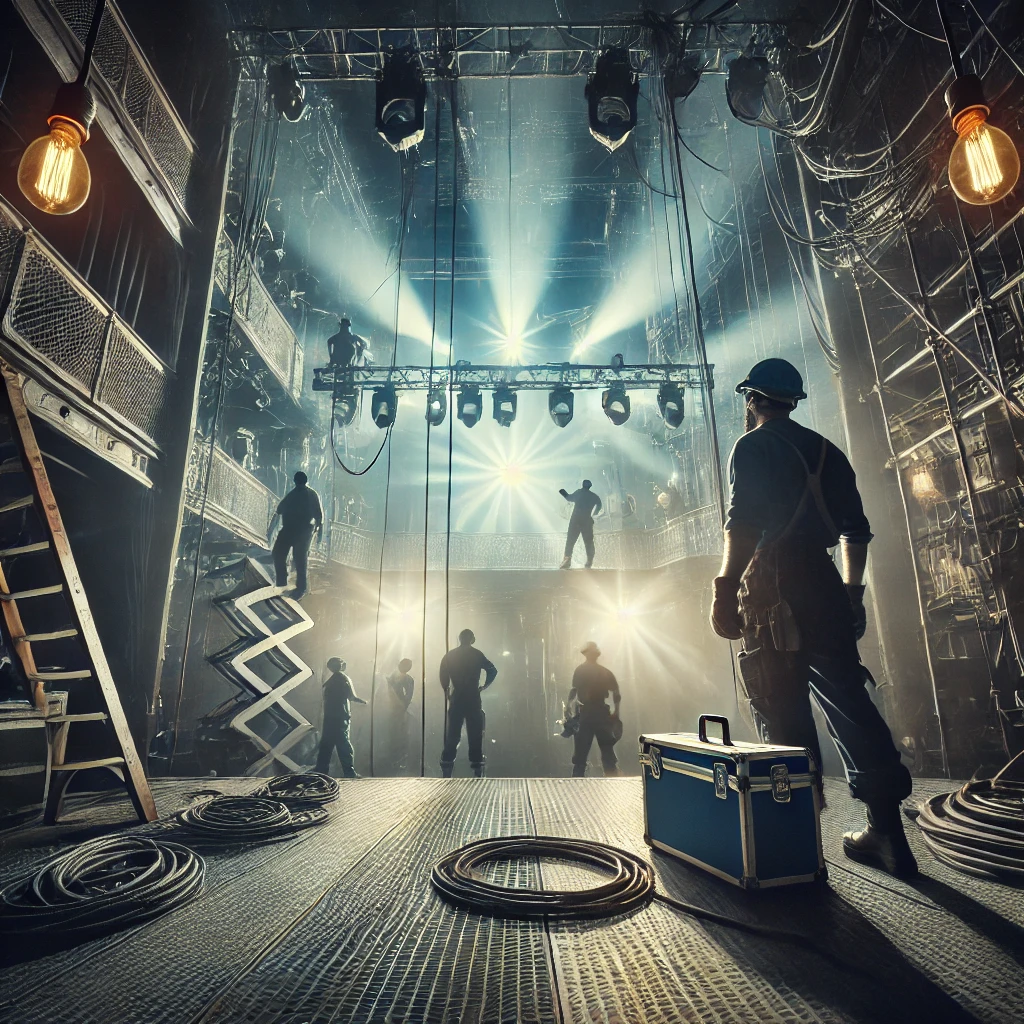
A scene change takes seconds, but the work behind it involves heavy scenery, rolling platforms, electrical cables, and people moving through dim spaces. Before the audience arrives, crew members build sets, hang lights, test equipment, and unload trucks. After the curtain falls, dismantling begins, often when everyone is already tired.
For theater crews, an injury does not require a dramatic equipment failure. A strained shoulder during load-in or a fall over a misplaced cable is enough to interrupt someone’s income and leave them facing weeks of treatment. If a compensation claim stalls during recovery, a dedicated work comp lawyer in Los Angeles can help the injured worker address disputed benefits and meet filing deadlines.
Heavy scenery puts bodies under strain
Moving a set piece is rarely as simple as lifting a box. Scenery has awkward dimensions, uneven weight, and edges that are difficult to grip. A worker carrying one end of a platform also depends on the person at the other end to move at the same pace.
Twisting while lifting places extra strain on the back. Repeatedly pushing equipment cases, reaching overhead, and carrying loads through narrow corridors also puts shoulders and wrists under pressure. Dollies, suitable lifting equipment, and enough people for the task reduce unnecessary manual handling. The route needs attention too: a loaded cart becomes harder to control when its wheels catch on debris.
Darkness leaves little room for mistakes
Backstage lighting stays low during performances, leaving workers to judge distances around scenery and equipment. A cable crossing a walkway or an unexpected step creates a trip hazard, especially during a hurried entrance or scene change.
Work above the stage brings more serious fall risks. Lighting technicians and riggers use ladders, elevated platforms, and overhead access areas. Secure access, inspected equipment, and training in the required fall protection belong in the work plan before anyone climbs. Falling equipment also threatens people below, making overhead work an issue for the entire crew.
Fun fact: Theater work extends below the stage as well as above it. Some venues have trap rooms beneath the performance floor, where crew members operate or access equipment used in stage effects. These spaces add another working area to a production’s safety planning.
The workshop has its own injury risks
Set construction brings saws, staple guns, sharp materials, and power tools into the production schedule. Costume work involves cutting equipment, needles, and hot irons. Lighting work adds electrical shock hazards, while paints and adhesives require attention to ventilation and handling instructions.
A deadline does not change how equipment should be used. A damaged tool needs to leave service rather than stay in circulation until opening night. Maintenance also needs a clear procedure that prevents equipment from starting unexpectedly while someone works on it.
Long calls add another layer of difficulty. A tired worker has less attention available for a changing work area. Scheduling demanding tasks with adequate staffing and breaks gives crews time to check a load, communicate a movement, and stop when something looks wrong. If an injury occurs and the insurer rejects prescribed care, an independent medical review of a treatment denial offers a way to challenge that decision where the process is available.
Record what happened before details disappear
After an injury, urgent medical needs come first. The worker should report the incident promptly and describe the task, equipment, and symptoms accurately. A shoulder injury deserves attention even if there was no fall, collision, or visible wound.
A written record is useful because a theater changes quickly. Scenery moves, cables disappear, and temporary crews leave after a production closes. Witness names, photographs taken safely, work schedules, and copies of incident reports preserve details that otherwise become difficult to reconstruct.
During treatment, explaining the actual job matters. “Stagehand” tells a clinician less than a description of lifting platforms, climbing ladders, or pushing loaded cases.
Legal help when a claim becomes disputed
Workers’ compensation benefits generally address covered work injuries through medical care and replacement of part of lost wages. Eligibility, reporting requirements, and benefit rules depend on the applicable system.
Workers compensation lawyers offer practical help when an insurer disputes an injury, benefits stall, or paperwork becomes difficult to manage. They gather records, track deadlines, and represent injured workers in contested proceedings. That work is particularly useful when the medical evidence needs a clearer explanation of the crew member’s duties.
Returning to a production also deserves a specific conversation. A restriction against overhead lifting needs to reach the person assigning lighting work. Before the next call, the worker and supervisor should identify duties that fit the medical restrictions, rather than leaving that decision until a heavy piece of scenery needs moving.