

Along the Gulf Coast, comfort is less about blasting cold air and more about controlling moisture. Panama City’s high dew points, salty air, and summer storms create conditions that place extra stress on air conditioning systems and contribute to indoor humidity problems. When moisture lingers, rooms can feel clammy, odors may worsen, and the risk of mold growth can increase even when the thermostat shows a low temperature. This article explains why a humidity first approach can produce better results than simply installing larger equipment. We will look at how sizing and airflow affect dehumidification, what ventilation actually does in a humid climate, how duct and filter choices can reduce performance, and which maintenance steps help protect outdoor units near the bay.
-
What Humidity Does to HVAC Performance in Coastal Florida
Air conditioners remove both heat and moisture, but they need to run long enough and move the correct amount of air across a properly matched evaporator coil. Short cooling cycles remove less moisture, so indoor relative humidity can remain elevated. Ask any HVAC contractor in Panama City residents call during late summer, and you may hear a familiar concern: oversized systems reach the thermostat setting quickly and then shut off before removing enough moisture. The result can be a cool but damp home, foggy windows, and supply registers that sweat on humid afternoons.
Coastal exposure creates another challenge. Salt laden air can accelerate corrosion on condenser fins, fasteners, and other outdoor components, reducing heat transfer and potentially increasing operating pressure. Over time, a corroded outdoor coil or damaged electrical component may lead to longer run times and higher energy use. Indoors, a partially clogged condensate drain or missing float switch can turn normal summer condensation into ceiling stains or drain pan overflows. In this climate, humidity control, corrosion resistance, and water management should all be part of the same HVAC plan.
-
Right Sizing and Airflow: The Foundation of Dry, Comfortable Cooling
Start with load calculations and airflow. A room by room load calculation helps avoid the common mistake of adding more cooling capacity simply as a precaution. The selected equipment should be paired with airflow appropriate for the system, coil, and humidity goals. A matched evaporator coil and metering device can help maintain the conditions required for effective heat and moisture removal. Variable speed blowers and multistage or inverter driven systems can operate for longer periods at lower capacity, giving indoor air more time to pass across the cold coil and improving moisture removal. Some modern controls also offer humidity based operation that can adjust blower speed or system output to improve dehumidification without excessively cooling the space.
Consider a familiar scenario. A 1,200 square foot home has a 3 ton single stage unit that reaches 72 degrees quickly but leaves indoor humidity near 65 percent. If a proper load calculation supports a smaller system, changing to a correctly sized variable speed unit may allow longer cycles and better humidity control without making the house uncomfortable. When replacement is not practical, a whole home dehumidifier may help manage moisture that short cooling cycles cannot remove effectively. The tradeoff is additional energy use, but dedicated humidity control can reduce the temptation to lower the thermostat simply to make the home feel less damp.
-
Ventilation in a Humid Climate: ERV vs Fresh Air and the Dehumidifier Question
Bringing outdoor air into a tightly constructed home can improve indoor air quality, but in Panama City that air contains significant moisture for much of the year. An uncontrolled fresh air intake may introduce large amounts of water vapor into the return system and increase the latent load on the air conditioner. Heat recovery ventilators transfer heat between incoming and outgoing air streams but do not manage moisture as effectively as energy recovery ventilators. ERVs transfer some moisture as well as heat, which is one reason they are often considered for humid climates. Another option is a ventilating dehumidifier that introduces filtered outdoor air while removing moisture before distributing it through the home.
A common mistake is lowering the thermostat excessively in an attempt to control humidity. This can overcool the house without addressing the underlying moisture load and may create an uncomfortable cold and clammy feeling. A dedicated dehumidifier adds equipment cost and consumes electricity, but it can allow homeowners to maintain a more comfortable thermostat setting while keeping relative humidity within a more manageable range. In homes with significant moisture sources, including frequent cooking or other activities that generate water vapor, dedicated dehumidification can provide more consistent control.
-
Ductwork, Filters, and Static Pressure: Hidden Causes of Sticky Rooms
Duct leakage can quietly increase indoor humidity. In vented attics, leaking return ducts can draw hot and humid air into the HVAC system, increasing the amount of moisture the equipment must remove. Supply leaks reduce the amount of conditioned air reaching living spaces, which can leave rooms uncomfortable and increase system run time. Sealing accessible duct joints with mastic, insulating attic ductwork properly, and balancing airflow between rooms can help keep conditioned air where it belongs. If ducts are undersized, even efficient equipment may struggle to deliver the airflow needed for reliable comfort and moisture control.
Filters also matter. Higher MERV filters capture smaller particles, but installing a restrictive filter in a system that was not designed for it can increase static pressure. The blower may work harder while airflow falls, and the evaporator coil can become more vulnerable to freezing. Before increasing filter efficiency, it may be necessary to enlarge the filter cabinet, increase return air capacity, or choose a filter that provides adequate filtration with lower resistance. Avoid closing multiple supply registers in an attempt to force more air into other rooms. Doing so can increase static pressure, raise noise levels, and contribute to condensation problems. For example, if a homeowner installs a more restrictive filter and then notices longer run times, sweating registers, and coil icing, improving return airflow and using a more suitable filter may address all three symptoms.
-
Salt Air, Storm Preparedness, and Maintenance for Outdoor Units
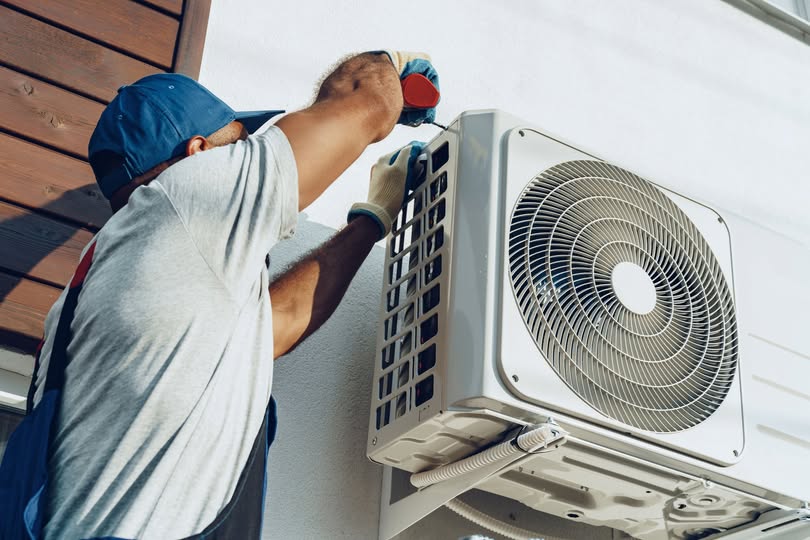
Outdoor units near the coast need careful placement and regular maintenance. Maintain proper clearances around the condenser, keep mulch and vegetation away from the coil, and rinse salt residue from exterior surfaces with fresh water when appropriate. Avoid pressure washers because they can bend delicate coil fins. Corrosion resistant fasteners, manufacturer approved protective coatings, and weather resistant electrical components can help equipment withstand coastal exposure. Summer storms and electrical disturbances also make surge protection worth considering. In areas vulnerable to flooding or high winds, an elevated equipment pad and properly installed storm protection can reduce the risk of damage.
Indoors, treat the condensate system as an important part of the HVAC installation. A properly sloped drain line, accessible cleanout, correctly installed trap where required, and functioning float switch can help prevent hidden water damage. Regularly checking and clearing the condensate line and inspecting secondary drain pans can keep water moving properly. Seasonal evaporator coil inspections are also important. A clean coil supports efficient heat transfer, stable operating temperatures, and better moisture removal, particularly when the equipment is configured for longer cooling cycles.
Build Your HVAC Plan Around Moisture Control
In Panama City’s climate, comfort depends on the relationship between temperature, humidity, airflow, and equipment durability. Start with humidity, then build the system around it. Confirm duct tightness and airflow, choose equipment capacity and staging that support longer and more effective cooling cycles, and plan ventilation so outdoor air does not introduce unnecessary moisture. Where humidity remains difficult to control, a whole home dehumidifier can provide additional support. Protect outdoor equipment from salt exposure and storms, and keep the condensate system clean and functional. With these elements working together, indoor spaces can feel more comfortable, surfaces can stay drier, and the HVAC system can operate more effectively in Panama City’s demanding coastal environment.