

In the Wiregrass, the first chilly morning can arrive suddenly after weeks of lingering humidity. When that happens, many homes around Dothan, Ozark, Enterprise, Abbeville, and Headland switch their systems from cooling to heating overnight. That rapid change is often when small issues turn into major headaches, such as a heat pump struggling with defrost, a furnace shutting down because of an ignition or sensor problem, or a clogged condensate drain causing water damage in an attic. A short and methodical check before you need heat can help prevent surprises, protect equipment, and keep utility bills under control. The guidance below focuses on practical steps homeowners can safely take and clear warning signs that call for a technician’s seasonal inspection.
-
Set the Thermostat and Confirm the System Really Heats
Switch the thermostat to Heat and set a modest temperature increase of about 2 to 3 degrees. On some heat pump systems, a large temperature increase can bring on auxiliary electric heat, depending on the thermostat and equipment settings. If you use a smart thermostat, review its heat pump configuration, especially auxiliary heat settings and balance point controls, so the system operates as intended. Place a simple room thermometer several feet away from a supply register. If the thermostat reaches its setting but the room still feels several degrees cooler, there may be a calibration issue, airflow restriction, or another comfort problem. Run the system long enough to confirm that warm air reaches the rooms and that the blower cycles normally.
A brief preseason Heating and Cooling Service can identify a miscalibrated thermostat, electrical control problem, or heat pump reversing valve that does not shift properly during the first heating call. If you have dual fuel equipment, ask the technician to confirm the outdoor temperature at which the gas furnace takes over from the heat pump and verify that the outdoor temperature sensor is reading accurately.
-
Replace Filters and Protect Airflow Through Returns and Supplies
Check the return grille and replace the air filter if it is dirty, using the correct size and a filtration level suitable for your system. Higher MERV filters capture smaller particles but can increase static pressure if the ductwork or filter area is undersized. Excessive restriction may raise blower workload, reduce airflow, and contribute to comfort or equipment problems. Instead of choosing a filter based only on the highest available MERV rating, follow the equipment manufacturer’s recommendations or ask a technician which option fits your system.
Do not close multiple supply registers in rarely used rooms or cover them with magnetic vent covers unless the HVAC system was specifically designed for that type of airflow adjustment. Closing vents can increase static pressure and reduce overall system performance. If a Headland homeowner hears whistling near a return grille and notices uneven heating between rooms, a dirty filter, blocked return, duct restriction, or leakage near the plenum may be responsible. Cleaning a heavily loaded blower wheel and correcting airflow balance can often improve both comfort and noise, but internal equipment cleaning should be handled by a qualified technician.
-
Clear and Inspect the Outdoor Unit Before Cold Weather Arrives
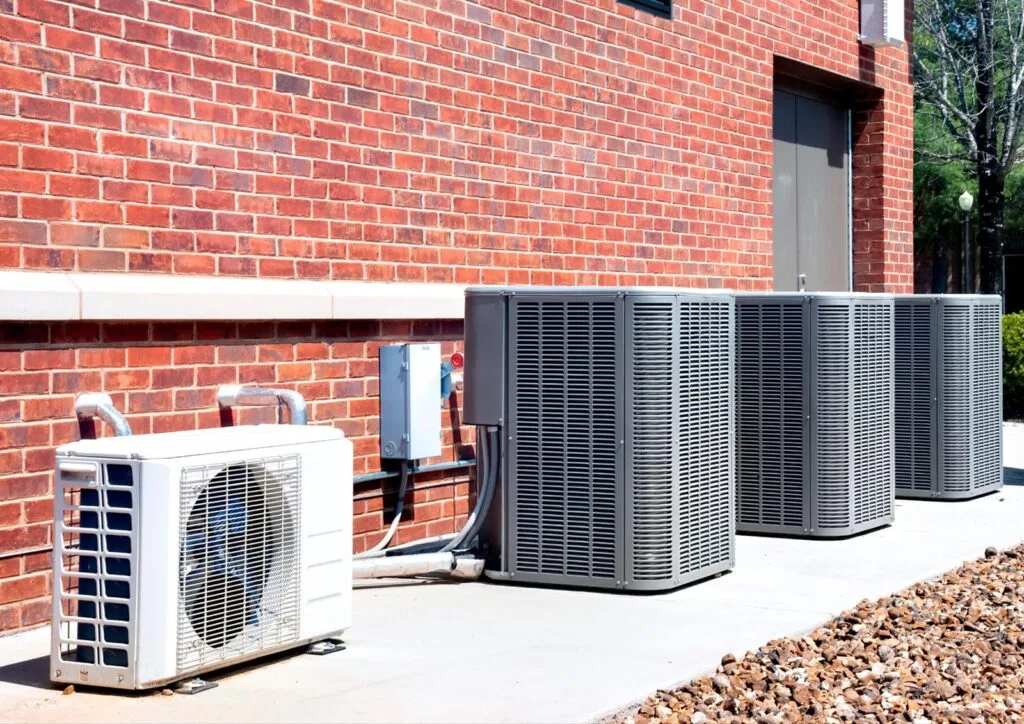
For heat pumps, remove leaves, grass clippings, pine straw, and other debris from around the outdoor unit while keeping the manufacturer’s required clearance on all sides. Restricted airflow can reduce heat transfer and make the system work harder. During operation in heating mode, you may occasionally see steam coming from the outdoor unit during a defrost cycle and hear the reversing valve shift. This brief cloud of vapor is generally normal. A heavy layer of ice that remains on the coil, repeated icing, or a fan blade striking ice is not normal and should be evaluated by a technician.
If your thermostat has an Emergency Heat setting, do not use it as a routine test unless your equipment instructions specifically recommend doing so. Emergency heat can rely heavily on electric resistance heating and increase energy use. If you suspect that backup heat is not working correctly, professional testing is safer and more reliable.
Inspect visible refrigerant line insulation between the outdoor unit and indoor equipment. Damaged or missing insulation can reduce system efficiency and should be repaired with material appropriate for HVAC applications. Make sure the outdoor unit remains stable on its pad and that nearby downspouts do not direct water toward the equipment. If you notice damaged wiring, loose connections, or signs of animal activity around the unit, avoid handling electrical components and arrange service.
-
Manage Moisture: Condensate, Humidity, and Fan Settings
Even during fall, South Alabama can remain humid. Check the visible condensate drain area around the air handler or furnace coil box for water, staining, or signs of blockage. If your system has an accessible cleanout, follow the manufacturer’s recommended maintenance procedure rather than adding chemicals without confirming they are appropriate for the drain materials and equipment. If water collects in a secondary drain pan or around the air handler, shut the system down and arrange service before ceiling or structural damage develops.
During shoulder season, large thermostat setbacks can contribute to indoor comfort changes when the system later works to recover the temperature. If the fan is set to On during cooling periods, air moving across a damp evaporator coil may return some moisture to the home after the compressor stops. Using the Auto setting is generally more appropriate unless your system or indoor air quality equipment requires another configuration.
If indoor relative humidity remains consistently high, ask an HVAC professional whether thermostat settings, duct leakage, airflow, or dedicated dehumidification should be evaluated. South Alabama’s mild but humid shoulder seasons can create periods when the air conditioner does not run long enough to manage moisture effectively.
-
Furnace and Auxiliary Heat Safety Checks You Should Not Skip
If your home uses a gas furnace, start with safe exterior checks rather than opening burner compartments. Replace a dirty filter, confirm that supply and return openings are clear, and listen for normal startup operation. If the furnace repeatedly shuts down, produces unusual odors, makes unfamiliar noises, or shows an error code, stop operating it and arrange professional service. Combustion problems, ignition faults, blocked venting, and damaged heat exchangers require proper testing equipment and should not be diagnosed through flame appearance alone.
Inspect visible vent piping only from the outside and look for obvious damage, separation, or obstruction. Test carbon monoxide detectors and replace batteries when needed. Electric air handlers with auxiliary heat can also develop problems with controls, relays, or heating elements. Persistent burning odors, repeated breaker trips, unusually high electric bills, or auxiliary heat that seems to run constantly are reasons to schedule service.
If a furnace locks out repeatedly or a heat pump cycles on and off unusually often, avoid deeper troubleshooting. A technician can inspect the flame sensor, ignition system, control board, electrical components, refrigerant performance, and airflow using appropriate procedures.
Prepare Before the First Cold Morning
A little attention before the first cold snap can make a major difference in South Alabama’s combination of humidity and rapid temperature changes. Clear airflow, appropriate thermostat settings, proper drainage, and safe heating operation can help protect both comfort and equipment in homes from Ozark to Enterprise.
If a test run reveals unusual odors, frequent auxiliary heat operation, persistent icing, water near the indoor unit, or rising energy use, do not wait for the next cold morning to investigate. Record model numbers, filter sizes, thermostat messages, and the symptoms you observed. Then schedule a preseason inspection so a technician can address developing problems before demand rises and heating systems across the region begin running regularly.