

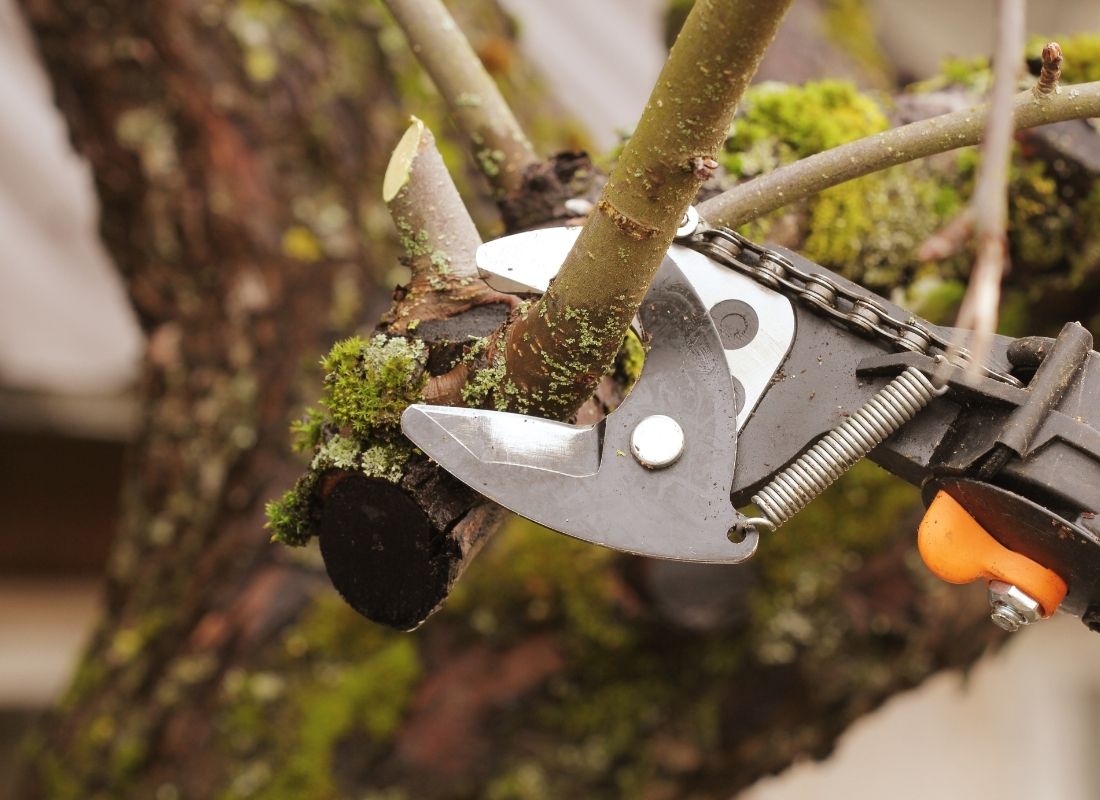
Every homeowner eventually faces the question: is this troubled tree worth saving, or is removal the safer path? The decision rarely hinges on one symptom. It usually comes from a pattern of warning signs and site constraints, like a widening trunk crack over a driveway, fresh lean toward a neighbor’s fence, or limbs draped near energized service lines. Understanding how defects, targets, and access conditions interact will help you choose a plan that protects people, structures, and the rest of your landscape. This article offers a practical framework rooted in specific field cues, rather than a one-size-fits-all checklist.
-
Safety Thresholds That Push a Tree Past Pruning
Certain structural red flags point past corrective pruning and toward removal. Basal decay often shows up as conks or mushrooms at the root flare, sometimes with soft wood and a hollow sound when tapped with a mallet. A new, noticeable lean after a storm, paired with heaving soil or uplifted roots on the opposite side, signals root plate instability that pruning cannot fix. Deep longitudinal cracks, a split union in co-dominant stems with included bark, or large, advanced cavities reduce the trunk’s load-carrying capacity. Severe crown dieback and dense epicormic shoots can indicate systemic decline rather than an isolated branch problem.
When several of these defects appear alongside a clear target zone, like a roof, patio, or play area under the drip line, removal becomes a risk-reduction decision rather than an aesthetic one. A qualified arborist may use tools like a sounding hammer or a resistograph to evaluate shell thickness around cavities, but red flags such as active fungus at the base, torn-out branch collars, and fresh root movement often speak for themselves. Coordination matters, too. Many reputable crews schedule estimates, dispatch, and job updates through a Mobile office, which helps you confirm timing, gate access, and staging before the first rope is set.
-
Site Constraints That Shape the Choice
Even a borderline tree can tip toward removal when the site stacks the odds against safe retention. Limited drop zones near garages or decks often preclude felling and require sectional dismantling using rigging lines and friction devices. Proximity to primary or service utility lines may require utility coordination and narrow the work window. Tight gates, steep slopes, septic fields, or delicate hardscapes can limit equipment options, from mini-loaders to compact tracked lifts. In some cases, a crane reduces shock loads on the trunk and surrounding structures, but it needs overhead clearance and ground protection mats to prevent lawn ruts. Local permit rules and neighborhood covenants can also dictate timing, especially during nesting periods or due to street tree right-of-way requirements.
-
Two Real-World Scenarios: Leaning Pine and Storm-Split Maple
Scenario one: a mature pine develops a fresh lean toward a shared fence after a wind event. You notice expanding soil cracks on the uphill side and resin weeping from a long mid-trunk fissure. Even though only a few lower limbs are dead, the combination of root plate disturbance and a defined target makes pruning irrelevant. The practical plan is a controlled dismantle using a climber’s high tie-in, load-rated rigging points, and a ground crew managing a lowering line through a bollard to protect the fence. Small rounds go to the chipper; larger logs are staged on mats to avoid turf damage.
Scenario two: a silver maple over the driveway has co-dominant stems with included bark, and a lightning storm opens a deep seam along the union. Retaining the tree with cabling and reduction pruning might be an option in mild cases, but a tear-out that compromises the attachment changes the calculus. With cars, a basketball hoop, and overhead service lines in play, crane-assisted removal becomes the safer choice. The crane keeps swinging radii controlled while riggers cut and set slings below the crack to avoid shock loads. The job is timed ahead of the next forecasted wind, reducing exposure while the union is still holding.
-
After the Decision: Stumps, Soil, and Replanting
Removal is not the last decision. Stump strategy affects safety and site recovery. Grinding the stump reduces trip hazards and root sprouting, but it produces a mound of wood chips that should be raked out and replaced with topsoil for settling and reseeding. In low-traffic back corners, some owners leave a reduced-height snag for wildlife habitat, but only where no structures or play areas sit within the fall arc. Before grinding or trenching for irrigation repairs, always confirm the locations of underground utilities and irrigation layouts to avoid cable nicks or pipe breaks. If replanting, match mature height to site constraints, especially under lines, and establish a mulch ring over the root zone to protect new feeder roots from mower damage.
-
Preparing Your Property for a Safe Removal Day
Good prep reduces job time and protects your yard. Move cars off the driveway if the chipper or log truck will stage there, and clear furniture, grills, and planters from the anticipated drop zone. Unlock gates, secure pets indoors, and flag sprinkler heads and low-voltage lighting with bright markers so crews can set ground protection without breaking fixtures. Note any septic lids, utility boxes, or soft landscape edges where heavy rounds could sink. If branches extend over a neighbor’s side, give them a heads-up and confirm fence access in writing. When crane work or tight rigging is planned, expect plywood or composite mats to protect turf, and ask where brush will be chipped and where logs will be stacked before haul-off or cutting to firewood length.
Ultimately, the removal decision comes from the connection among condition, target, and access. Advanced basal decay, new lean with root movement, or a major structural split near a driveway should take precedence over incremental pruning. Site realities like utility clearance, narrow access, and limited drop zones steer how the work is done, from rope rigging to crane picks. By reading concrete signs in the wood and planning logistics on the ground, you can choose a plan that reduces risk, restores usable yard space, and sets the stage for replanting a well-sited, long-lived tree.