

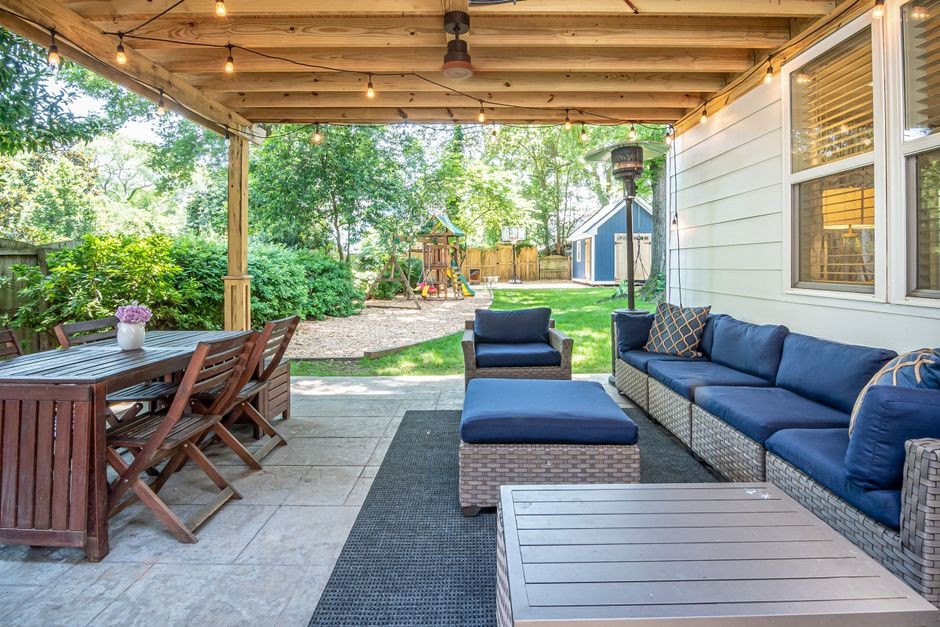
Your deck in Plainfield can become the spot where ordinary days feel a little better. It’s where you sip coffee in socks, hand out ice pops, and pretend you’re outdoorsy because you moved dinner outside once. The trick is planning a space that fits your real routine, not just a pretty photo. If you want a deck that gets used instead of ignored, a few smart choices about layout, materials, comfort, and safety can make a huge difference.
Start with real life
Before you think about railing styles or plant pots, think about what actually happens at your house. Do you eat outside often, or mostly use the yard while kids run laps like tiny caffeinated raccoons? Your answers should shape the deck from the start.
If you’re gathering ideas and comparing a deck company in Plainfield it helps to know what you need the space to do. A family that grills twice a week needs something different from a couple who wants a quiet reading corner.
Think about your daily patterns. Maybe you need room for a table, a safe place for little ones, or an easy path to the garden. When you start with real life, the deck feels useful right away. That’s usually the difference between a nice-looking deck and one everyone claims as their favorite part of the house.
Pick the right layout
A good deck layout feels easy to move through. You shouldn’t have to sidestep chairs, squeeze past a grill, or perform a weird balancing act while carrying lemonade. Even a small deck can work well if each area has a purpose.
Start with the door leading outside. That traffic path should stay open. From there, picture where people will sit, eat, and gather. If you have space, create loose zones. One area might hold a dining table while another has a bench or two lounge chairs.
Also think about the yard. If kids head straight for the grass, don’t make them weave through furniture. If you garden, leave a clear route to beds or pots. Corners can work well for planters, storage benches, or a compact reading nook.
You don’t need fancy design tricks. You just need enough room for movement and a layout that matches how your family naturally spills outdoors.
Choose easy materials
This is where practicality wins. Some materials look lovely at first and then demand more attention than a needy houseplant. Others cost more upfront but save you time later. The best pick depends on your budget and how much upkeep you can honestly handle.
Traditional wood has warmth and charm. It can look beautiful, especially in classic family gardens. But it usually needs regular sealing or staining, and it may splinter as it ages. If you like weekend projects, that may be fine. If not, be honest with yourself.
Composite decking is popular for a reason. It tends to resist fading, moisture, and splinters better than standard wood. It’s also easier to clean, which matters when juice spills, muddy footprints, and snack crumbs enter the chat.
When comparing options, keep these points in mind:
– How hot the surface gets in summer
– How much cleaning it needs
– Whether it feels smooth and safe barefoot
– How well it handles rain and shade
The easier the material is to live with, the more likely you are to enjoy the deck instead of constantly managing it.
Make it feel cozy
A deck doesn’t need a huge budget to feel inviting. Comfort usually comes from simple layers that make the space feel lived in, not staged. Think of it like decorating a small outdoor room instead of just placing furniture and hoping for the best.
Start with seating that encourages people to stay a while. That could mean cushioned dining chairs, a compact outdoor sofa, or even two sturdy chairs with a small table between them. Add an outdoor rug to soften the look and help define the space.
Lighting changes everything. String lights, solar lanterns, or soft wall lighting can make the deck feel warm and welcoming after sunset. Planters add color without much effort, and storage benches are great for hiding toys, cushions, or the mystery items every family somehow collects.
A few easy comfort upgrades include:
– Shade from an umbrella or pergola
– Blankets for cool evenings
– Weather-friendly cushions
– A tray or side table for drinks
The goal isn’t perfection. It’s making the space feel like somewhere you’d actually want to hang out on a Tuesday.
Think about safety
Safety doesn’t have to ruin the look of your deck. In fact, the smartest safety details often make the space feel more comfortable and polished. You just want to catch little problems before they become big annoyances or actual hazards.
Railings should feel sturdy and the spacing should make sense for children and pets. Stairs need to be easy to see and use, especially if people are carrying food or moving around in the evening. Good lighting helps more than many homeowners expect.
Slip resistance matters too. Rain, spilled drinks, and morning dew can all make surfaces slick. Textured materials or finishes can help. If you use outdoor rugs, make sure they stay flat and secure instead of curling up like they’re plotting something.
If you have younger children, think about furniture placement near edges and stairs. For dogs, consider how paws grip the surface and where water bowls can sit without becoming a tripping point. A safe deck is usually a more relaxing deck because you’re not constantly saying, “Watch out!” every five minutes.
Plan for every season
The best decks aren’t just for one perfect summer weekend. They work across changing weather and shifting routines. With a little planning, you can stretch outdoor time from early spring to crisp fall evenings without turning the space into a giant maintenance project.
Start with flexible basics. Furniture covers help pieces last longer and cut down on cleaning. Stackable chairs or foldable extras give you options when guests stop by. A storage bench can hold cushions when rain shows up uninvited.
Think about how the deck feels in different conditions. A shady corner may be wonderful in July but chilly in September. Lightweight throws, portable lighting, and movable planters let you adjust the mood without redoing the whole space.
A few small habits keep things usable longer:
– Sweep leaves and dirt often
– Wipe down furniture before buildup starts
– Check for loose boards or wobbly spots
– Store soft items during rough weather
When your deck is planned for real life and real seasons, it becomes more than a nice feature. It becomes part of how your home works, which is kind of the whole point.