

Custom jewelry has a way of doing two jobs at once. It gives you something beautiful to wear, and it tells a story people actually remember. That matters in business more than many people think. In a market full of look-alike products, personal design stands out fast. Whether you sell, gift, or wear it, custom jewelry feels less like a thing off a shelf and more like a tiny billboard for meaning. And unlike a boring business card, this one can sparkle.
Why custom matters
When you choose a piece made just for you, it instantly feels different from something pulled from a display case. The design reflects your taste, your moment, and often your budget too. That’s why many buyers look for a premier custom jeweler when they want a ring, necklace, or heirloom with real personality.
Custom work also makes the buying experience feel more human. You’re not just pointing at item number 47 and saying, “Yep, that one.” You get to ask questions, share ideas, and help shape the final result. For businesses, that same feeling matters. People remember brands that offer care, attention, and personal service. Jewelry is small, but the message it sends is big. It says you value quality over shortcuts and meaning over mass production.
Meaning sells better
People don’t usually get excited about generic things. A custom piece has a built-in story, and stories are what stick. Maybe a pendant includes a birthstone from a child’s birthday. Maybe a ring echoes a grandparent’s vintage style. Maybe the design marks a promotion, an anniversary, or a fresh start after a hard year.
That emotional layer gives the piece more staying power. It isn’t only about the stone or the metal. It’s about what it represents. That makes custom jewelry easier to talk about, easier to gift, and much more likely to be treasured.
For a business-minded reader, this is the key lesson. Meaning creates connection. Connection creates loyalty. If someone feels a product reflects their life, they’re more likely to recommend it and come back later. A custom piece becomes a conversation starter, and free word-of-mouth is the kind of sparkle every brand likes.
From idea to piece
The process sounds fancy, but it’s usually pretty simple when handled well. It often begins with an idea, and that idea doesn’t need to be perfect. You might bring a photo, a sketch, a family stone, or even a vague thought like, “I want something modern, but not too shiny-shiny.” That’s enough to start.
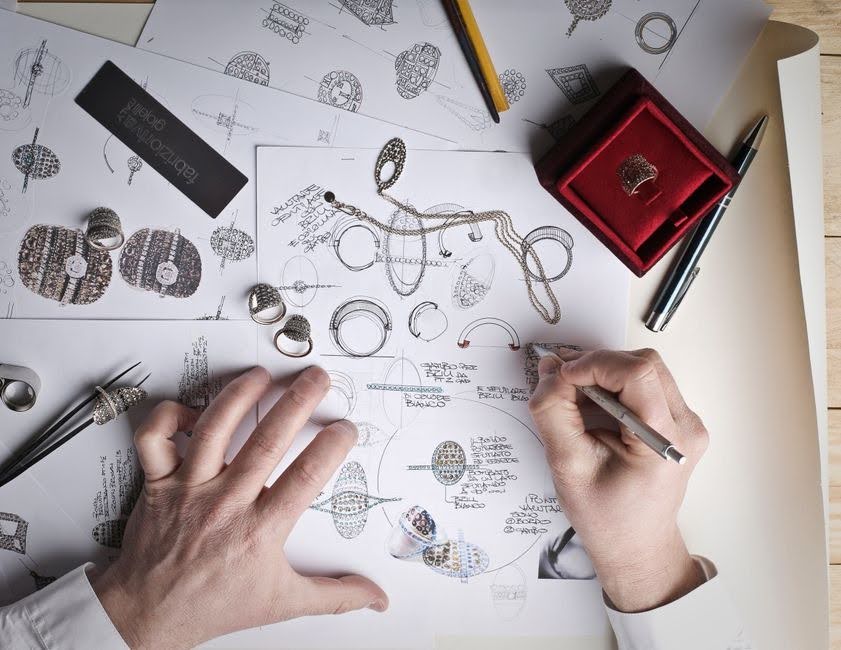
From there, the jeweler helps shape the concept. You talk about style, metal, gemstones, size, and budget. Some designs begin with hand sketches, while others move to digital mockups. Then comes refining the details so the piece looks good and feels wearable, not like a tiny sculpture that snags every sweater you own.
A realistic timeline also matters. Custom work takes planning, sourcing, and careful production. Good jewelers explain the steps clearly, give updates, and help you avoid last-minute panic. The best experience feels collaborative, not confusing.
Who buys custom
Custom jewelry isn’t just for luxury shoppers or people planning giant proposals in dramatic weather. Plenty of everyday buyers choose it for practical and personal reasons. Couples often want engagement rings or wedding bands that don’t look like everyone else’s. Gift buyers use custom design to create something memorable for birthdays, anniversaries, and major milestones.
Professionals also buy custom pieces to mark career wins, retirement, or business achievements. A thoughtful bracelet or signet ring can celebrate years of work in a way that feels lasting. Then there are families who redesign inherited jewelry so it can actually be worn instead of sitting in a box like a sleepy little treasure.
That wide audience is part of what makes custom jewelry such an interesting business category. It serves emotion, style, and function all at once. You’re not selling only an accessory. You’re helping someone mark a moment they care about.
What quality looks like
You don’t need gemology classes to spot good custom work. A few signs usually tell you a lot. First, communication should be clear. If a jeweler listens well, answers questions, and explains options without acting mysterious, that’s a strong start. Confusion may be trendy in modern art, but it’s not helpful in jewelry orders.
Craftsmanship shows up in the finish and fit. Stones should look secure. Edges should feel smooth. Proportions should make sense for real-life wear. A giant stone on a whisper-thin band might look dramatic, but drama belongs in TV finales, not in repair bills.
Material sourcing matters too. Buyers often want to know where metals and stones come from and whether alternatives are available. A good jeweler can explain those choices simply. Quality also means balancing beauty with durability. The best custom piece isn’t just pretty on day one. It’s built to last through daily life.
A smart business edge
Custom jewelry has a strong advantage in business because it gives people a reason to care. Mass-produced items compete on price and speed, which is a race that gets exhausting fast. Custom pieces compete on meaning, service, and trust. That’s a much stronger lane if you want long-term customers.
When buyers feel included in the process, they become more invested in the outcome. They often share the story with friends, post photos, and send referrals your way without needing much of a nudge. That kind of loyalty is hard to buy with ads alone.
It also helps a brand stand out. In a crowded marketplace, personal service becomes part of the product. You’re not just offering jewelry. You’re offering collaboration, memory-making, and craftsmanship people can point to for years. That’s good for the customer and smart for the business. When a product feels personal, it keeps working long after the sale. That’s not just shine. That’s strategy with a little extra sparkle.