

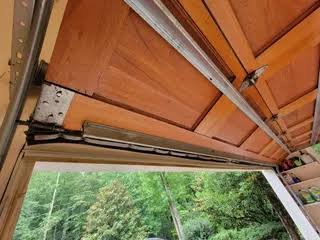
The car is in the garage, the door lifts a few inches and stops, and someone has to leave for work. The search they type is probably “my garage door won’t open.” Meanwhile, the company equipped to take that call lists the job under spring replacement, opener repair, or general garage door repair. The SEO team at www.garagify.net/ helps garage door businesses close that gap between the words customers search for and the names of the services they offer.
Start with the words customers use on the phone
Ask whoever answers the phone to write down how callers describe the problem before anyone suggests a cause. “It hums but won’t lift” is worth recording exactly as the caller says it. So is “it only opens a few inches.” Those phrases give you a starting list for keyword research that reflects the jobs your crew handles.
Compare that list with the search queries already bringing people to your service pages. If searches about doors that stop halfway are landing on an opener installation page, look at what those readers find. A page about choosing a new motor leaves the person with a stuck door looking for an answer. The queries also give you a starting point for competitor research. See which results explain what a repair visit involves and where they leave questions unanswered.
Give the symptom a place on the right page
A general garage door repair page is a sensible home for “my garage door won’t open” because the homeowner is still working out what happened. Describe the symptoms technicians hear about most often, explain what an inspection covers, and make it easy to request a service visit. A dedicated spring replacement page serves readers who already suspect a broken spring. A page about opener installation serves people shopping for a replacement and gives them room to compare options such as chain-drive and belt-drive models.
Picture a homeowner whose door stays shut even though the opener hums. They decide to contact Your Garage Door Pro to schedule a repair visit and find out what the job will cost. The technician checks the opener, springs, and door hardware before recommending any work. If a torsion spring has failed, the estimate explains the replacement and what the parts and labor cost. If the problem is a failed opener, the conversation turns to repairing it or installing a replacement. If the door has shifted after an impact, the technician looks at the damage and alignment before deciding what needs attention. That sequence gives a repair page something concrete to explain. The homeowner gets an idea of what happens after they call, even if all they know right now is that the door is stuck.
Fun fact: “My garage door won’t open” and “my garage door won’t close” differ by a single word. That word changes the scene entirely. One person is trying to get a car out. The other is trying to secure the garage before leaving.
Check what happens after someone finds the page
Once the content matches the search, give the page a technical SEO check. Make sure search engines are able to find and index it, and follow its internal links to check for broken destinations. Open the page on a phone and see how long it takes before you find a way to contact the company. A reader standing in the garage should be able to reach the service desk without scrolling through a gallery of new doors.
Local SEO matters here, too. Check that the services listed on your business profile match the work your technicians take on and that the phone number reaches the person who schedules repairs. Then track organic calls and form submissions by the page that generated them. Ask the service desk which inquiries turned into booked work. If the repair page is bringing in calls about doors that won’t open, listen for the first question those callers ask. It might be how soon someone is available, what the inspection costs, or what happens if a part needs to be ordered. Put that answer where the next person looking at a stuck door will see it.