

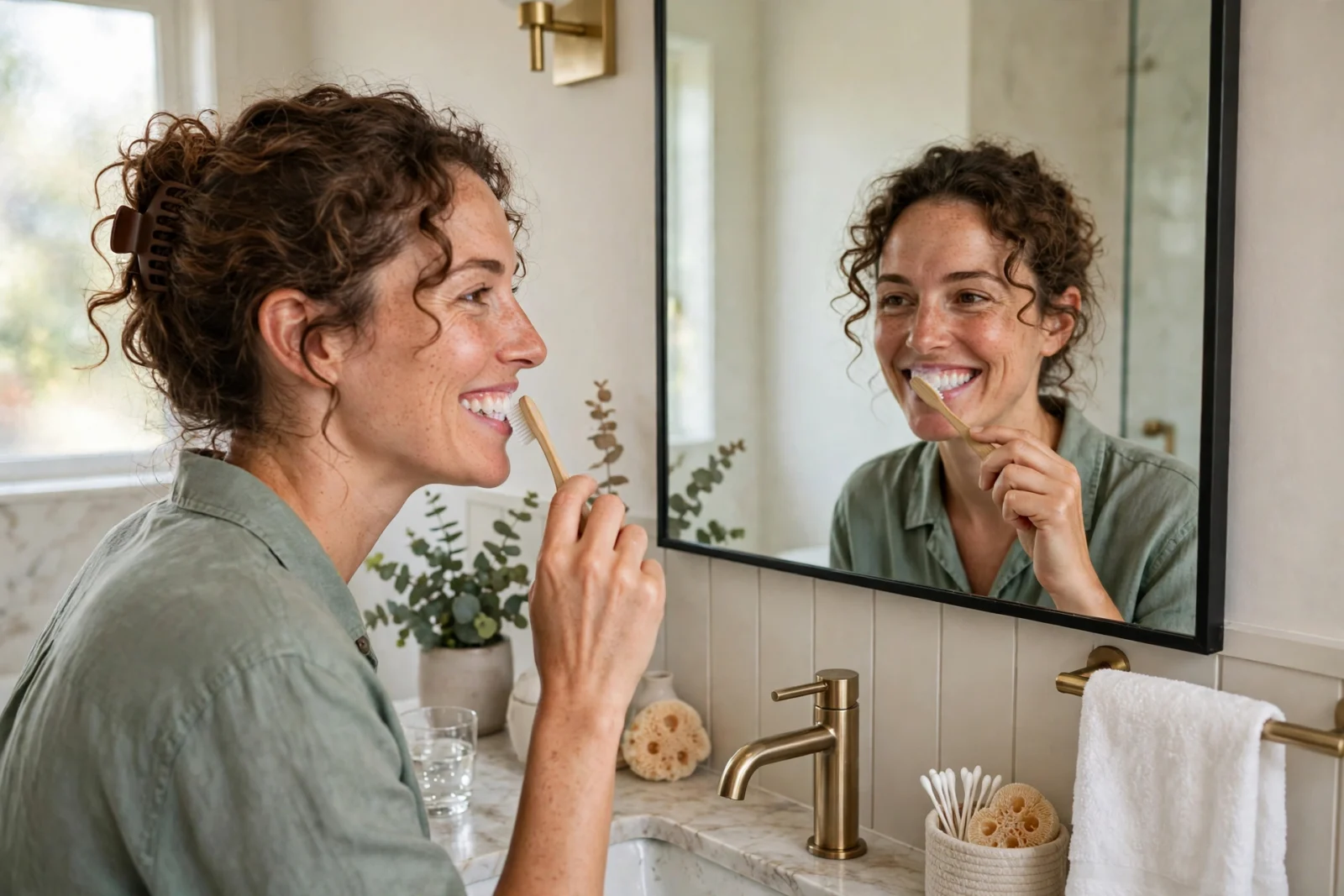
You paid for a brighter, straighter, more even smile because you wanted to feel good when you talk, laugh, and see yourself in photos. Then real life takes over. Coffee happens. Stress happens. Teeth grinding at night happens. A cosmetic treatment can look great on day one, but daily habits decide how long that result stays with you. A cosmetic dentist in Romeo can also help you protect and maintain those results over time.
If you have veneers, bonding, whitening, or clear aligner results you want to protect, you are not overthinking it. Cosmetic work is an investment, and it makes sense to want it to last. The good news is that a few steady habits do more than expensive products and quick fixes. A smile friendly routine for cosmetic dentistry usually comes down to keeping enamel clean, reducing stain exposure, avoiding wear, and staying ahead of dry mouth and gum problems.
Daily wear and stain buildup shorten the life of cosmetic dental work
Most cosmetic dental procedures do not fail all at once. They fade, stain, chip, loosen, or stop matching the surrounding teeth over time. That can feel frustrating because the damage often comes from ordinary routines that do not seem serious in the moment. A whitening treatment loses ground after repeated dark drinks. Bonding can chip from chewing ice. Veneers can look less natural if the gums become inflamed.
You may already know the obvious culprits, but the quieter ones matter too. A dry mouth changes the balance in your mouth and raises the risk of decay and irritation. The National Institute of Dental and Craniofacial Research explains that dry mouth can increase the risk of cavities, gum disease, and mouth infections. That matters for cosmetic results because healthy gums and healthy tooth structure support everything placed on top of them.
Tobacco is another common reason cosmetic work ages faster than expected. The CDC notes that tobacco use harms oral health, contributing to staining, gum disease, and delayed healing. If you have had whitening, veneers, or bonding, tobacco can work against the look you paid for and the tissues that help hold that look in place.
None of this means you need a perfect routine. It means your everyday choices either protect your investment or wear it down little by little. That is why many people searching for habits that protect cosmetic dental work are really asking a deeper question. How do I keep my smile looking natural without turning oral care into a second job?
Five smile friendly habits help cosmetic results last longer
1. Brush and floss with consistency, not force. Scrubbing hard does not clean better. It can irritate gums and wear surfaces. Use a soft toothbrush, a nonabrasive toothpaste if your dentist recommends one, and floss every day. Healthy gums frame cosmetic work, and clean margins help veneers, crowns, and bonding keep their polished look.
2. Rinse after coffee, tea, red wine, and soda. You do not need to give up everything you enjoy. A quick rinse with water lowers how long pigments and acids sit on your teeth. If you can, use a straw for iced drinks. Small habits like this help whitening last longer and reduce staining around bonding and enamel edges.
3. Wear a night guard if you grind. Clenching and grinding can chip bonding, stress veneers, and wear natural enamel around cosmetic work. Many people do this in their sleep and only notice when they wake up with jaw tension or see tiny changes at the edges of their teeth.
4. Treat dry mouth early. Medications, dehydration, mouth breathing, and stress can all reduce saliva. Saliva protects teeth and helps wash away food and acids. If your mouth feels sticky, your lips feel dry, or you sip water all night, bring it up with your dentist. This is not a minor comfort issue. It affects the lifespan of your dental work.
5. Keep up with cleanings and touch up visits. Cosmetic dentistry holds up best when routine care stays on schedule. Professional cleanings remove buildup you cannot fully reach at home, and regular exams catch small issues before they become repairs or replacements. Basic oral health guidance from MedlinePlus on dental health supports the same idea. Prevention costs less than fixing damage later.
Small choices now reduce repairs later
People often think damage comes from one big mistake. More often, it comes from repetition. Biting pens during work calls. Chewing ice after lunch. Using whitening strips too often because a shade change starts to bother you. Skipping cleanings because nothing hurts. Cosmetic improvements usually age well when the habits around them stay steady.
| Habit | Helps Cosmetic Work Last | Common Risk if Ignored |
|---|---|---|
| Soft brushing and daily flossing | Reduces plaque, protects gums, keeps margins clean | Gum inflammation, staining, decay around restorations |
| Rinsing after staining drinks | Lowers contact with pigments and acids | Faster discoloration after whitening or bonding |
| Night guard for grinding | Protects veneers, bonding, and enamel edges | Chips, cracks, bite wear, jaw soreness |
| Managing dry mouth | Supports saliva protection and comfort | Cavities, irritation, gum problems, bad breath |
| Regular dental visits | Catches small issues early and maintains appearance | More expensive repairs or replacement treatment |
Three practical steps you can start today
Switch to a protective home care setup. Use a soft bristle brush, floss or interdental cleaners, and ask your dentist whether your toothpaste is safe for whitening, veneers, or bonding. If your current products leave your teeth sensitive or your gums sore, that is worth changing.
Track the habits that mark up your smile. For one week, notice how often you sip coffee slowly, chew hard objects, clench during stress, or go hours without water. Most people are surprised by what repeats. Once you see the pattern, the fix becomes simpler and more realistic.
Book maintenance before something feels wrong. A family and cosmetic dentist can check bite pressure, polish surface stains, monitor gum health, and spot early wear before it turns into a visible problem. This is one of the easiest ways to support long lasting cosmetic dental results.
A healthy smile routine protects the work you already love
You do not need a complicated plan to keep your smile looking good. You need habits that fit your life and protect the result you already paid for. Gentle cleaning, less stain exposure, protection from grinding, attention to dry mouth, and regular care from a cosmetic dentist all make a real difference.
If your cosmetic dental work is starting to look dull, uneven, or worn, or you want help building a routine that keeps it in good shape, schedule a visit with a family and cosmetic dentist.