

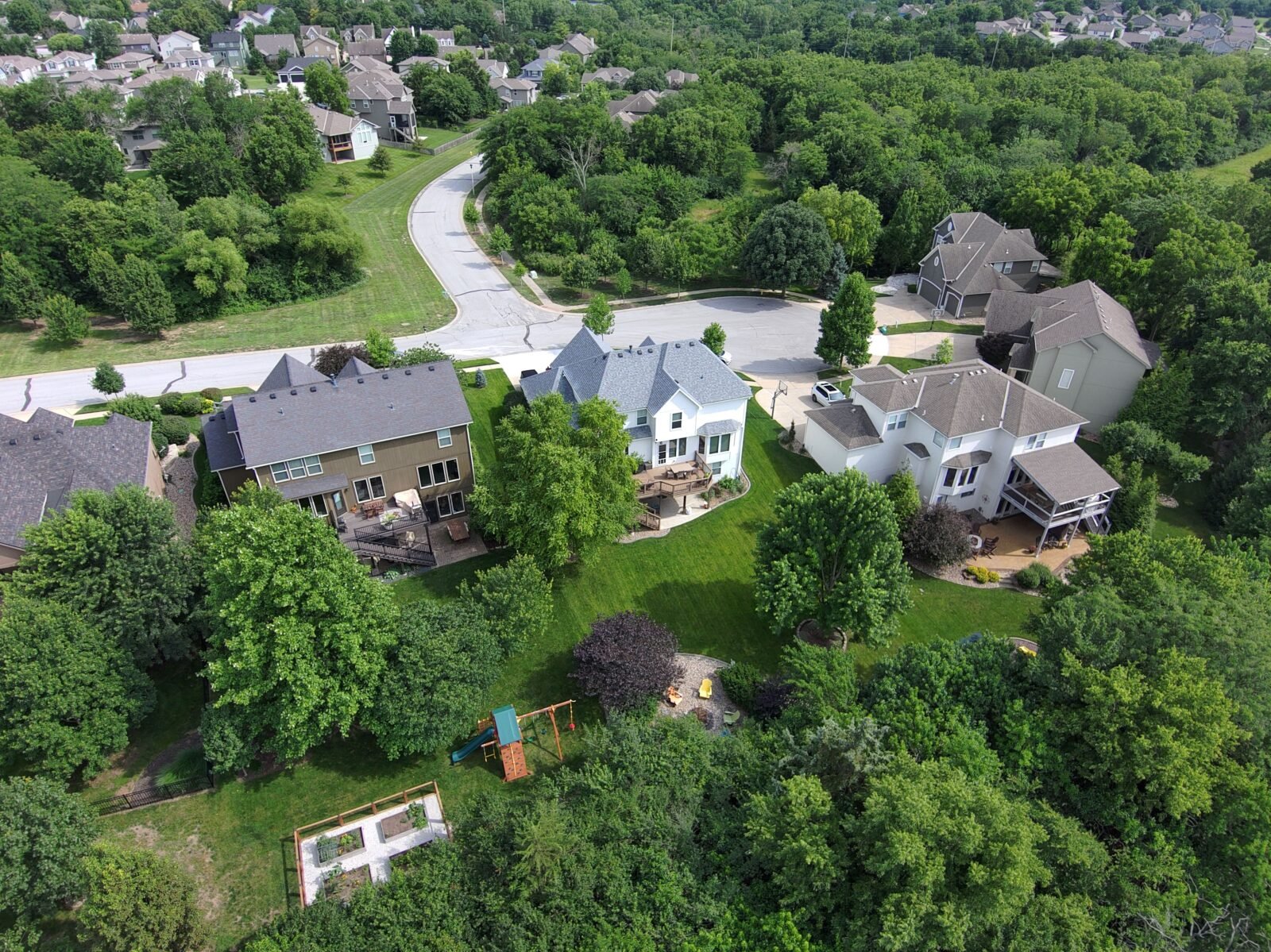
Your roof is easy to overlook until a leak, missing shingles, or storm damage demands attention. In Overland Park, changing weather conditions, hail, strong winds, and seasonal temperature fluctuations can make roof maintenance particularly important. However, deciding whether to repair or replace a roof involves more than examining visible damage. Its age, ventilation, underlying structure, materials, insurance considerations, and installation quality all influence the decision. Understanding these factors before requesting estimates can help you avoid unnecessary expenses and make a replacement project more manageable.
Look Beyond the Damage You Can See
A missing shingle or ceiling stain may be the first indication that something is wrong, but visible damage rarely tells the entire story. Water can travel beneath roofing materials and affect the underlayment, decking, insulation, and interior surfaces before a leak becomes obvious.
Start with a visual inspection from the ground. Look for curled or missing shingles, damaged flashing, excessive granules in gutters, sagging sections, and debris collecting around roof valleys. Inside, check accessible attic areas for damp insulation, discoloration, musty odors, or signs of water penetration.
Avoid climbing onto a potentially damaged roof yourself. Some problems require professional inspection, particularly after severe weather. Hail can damage roofing materials without immediately creating an obvious opening, while strong winds can weaken shingle seals and leave sections vulnerable to subsequent storms.
Decide Whether Repair or Replacement Makes More Sense
Replacing an entire roof is a substantial investment, but repairing every individual problem is not necessarily economical either. The right decision depends on the extent of damage, remaining material life, installation history, and condition of the underlying structure.
A localized problem involving damaged flashing, a small number of missing shingles, or a specific roof penetration may only require targeted repairs. However, widespread deterioration, recurring leaks, brittle shingles, or significant decking damage may justify a complete replacement.
When evaluating options for a roofing contractor in Overland Park, ask for an explanation of the roof’s overall condition rather than accepting an immediate recommendation for replacement. A useful inspection should identify damaged areas, explain the likely causes, and distinguish urgent repairs from longer-term concerns.
Understand What Age and Weather Mean for Roof Life
Roofing materials have different expected lifespans, but age alone cannot determine whether replacement is necessary. Installation quality, maintenance, ventilation, exposure, and previous repairs all influence performance.
Asphalt shingles, for example, can deteriorate through repeated exposure to sunlight, temperature changes, moisture, and wind. Granule loss, curling, cracking, and weakened sealing are potential warning signs. Other materials have different maintenance requirements and failure patterns.
Previous storm damage also deserves attention. A roof that has experienced repeated weather events may have less remaining service life than its age suggests. Keep records of inspections and repairs so that decisions are based on its actual condition rather than a general lifespan estimate.
Check Attic Ventilation Before Choosing New Materials
Roof replacement provides an opportunity to address ventilation problems that may have contributed to premature deterioration.
Poor attic ventilation can allow excess heat and moisture to accumulate. These conditions may affect roof decking, insulation, indoor comfort, and the performance of certain roofing materials. A properly designed ventilation system generally balances air intake and exhaust to support appropriate airflow.
Ask whether the contractor will inspect existing soffit vents, ridge vents, and other ventilation components. Simply installing new shingles without addressing an underlying ventilation problem may leave the original issue unresolved.
The National Roofing Contractors Association provides useful information about roof maintenance, ventilation, and roofing systems. Understanding these components can help homeowners ask more informed questions before approving a project.
Review Insurance Before Authorizing Major Work
Storm damage can introduce an additional layer of complexity because homeowners may need to coordinate repairs with an insurance provider.
Before making permanent repairs, review your policy and understand how it treats different types of damage. Replacement cost coverage and actual cash value coverage can produce different payment outcomes. Deductibles, exclusions, depreciation, and claim deadlines may also affect the final amount you receive.
Document visible damage with photographs when it is safe to do so. Keep inspection reports, repair estimates, receipts, and communication with your insurer. If temporary protection is needed to prevent further damage, discuss appropriate steps with your insurance provider and retain supporting records.
The Insurance Information Institute’s roofing and insurance guidance explains warning signs, contractor selection, and documentation homeowners should consider.
Compare Materials According to Performance
Choosing roofing materials should involve more than selecting a color or following a popular design trend. Different products offer different levels of durability, maintenance requirements, installation complexity, and upfront cost.
Architectural asphalt shingles remain a common option because they offer a balance between affordability and performance. Impact-resistant products may be worth considering where hail exposure is a concern. Metal roofing can offer longevity, although its installation requirements and initial investment differ from conventional shingles.
Ask about wind resistance, impact ratings, fire performance, algae resistance, and manufacturer warranty conditions. Also confirm that the proposed materials are compatible with the roof’s design and pitch.
Remember that a roofing system includes more than its visible surface. Underlayment, flashing, starter strips, ridge caps, and drainage details all contribute to its overall performance.
Evaluate Contractors Beyond Their Estimates
A low price does not automatically represent good value. Compare written proposals that describe the same scope of work so you can identify meaningful differences between contractors.
Check applicable licensing or registration, insurance coverage, references, relevant experience, and manufacturer certifications. Ask who will supervise the project and whether subcontractors will perform any part of the installation.
A detailed proposal should explain:
- Removal and disposal of existing roofing materials.
- Underlayment, flashing, and ventilation work.
- Potential decking repairs and additional costs.
- Material specifications and installation methods.
- Estimated project dates and payment arrangements.
- Cleanup responsibilities and warranty coverage.
Be cautious of pressure to sign immediately or requests for unusually large upfront payments. A professional contractor should be willing to explain the proposed work clearly and provide written terms.
Understand the Warranty Before Signing
Roofing warranties can cover different things, and homeowners should not assume that every problem will qualify for protection.
A manufacturer warranty generally addresses qualifying defects in roofing products, while a workmanship warranty relates to installation. Their durations, exclusions, transferability, and claim requirements may differ considerably.
Ask for copies of both warranties and review the conditions carefully. Confirm whether registration is required and whether specific installation or ventilation requirements must be maintained.
Also clarify who will handle warranty concerns if a problem develops after the installation is complete.
Plan the Project Before Problems Become Emergencies
Waiting until water enters the home can leave homeowners with limited time to compare materials, evaluate estimates, and arrange financing. Planning ahead provides more control over the process.
If your roof is approaching the end of its expected service life, schedule an inspection before obvious failure occurs. Review the findings, compare proposals, and consider how the project will affect household schedules and outdoor spaces.
During installation, protect vehicles, outdoor furniture, and fragile attic belongings. Confirm where materials will be delivered, how debris will be removed, and who will address unexpected damage discovered during tear-off.
After completion, collect the final invoice, warranty documents, permits where applicable, and photographs of the finished work.
Make the Decision With the Whole Roof in Mind
A successful roof replacement depends on more than attractive shingles or the lowest estimate. It requires an accurate assessment, suitable materials, proper ventilation, qualified installation, and a clear understanding of costs and warranties.
Take time to compare your options and ask questions before committing. When the decision is based on the condition of the entire roofing system rather than a single visible problem, you are more likely to invest in a solution that protects your home for years.