

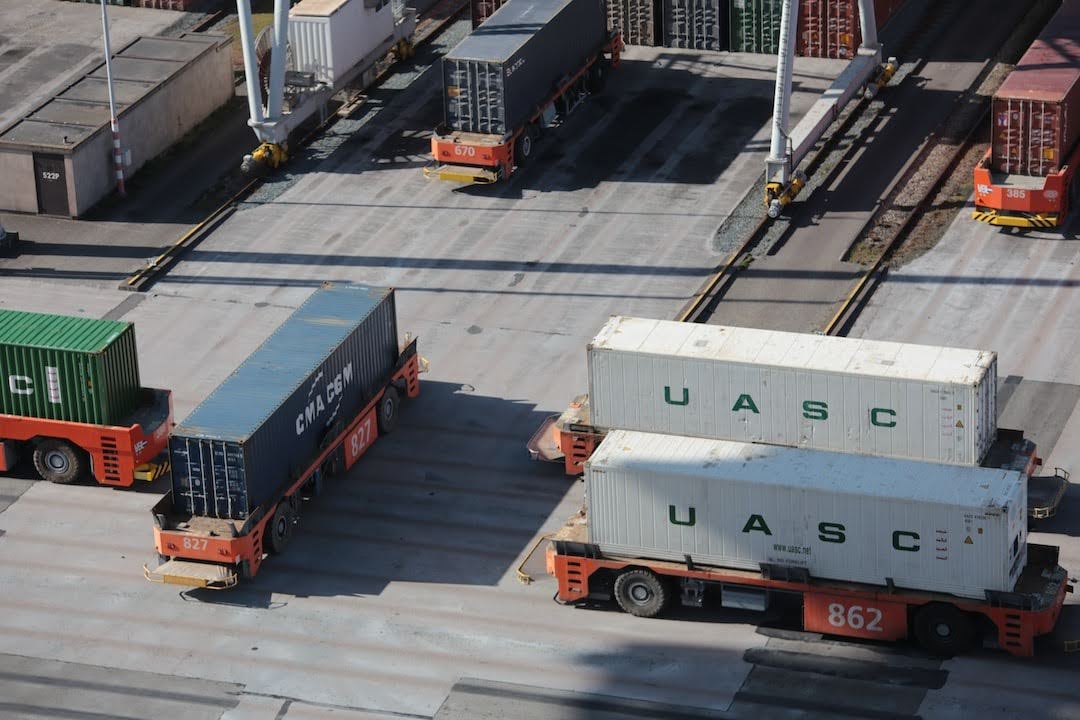
Modern supply chains move large loads of goods across global routes daily. Freight movement drives business growth. Road traffic creates carbon emissions. Supply chain teams want smart methods that protect profits and cut pollution. Clean shipping practices help firms meet customer needs without slowing down daily deliveries.
Clean Freight Fleet Operations
Freight companies look for clear ways to save fuel on long transport trips. As noted by the team behind Ozark Motor Lines, working with reliable carriers helps cargo shippers keep fast routes and access clean equipment. Smart GPS units help drivers avoid heavy traffic spots that cause long idle times. Modern routing tools give dispatch teams a full view of highway delays.
Road trucks haul most land cargo across long distances. These heavy vehicles generate hundreds of tons of carbon emissions each year. Fleet owners fix this issue with clean engines and light trailer frames. Regular garage checks keep heavy trucks running well to lower smoke output. Drivers learn calm driving methods that protect tires and save extra fuel.
Automated Warehouses and Power Savings
Storage centers need power to run gear and bright lights. Regional supply hubs cut power bills with automatic tools and fast LED lights. Nearly 99 percent of makers plan to use mobile robots, cobots, and robot arms by 2029. These smart machines move boxes quickly without extra power waste.
Robots speed up daily tasks and lower wasted power across large concrete floors. Smart light sensors switch off power in empty rooms and storage bays. Electric lift trucks replace heavy diesel models inside indoor loading docks. Simple changes save money and lower direct pollution from busy storage hubs.
Market Growth in Green Freight
Green habits bring clear financial gains to transport teams and cargo owners. The global sustainable logistics market reached USD 1,510 billion in 2025 and grows 8.00 percent per year to reach USD 2,396 billion by 2031. Capital flows into green tools as trade clients request clean shipping options. Investment in clean tech creates new job options across the freight sector.
Shippers pick freight providers that meet clear eco goals. Low fuel use protects truck fleets against sudden diesel price hikes. Clean operations give smart companies a top edge when winning new shipping contracts. Green goals build strong trust between freight firms and local towns.
Better Route Planning and Capacity
Full trailers keep trucks busy and stop empty return trips on main highways. Dispatch tools match open truck space with local shipments in real time. Full loads mean fewer total road trips, which saves fuel on highway routes. Cargo managers plan multi-stop drop routes to keep cargo moving fast.
Tracking units collect live truck data to help drivers save fuel daily. Fleet managers teach teams smooth driving habits that reduce brake wear. Safe driving habits protect expensive trucks and lower greenhouse gas output. Proper driving habits lower road risks for truck drivers on long runs.
Future Outlook for Green Freight
Modern shipping can achieve great business success and protect natural assets for coming generations. Using smart warehouse tools and clean trucks creates a strong freight network. Businesses that adopt clean transport build strong trust with long-term trade clients. Smart planning makes green supply chains both useful and profitable.
Explore how updated freight strategies can improve business performance for your team today.
If you’d like to learn more, check out more articles on our blog.