

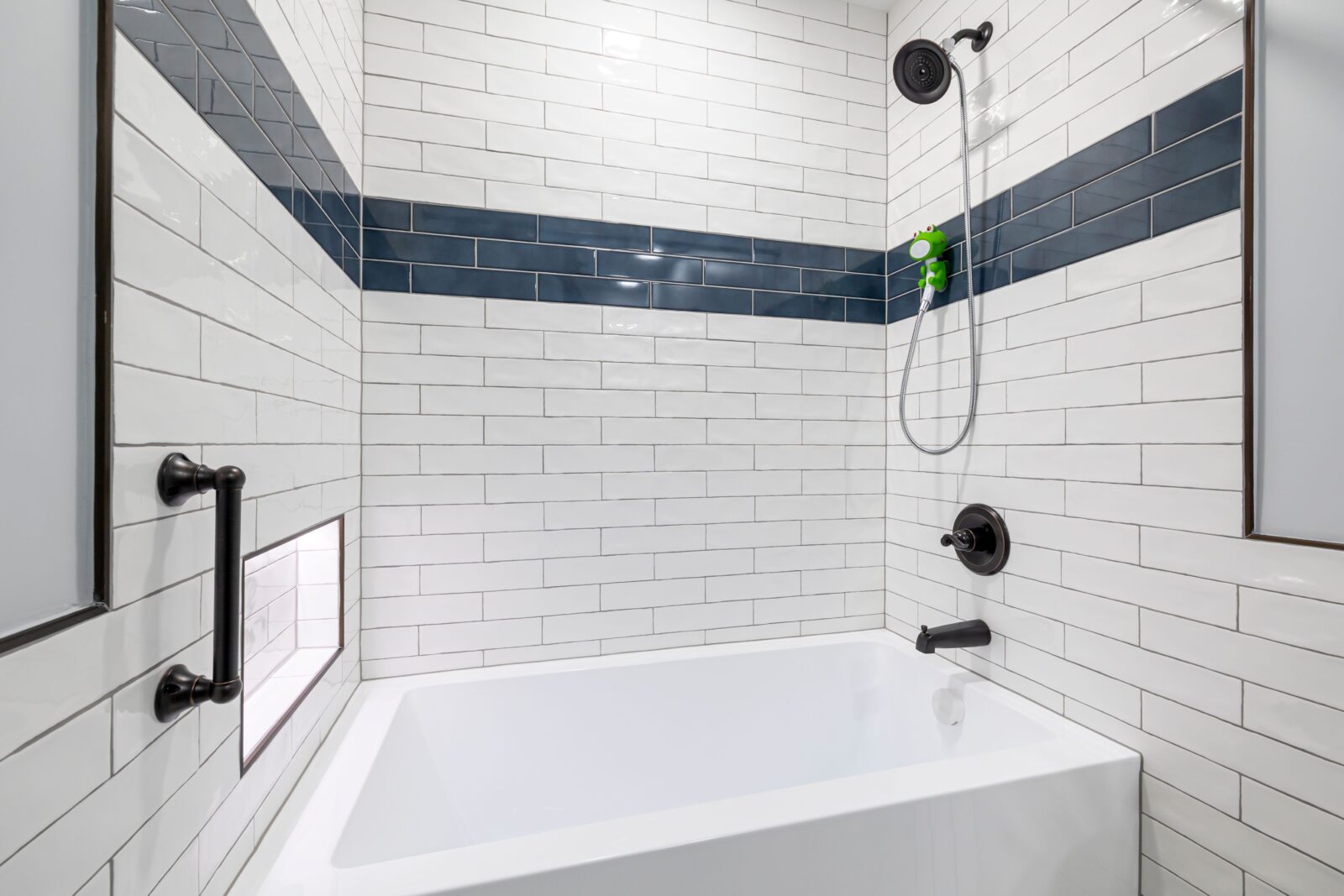
Your bathtub can quietly shift from useful to annoying. One day it’s fine, and the next you’re staring at chips, stains, or a slow drain while wondering how something meant for relaxation became part of your stress routine. If you’re thinking about replacing a tub, you’re not alone. A worn-out bathtub affects comfort, cleaning, safety, and even how your whole bathroom feels when you walk in.
Signs Your Bathtub Has Reached the End of the Line
A bathtub rarely fails all at once. Usually, it sends a series of not-so-subtle hints. Cracks, rust spots, peeling finish, and stubborn discoloration are common red flags. If the surface feels rough or looks permanently dingy even after scrubbing, the material may be breaking down.
Leaks around the base also deserve attention. Water has a talent for sneaking into places you can’t see, and hidden moisture can lead to mold, warped flooring, and repair bills that sting. If stepping in and out feels awkward or slippery, safety becomes part of the conversation too.
An outdated tub can also hurt function. Maybe it’s too small, too deep, or impossible to clean around the edges. At that point, replacement stops being a cosmetic upgrade and starts looking like basic problem-solving.
Installation Details Most Homeowners Don’t Think About
Tub replacement sounds simple until you get into the mechanics. Removing an old tub may involve cutting wall material, disconnecting plumbing, checking subfloor conditions, and hauling out a heavy fixture that definitely won’t glide politely through the house.
Once the old tub is out, hidden issues often show up. You might find water damage, outdated pipes, or framing that needs reinforcement. None of that is glamorous, but it matters. A new tub installed over existing problems is like putting fresh paint on a wall with a leak behind it.
Proper sealing, leveling, and drain alignment are critical. If those steps are off, the tub may creak, drain slowly, or leak. That’s one reason many homeowners look into professional tub replacement when they want the new installation to perform well and hold up over time.
What You Gain From Replacing Instead of Repairing
Small repairs can help in some cases, but there’s a limit. Reglazing may refresh the appearance for a while, yet it won’t fix structural issues, recurring leaks, or a tub that simply no longer fits your needs. Replacement gives you a chance to solve the root problem rather than putting a bandage on it.
You also get better performance. New tubs are often easier to clean, more resistant to stains, and designed with comfort in mind. Some models include lower thresholds, built-in shelving, or slip-resistant surfaces. Those details matter more than people expect.
Then there’s the visual impact. A new tub can make the bathroom feel sharper, cleaner, and more current without requiring a full remodel. It’s one of those upgrades that pulls a surprising amount of visual weight.
Choosing the Right Tub for Your Bathroom Layout
Picking a replacement tub isn’t just about finding one that looks good online at 1 a.m. You need something that works with your actual space. Start with measurements: length, width, depth, and the surrounding wall area. Even a beautiful tub becomes a headache if it doesn’t fit plumbing or door clearances.
Think about who uses the bathroom most. A standard alcove tub works well in many homes, especially when you want a shower-tub combo. A soaking tub offers more comfort, but it needs enough room to make sense. Walk-in tubs are useful when accessibility is a priority.
Material matters too. Acrylic is popular because it’s lightweight, affordable, and easy to maintain. Cast iron is durable but heavy. Fiberglass costs less, though it tends to wear faster. The best choice usually balances budget, durability, and how much maintenance you’re willing to tolerate.
Budgeting Without Getting Blindsided
The price of a tub replacement depends on more than the tub itself. Materials, labor, plumbing adjustments, demolition, wall repair, and finishing work all shape the final number. If your bathroom is older, costs can climb once contractors uncover hidden damage or code issues.
A basic replacement with a standard tub tends to cost less than a custom setup with tile work and upgraded fixtures. Accessibility features, premium materials, and layout changes can push the budget higher. It helps to separate must-haves from nice-to-haves before the project starts.
Ask for detailed estimates so you can see what’s included. A low quote may leave out disposal, wall patching, or plumbing updates. That’s where budgets suddenly go off-script. Clear pricing keeps you from mistaking a partial job for a bargain.
Style, Comfort, and Everyday Use Matter More Than You Think
A bathtub isn’t just a fixture. It’s part of your routine, and routines have opinions. If the tub is uncomfortable, awkward to clean, or hard to enter, you’ll notice every single day. Comfort deserves a bigger role in the decision than many people give it.
Look at details like back support, interior depth, edge height, and floor texture. If kids use the bathroom, easy access may matter more than spa vibes. If it’s the primary bathroom, you may care more about soaking depth or a cleaner, more polished appearance.
Color and surround style count too. White remains the safest choice for resale and flexibility, but the finish and shape still change the room’s tone. A well-chosen tub can make an average bathroom feel intentional instead of pieced together from whatever was on sale that weekend.
How Tub Replacement Can Affect Home Value
Bathrooms sell impressions fast. Buyers notice old tubs immediately, especially if there are stains, cracks, or dated colors that scream another decade. A fresh tub can make the room look cleaner and more move-in ready, which matters when people are comparing homes.
That doesn’t mean you need a luxury showpiece. Practical upgrades often carry more value than flashy ones. A durable, attractive, easy-to-maintain tub appeals to a wide range of buyers. It suggests the bathroom has been cared for rather than tolerated.
Even if you’re not selling soon, there’s still value in making the room work better for you now. Home upgrades aren’t only about resale math. Sometimes the return comes from fewer maintenance issues, easier cleaning, and not having to look at a cracked tub every morning before coffee.
Final Thoughts Before You Start the Project
Replacing a bathtub can seem like a cosmetic project at first, but it often improves comfort, safety, maintenance, and the overall feel of your bathroom. If your current tub is damaged, dated, or frustrating to use, paying attention early can save you from larger repairs later.
Go into the project with clear measurements, a realistic budget, and a solid idea of how the bathroom needs to function. Focus on long-term use rather than just showroom appeal. The best replacement is one that fits your space, supports your routine, and doesn’t create new problems.
A bathtub should make your bathroom easier to live with. That’s a pretty reasonable standard, and honestly, your knees, your mop, and your future self will all appreciate it.