

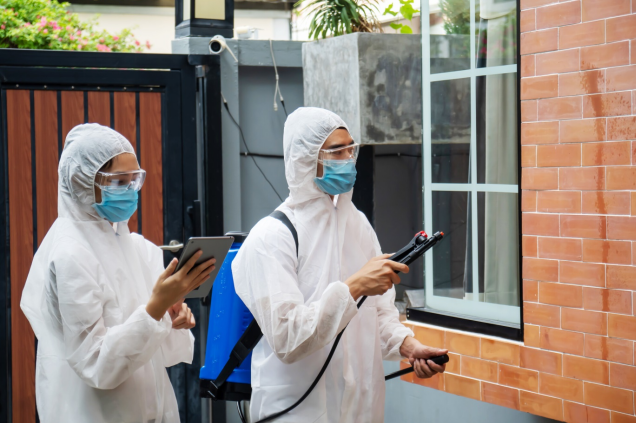
What happens when biohazard waste disposal goes wrong? Blood, used needles, and dirty materials can harm soil, water, animals, and people when they are not handled with care. When this waste is dumped or treated the wrong way, it can spread germs, pollute water, and damage local habitats.
Safe handling keeps harmful waste contained and helps prevent these problems. It also helps workers and communities stay safe while protecting the environment. In this guide, you will learn how poor waste disposal affects nature, why safe waste rules matter, and which simple steps can reduce harm and protect our shared environment.
How Biohazard Waste Disposal Can Harm Nature
Biohazard waste may contain germs, blood, chemicals, or sharp items. If it is dumped or handled the wrong way, it can reach soil and water. This can harm plants, animals, and other living things.
Unsafe waste can also pollute drains, rivers, and groundwater. Dirty water may carry germs far from the waste site. Sharp items may hurt animals that find them in open areas or trash bins.
How Safe Handling Protects Ecosystems
Good waste control keeps harmful materials contained from pickup to treatment. Workers use safe containers, labels, and proper methods to prevent spills. These steps help keep waste away from soil, water, and nature.
Some waste must be cleaned, treated, or destroyed before it can be thrown away. Medical waste disposal rules set safe steps for pickup, transport, treatment, and disposal. Following these rules can lower risks to the environment.
Why Environmental Rules Matter
Environmental laws help sites handle waste that may harm people or nature. These rules may cover storage, transport, treatment, records, and disposal. They help reduce leaks, unsafe dumping, and harmful contact.
Following the rules is about more than avoiding fines or failed checks. It also helps clinics, businesses, and other sites protect people and the environment. When workers know waste disposal regulations, they can make safer choices and act quickly when problems happen.
Better Practices Can Reduce Environmental Harm
Good waste control starts by keeping biohazard waste away from regular trash. Staff should use safe containers, follow site rules, and keep waste in secure areas until trained workers collect it. Good training can help prevent mistakes and teach workers what to do during a spill.
Some sites may need help from trained cleanup workers. Professional biohazard cleanup services can help with safe cleanup and waste handling. Using the right methods can lower the risk of harmful waste reaching soil, water, or public areas.
Protecting Nature Starts With Safe Choices
Biohazard waste can harm nature when it is not stored, treated, and discarded in a safe way. Biohazard waste disposal helps protect water, soil, animals, workers, and local communities. Simple steps, such as using safe containers and training workers, can help lower the risk of pollution and harm.
Safe waste practices help protect people and nature. By knowing the risks and following proper rules, people can help stop avoidable harm and protect natural resources for years to come.
Did this guide help you? Browse the rest of this section for more advice on a variety of topics.