

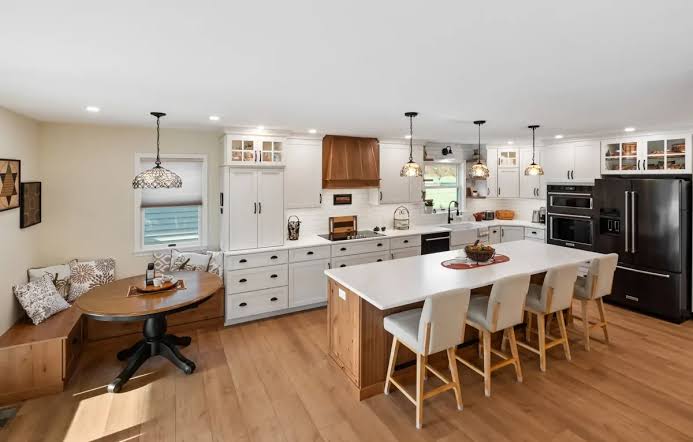
The kitchen is widely recognized as the central focal point for real estate valuation. When potential buyers tour a home, the condition, layout, and aesthetic finish of the kitchen strongly influence their overall offer price. However, not all kitchen upgrades yield equal financial returns. Reconfiguring a tight, dysfunctional footprint yields a far higher return on investment (ROI) than merely swapping out countertops on an inefficient layout. Understanding how spatial design drives property value empowers homeowners to make smart renovation choices.
The Financial Mechanics of Kitchen Design ROI
Calculating the financial return of a kitchen remodel requires examining both initial capital expenditure and subsequent equity growth. High-end cosmetic finishes applied over a bad layout rarely deliver high financial returns.
Minor vs. Major Kitchen Renovations
Real estate data consistently demonstrates that mid-range major renovations often net a higher percentage of cost recovery than hyper-custom luxury overhauls.
- Minor Kitchen Remodel (Approx. 70-80% ROI): Focuses on surface updates. Refacing existing cabinets, updating hardware, replacing old appliances with energy-efficient models, and installing modern tile backsplashes.
- Major Kitchen Remodel (Approx. 55-65% ROI): Involves structural modifications. Tearing down dividing walls, reconfiguring plumbing and electrical locations, installing custom cabinetry, and creating an expansive central island layout.
While major layout reconfigurations carry a higher upfront cost, they remove spatial barriers that can cause older homes to languish on the market. Engaging reputable architecture firms in Salt Lake City ensures that wall removals and structural beam installations are engineered correctly, protecting both safety and future home value.
High-Impact Layout Changes That Drive Equity
To maximize financial equity, kitchen design should prioritize open circulation, natural lighting, and multi-functional workspaces.
Eliminating Spatial Isolation
Older architectural floor plans routinely isolated the kitchen from adjacent dining and living areas. Today’s home buyers prioritize visual connection and effortless entertaining flow.
Removing non-load-bearing walls between the kitchen and Great Room opens up visual sightlines and transforms dark, cramped spaces into expansive living environments. This single architectural adjustment is one of the highest value drivers in modern residential remodeling.
Incorporating the Multi-Functional Center Island
A well-proportioned kitchen island acts as a multi-purpose workstation, dining venue, and informal social hub. When designing an island layout, balance functionality with spatial clearances.
Ensure a minimum walkway aisle width of forty-two inches between the island perimeter and surrounding countertops. For households with multiple cooks, forty-eight inches is preferred. Islands equipped with integrated prep sinks, microwave drawers, and hidden trash recyclers keep main perimeter counters clear and uncluttered.
Strategic Material Selection for Maximum Value Retention
Selecting durable, timeless materials ensures your kitchen upgrade retains its market value well into the future without looking prematurely dated.
Cabinetry Quality and Storage Solutions
Cabinetry represents the largest single expense in a major kitchen remodel. Prioritize structural cabinet construction over temporary color trends.
Solid wood frames, plywood box construction, and heavy-duty soft-close drawer slides outlast cheap particleboard alternatives by decades. Incorporate deep pot-and-pan drawers, pull-out pantry shelves, and corner lazy susans to maximize functional storage volume.
Countertop Durability and Maintenance
Quartz engineered stone has largely overtaken natural granite as the preferred countertop material for real estate value retention. Quartz is non-porous, highly stain-resistant, and requires no periodic chemical sealing.
Pairing neutral quartz surfaces with a simple marble or glazed ceramic subway tile backsplash creates a timeless aesthetic that appeals to a wide pool of prospective buyers.
Energy Efficiency and Smart Appliance Integration
Modern buyers prioritize sustainable, low-maintenance home systems that keep monthly utility bills low.
Incorporate ENERGY STAR certified appliances, high-efficiency induction cooktops, and touchless low-flow sink faucets into your kitchen remodel. Induction cooktops, in particular, are rapidly gaining popularity due to their precise temperature control, rapid heating times, and superior safety profile compared to traditional gas burners.