

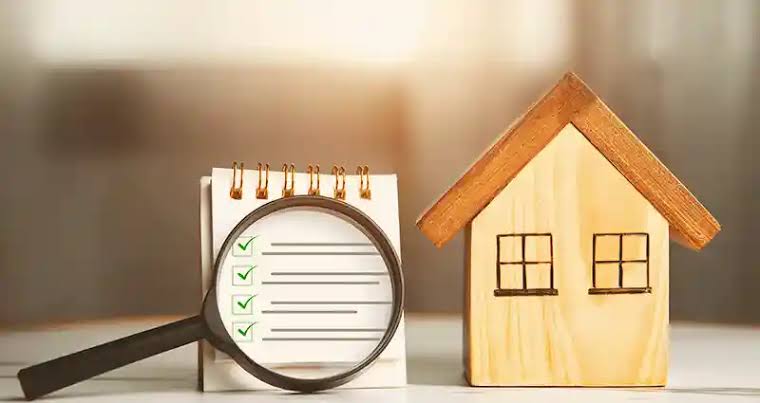
Your home should always serve as a sanctuary—a peaceful space where your family feels safe, relaxed, and fully protected. However, maintaining a secure living environment requires ongoing attention to detail, consistent upkeep, and proactive hazard prevention. From eliminating physical trip hazards to safeguarding against security breaches or unexpected fires, taking small, deliberate measures today can prevent stressful, high-cost emergencies tomorrow.
Below are 10 essential home safety tips every household should implement to create a safer, more resilient living space.
1. Secure All Exterior Doors and Windows
The primary line of defense against unwanted intruders begins at your entry points. Inspect all exterior doors to ensure they are solid wood or heavy metal and fitted with heavy-duty deadbolts. For sliding glass doors, place a security bar or heavy wooden rod inside the track to block forced entry. Ground-level windows should feature reliable locks, window sensors, or protective glass film to deter opportunistic trespassers.
2. Install Smoke and Carbon Monoxide Detectors
Fire hazards and gas leaks are hidden dangers that can escalate in seconds. Install smoke detectors inside every bedroom, outside sleeping areas, and on every level of your house. Pair them with carbon monoxide detectors to catch odorless, toxic fuel emissions early. Press the test button on each unit monthly, and replace batteries at least once per year.
3. Practice Kitchen and Cooking Fire Safety
Unattended cooking remains the leading cause of residential fires nationwide. Never leave active cooktops unattended, particularly when frying, grilling, or cooking with oil. Keep flammable items like dish towels, paper packaging, and potholders at least three feet away from burners. Always store a multi-purpose fire extinguisher near the kitchen exit and ensure every adult knows how to use it.
4. Maintain Electrical Systems and Household Appliances
Frayed power cords, overloaded extension strips, and aging mechanical appliances pose serious electrical fire risks. Regularly inspect power cords and avoid daisy-chaining surge protectors under rugs. For heavy-use units showing signs of mechanical failure, scheduling professional appliance repair in Roy, UT ensures your home equipment functions safely and efficiently without overheating or tripping circuit breakers.
5. Upgrade Exterior and Motion-Sensor Lighting
Dark walkways, unlit side yards, and dim entryways invite slip accidents and provide hiding spots for intruders. Brighten outdoor entry points and driveways by installing motion-sensor lighting fixtures. Motion lights startle unexpected trespassers while saving energy by illuminating only when movement is detected.
6. Prevent Household Slips, Trips, and Falls
Accidental falls are among the most common sources of household injuries across all age groups. Keep hallways, staircases, and high-traffic pathways completely clear of clutter, shoes, and loose cables. Secure area rugs with non-skid pads, install firm handrails along all stairways, and place non-slip rubber mats inside bathtubs and shower stalls.
7. Store Chemicals and Hazardous Products Safely
Household cleaners, pesticides, paints, and prescription medications carry severe poisoning risks if handled improperly. Store these substances on high shelves or inside locked cabinets out of reach of curious children and pets. Always keep chemicals in their original labeled containers and never mix different cleaning solvents together.
8. Create and Practice a Family Emergency Plan
During an unexpected crisis, having a clear plan reduces panic and speeds up response times. Map out a family escape plan that identifies two ways out of every room and designates a safe meeting location outside. Stock an accessible emergency kit containing bottled water, non-perishable food, flashlights, extra batteries, and basic first-aid supplies.
9. Childproof and Senior-Proof High-Risk Areas
Tailor safety precautions to fit the age and mobility needs of your household members. Cover exposed electrical outlets with safety caps, and anchor heavy furniture like dressers and TV stands to wall studs to prevent tip-overs. For older family members, add grab bars inside bathrooms and improve nightlight illumination along hallways.
10. Utilize Smart Security Technology
Modern smart home automation delivers unprecedented peace of mind through real-time monitoring. Smart doorbell cameras, remote-controlled deadbolts, and connected security sensors send instant alerts to your smartphone if suspicious activity or entry is detected while you are away.
Conclusion
Creating a safer home environment is an ongoing commitment rather than a single weekend project. By identifying potential hazards—from securing doors and inspecting electrical devices to setting up emergency response plans—you build a secure haven where your family can thrive without worry. Start implementing these practical steps today to safeguard your home and protect what matters most.