

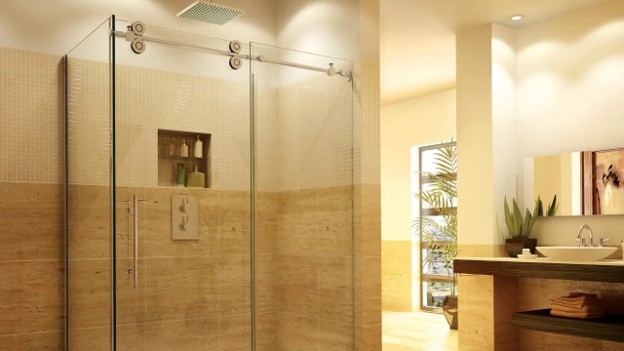
Choosing the right shower door can completely change the appearance, comfort, and functionality of your bathroom. A well-selected shower door does more than prevent water from splashing onto the floor. It can make a small bathroom feel more spacious, complement your interior design, improve accessibility, and even add value to your home.
With so many styles, glass types, finishes, and opening mechanisms available, selecting the best option can feel confusing. Before making a decision, consider your bathroom layout, available space, cleaning preferences, budget, and overall design. Homeowners researching Shower Doors Toms River NJ or Shower Doors Delaware should also consider professional measurements and installation to ensure the door fits correctly and performs reliably.
Consider Your Bathroom Size and Layout
The first step is evaluating how much space you have around the shower. Your bathroom layout will determine which type of door can open comfortably without interfering with toilets, vanities, cabinets, or other fixtures.
In larger bathrooms, hinged or pivot shower doors are often a great choice because there is enough clearance for the door to swing outward. Smaller bathrooms may benefit from sliding or bypass doors because they operate without requiring additional floor space.
Measure the width and height of the shower opening carefully. Even minor measurement errors can lead to gaps, leaks, or installation problems. If your walls are uneven or the shower has an unusual shape, professional measurements are particularly important.
Choose Between Frameless and Framed Shower Doors
One of the biggest decisions is whether to choose a framed, semi-frameless, or frameless design.
Frameless Shower Doors
Frameless doors use thick tempered glass with minimal metal hardware. Their clean appearance works especially well in modern and luxury bathrooms.
Benefits include:
- Clean and contemporary appearance
- Makes bathrooms feel larger
- Easier access to glass surfaces for cleaning
- Highlights decorative tiles and shower features
- Offers a high-end customized look
Framed Shower Doors
Framed doors have metal around the edges of the glass. They are traditionally more affordable and can provide additional structural support.
They are available in numerous finishes and designs, making them suitable for both traditional and modern bathrooms.
Semi-Frameless Doors
Semi-frameless shower doors provide a middle ground. They use less metal than fully framed systems while maintaining some structural framing. This can provide a stylish appearance at a more moderate price.
Select the Right Opening Style
How your shower door opens directly affects convenience and usability.
Sliding Shower Doors
Sliding doors move horizontally along tracks, making them ideal for smaller bathrooms. Because the panels do not swing outward, they help maximize available space.
They are commonly used with bathtub-shower combinations and wider shower enclosures.
Hinged Shower Doors
Hinged doors operate much like standard interior doors. They offer a clean, luxurious appearance but require sufficient clearance to open safely.
Pivot Shower Doors
Pivot doors rotate using specially positioned hinges. Depending on the configuration, they may open inward, outward, or both ways.
Fixed Glass Panels
A fixed glass panel does not open at all. It is commonly used in walk-in showers where only part of the shower area needs protection from water.
Think About Glass Thickness and Safety
Shower doors should be made from tempered safety glass. Tempered glass is specially treated to increase its strength. If it breaks, it is designed to crumble into smaller pieces rather than producing large, dangerous shards.
Glass thickness varies depending on the shower door design. Frameless doors generally require thicker glass because they rely less on metal framing for structural support.
Professional installers can recommend an appropriate thickness based on the size and configuration of your shower enclosure.
Choose the Best Glass Style
Clear glass is popular because it creates an open appearance and allows decorative shower tiles to remain visible. However, it is not your only option.
Popular glass choices include:
- Clear glass
- Frosted glass
- Textured glass
- Patterned glass
- Tinted glass
- Low-iron glass
Frosted and textured glass provide greater privacy, while clear glass can make a smaller bathroom appear larger.
Low-iron glass contains less iron than standard glass, reducing the subtle green tint often visible around glass edges. It is commonly chosen for premium frameless installations.
Match the Hardware With Your Bathroom
Handles, hinges, tracks, and brackets may seem like minor details, but they have a major impact on the finished design.
Popular shower door hardware finishes include chrome, brushed nickel, matte black, polished brass, and oil-rubbed bronze.
Try to coordinate the shower hardware with your bathroom faucets, towel bars, cabinet handles, lighting fixtures, and other finishes. Consistency helps create a polished and professionally designed appearance.
Consider Cleaning and Maintenance
Different shower doors require different levels of maintenance. Clear frameless glass looks impressive, but soap residue, fingerprints, and hard-water marks may become visible quickly.
Protective glass coatings can reduce mineral buildup and make routine cleaning easier. Using a shower squeegee after bathing can also prevent water spots from developing.
Sliding doors require additional attention because dirt and moisture can collect inside their tracks. Frameless designs have fewer areas where residue can accumulate, which can make them easier to maintain.
Set a Realistic Budget
The cost of a shower door depends on its size, glass thickness, hardware, design, customization, and installation requirements.
Standard framed doors are generally among the more economical options, while customized frameless systems typically cost more. However, choosing a door purely based on the lowest price may not provide the best long-term value.
For homeowners comparing Shower Doors Toms River NJ, factors such as professional installation, custom sizing, hardware quality, and glass durability should be considered alongside price. The same applies when comparing Shower Doors Delaware, particularly when selecting customized enclosures for renovated or uniquely shaped bathrooms.
Don’t Overlook Professional Installation
Even a premium shower door can perform poorly if it is installed incorrectly. Poor installation may result in water leakage, unstable glass, misaligned doors, damaged tiles, or hardware problems.
Professional installers understand how to measure openings accurately, accommodate walls that are not perfectly level, position seals correctly, and secure heavy glass safely.
This is particularly important with frameless shower doors because their appearance depends heavily on precise alignment.
Final Thoughts
The right shower door should balance appearance, functionality, durability, maintenance, and available space. Start by evaluating your bathroom layout, then choose a door style that works naturally within the room.
Consider whether framed or frameless glass suits your design, select an appropriate opening mechanism, choose safe and durable glass, and coordinate the hardware with the rest of your bathroom. With accurate measurements and quality installation, the right shower door can create a brighter, more comfortable, and more attractive bathroom that continues to perform well for years.