

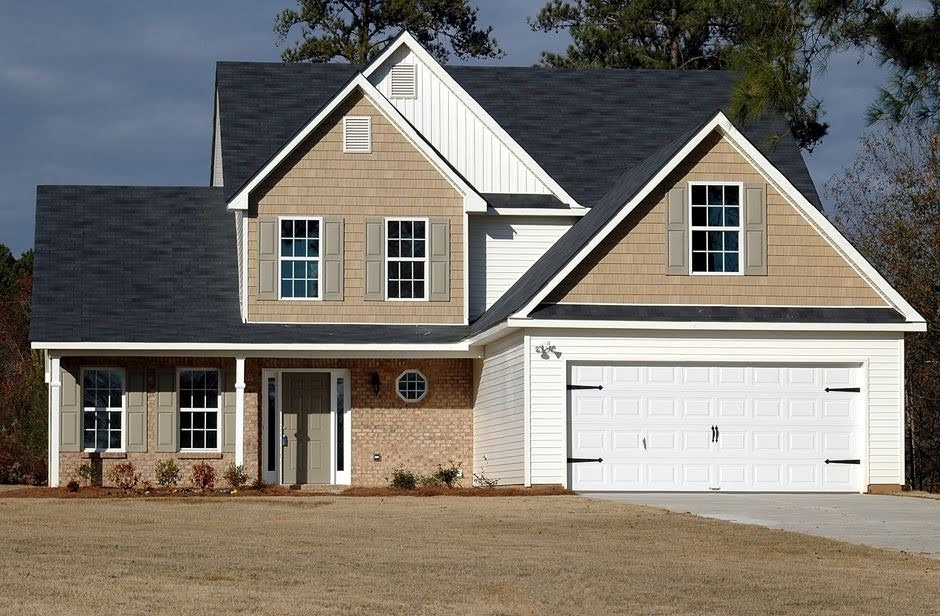
Why siding matters
Siding is not just decoration with good manners. It helps protect your home from moisture, temperature swings, and wear that builds up over time. When it looks worn out, your whole house can seem older than it really is. When it’s in good shape, the place feels cared for before anyone even steps inside.
If you live in a place with changing weather, solid siding matters even more. It helps keep your home comfortable while protecting it from the wear that comes with shifting seasons, reducing the chance of small issues turning into expensive repairs. If you’re thinking about replacing your siding, a Boulder siding contractor can be your best resource, bringing local knowledge of the climate, building styles, and the materials that perform well in the area’s unique conditions.
Good siding also lowers the “I’ll deal with that later” feeling. You get less stress, better curb appeal, and a home that simply looks more put together.
Signs it needs help
Sometimes siding problems are obvious. A panel cracks, paint peels, or something starts looking wavy in a way that is not charming. Other times the signs are sneaky. You might notice a room feels draftier than usual or spot mildew where it should not be hanging out.
A few common red flags are:
– warping or loose sections
– fading that makes the house look dull
– bubbling or blistering surfaces
– frequent repainting needs
– moisture spots near seams
You may also see higher upkeep year after year. If you keep patching the same trouble spots, your home could be asking for a bigger fix. Think of it like a pair of shoes with a hole in the sole. Sure, you can keep pretending they are fine, but your socks know the truth.
The earlier you notice these signs, the easier it is to plan your next step without rushing.
Choosing the right style
Picking siding can feel like a big decision because it changes such a large part of your home. Still, you do not need to overcomplicate it. Start with three things: your local weather, your home’s shape, and how much maintenance you want to deal with later.
Vinyl is popular because it is budget-friendly and fairly low maintenance. Fiber cement has a sturdy reputation and works well for homeowners who want a classic look. Engineered wood can give you warmth and texture without all the fuss of traditional wood. Each option has trade-offs, so the best one depends on your priorities.
Try to match the style to your house instead of fighting it. A simple ranch home usually looks best with clean, straightforward lines. A cottage or craftsman-style home may work better with more texture and detail. The goal is not to make your house look like someone else’s dream board. It is to make your own home feel right.
Colors that age well
Color has a huge effect on curb appeal, but this is one area where slower thinking usually wins. Trendy colors can look exciting today and strangely dated tomorrow. A shade that feels calm, clean, and easy to live with often gives you better long-term value.
Soft grays, warm beiges, creamy whites, muted blues, and earthy greens tend to age well. They also play nicely with stone, brick, roofing, and landscaping. If your neighborhood has a certain visual rhythm, it is smart to respect it without blending in completely.
You do not have to be boring. A bold front door or darker shutters can add personality without making the whole house feel like a risky experiment. Before choosing, look at samples outside during different times of day. Sunlight changes everything. A color that feels gentle in the store can become very shouty by noon.
Aim for a look you will still like after the excitement wears off. That is usually the sweet spot.
Planning the project
A siding project goes more smoothly when you think ahead. Start with a realistic budget, then build in a little wiggle room. Homes love surprises, and not the fun birthday kind. If hidden damage turns up underneath old siding, you will be glad you planned for it.
It also helps to ask simple questions before work begins. How long should the project take? What prep do you need to do? Will there be noise, mess, or limited access to certain parts of the house? These details matter if you work from home, have pets, or just enjoy knowing where your coffee routine is headed.
Clear communication with your contractor can save a lot of stress. Ask about materials, cleanup, warranties, and what happens if weather causes delays. You do not need to know every construction term in the book. You just need enough information to feel confident.
When the plan is clear, the whole project feels less overwhelming and more like a smart home upgrade.
Keeping it looking good
Once your new siding is up, keeping it attractive is mostly about staying consistent. You do not need a complicated routine. A basic rinse now and then, a quick seasonal check, and paying attention to problem spots can go a long way.
Look around your home after strong storms or sharp temperature changes. Check for loose pieces, clogged gutters, or plants pressing too closely against the walls. Shrubs may look innocent, but some of them behave like tiny aggressive roommates.
It also helps to keep sprinklers from constantly soaking the same areas. Too much moisture can wear down finishes and invite trouble. If your siding needs occasional washing, use methods recommended for the material instead of guessing and going full superhero with a pressure washer.
The best part of a siding upgrade is that it keeps paying you back. Your home looks fresher, feels more protected, and needs less cosmetic rescuing. That is a pretty nice deal for something that works quietly in the background every single day.