

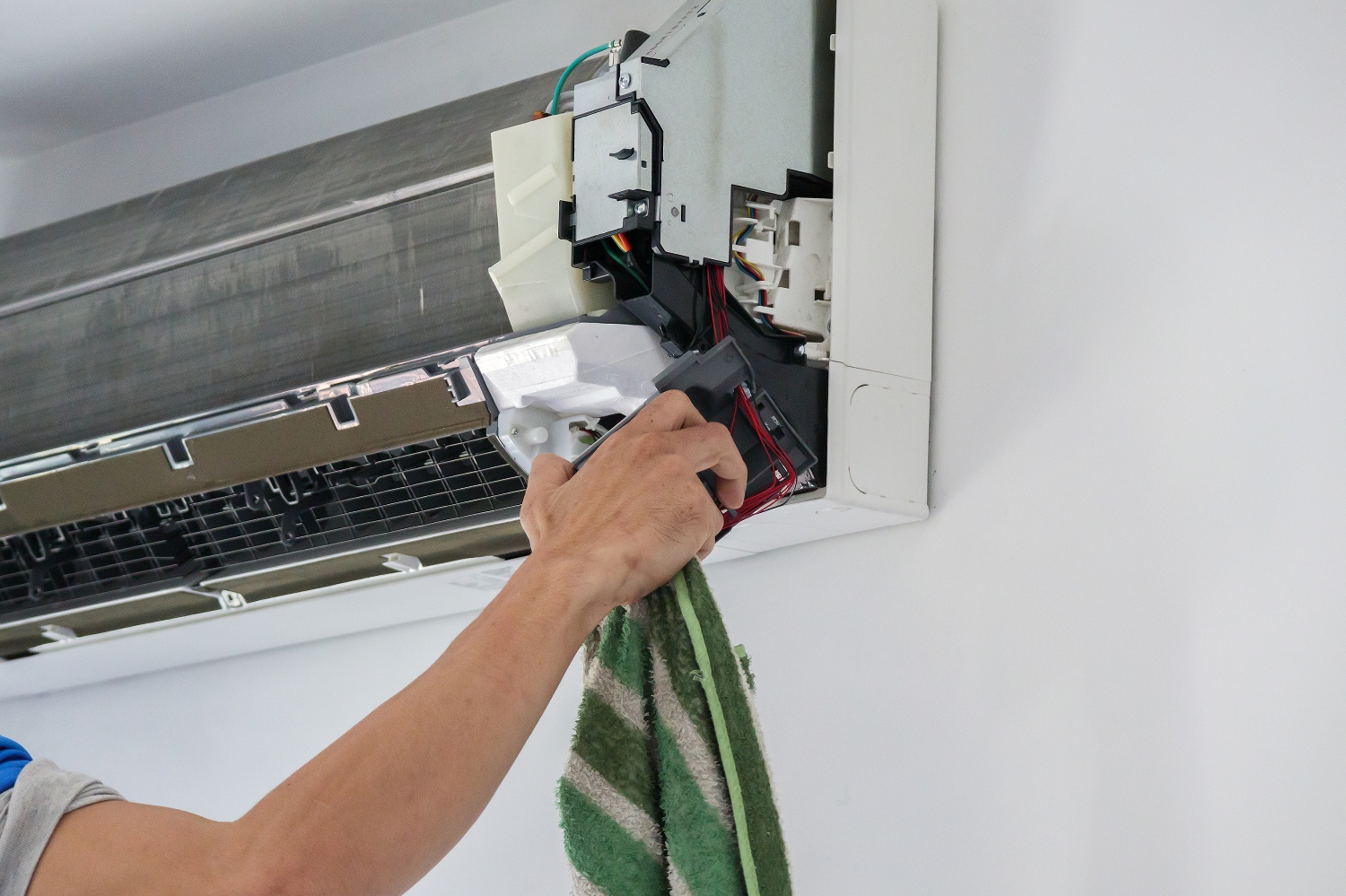
On the hottest days, your air conditioner removes moisture from indoor air as it cools the home. That water has to go somewhere. A dedicated condensate system moves it from the evaporator coil to a safe discharge point. When that pathway clogs or fails, water can overflow a drain pan, trigger a float switch, soak drywall, or drip through a ceiling. This problem is often preventable if you understand the system components, recognize early warning signs, and know which corrective steps can help. Here is a practical look at how condensate systems work and what to do before a minor drainage issue becomes an expensive repair.
-
How an AC Removes Moisture and Where the Water Goes
The evaporator coil sits inside or above the air handler and collects condensation as warm, humid air passes over its cold fins. That water falls into a primary drain pan, flows through a P-trap and sloped PVC line, and exits at an approved discharge point outdoors or into a condensate pump. In many homes, a secondary pan beneath an attic air handler has its own drain or float switch that shuts down the system before water spills. If a line lacks the proper slope, trap, venting arrangement, or cleanout access required by the equipment and local code, drainage problems can develop, and biological buildup may accumulate more quickly. When you are unsure about the layout or local requirements, a licensed HVAC company such as All American Heating, Air & Plumbing can inspect the drain route, termination point, and safety devices.
Gravity handles most of the drainage when the air handler is located above the discharge point. In a closet or basement where the line cannot slope continuously toward a suitable drain, a condensate pump may lift the water through tubing to a higher discharge location. Pumps introduce additional components, including floats and check valves, that can fail over time. Test overflow protection during routine maintenance so a malfunctioning pump doesn’t allow water to collect unnoticed.
-
Early Warning Signs Before a Ceiling Stain Appears
Before water leaves a visible mark on drywall, other warning signs often appear. These may include a musty odor near the air handler, damp insulation around the equipment, or unusual gurgling sounds from the drain line. On split systems, look for rust in the secondary drain pan, beads of water beneath the air handler, or water dripping from a secondary drain outlet that normally stays dry. If the thermostat appears to shut the cooling system off unexpectedly, a float switch may be interrupting operation to prevent an overflow.
Another warning sign is excessive condensation on the insulated suction line near the air handler combined with reduced airflow at the supply registers. A clogged filter or another airflow restriction can cause the evaporator coil to become too cold and potentially freeze. When the ice melts, a large amount of water can enter the drain pan at once and overwhelm a partially blocked drain. If airflow from the registers feels weak and the return filter is heavily loaded with dust, address the airflow problem before continued operation creates a larger issue.
-
What Commonly Causes Condensate Backups
Algae and biological buildup can develop in warm, wet condensate lines. In long horizontal runs with inadequate slope, water may linger and allow debris or slime to accumulate, gradually narrowing the PVC pipe. Improper trap or vent arrangements can also interfere with drainage because pressure differences inside the air handler may affect how water leaves the pan. Incorrectly connected lines can create odor, sanitation, or drainage concerns and should be evaluated against local code requirements.
Mechanical and maintenance problems can contribute as well. A very restrictive filter used in a system that cannot accommodate the added pressure drop may reduce airflow and increase the risk of coil icing. A condensate pump with a failing check valve may allow water to flow backward after the pump stops. In attic installations, a rusted, cracked, or damaged secondary pan may no longer contain an overflow, turning a small drain blockage into ceiling damage. The discharge location also matters. A drain outlet buried in mulch, soil, or vegetation can become blocked and prevent water from leaving the system properly.
-
Safe First Steps to Address a Slow or Clogged Line
Start by turning off the cooling system at the thermostat so it doesn’t produce more condensate while you inspect the accessible drainage components. If the drain includes an accessible cleanout near the air handler, follow the equipment manufacturer’s maintenance instructions. Some homeowners use distilled white vinegar as part of routine drain maintenance, but cleaning methods should be compatible with the equipment, drain materials, and any connected condensate pump.
At an accessible exterior drain termination, you may use a wet//dry vacuum to remove loose sludge or debris from the line. Avoid forcing tools or chemicals into the drainage system if you are unsure of its layout. If water continues to collect or the line does not clear easily, professional service is the safer option.
Check float switches and condensate pumps according to the manufacturer’s instructions. A technician can verify that a float switch interrupts operation properly and that a condensate pump activates, moves water, and shuts off as intended. The drain piping should maintain the slope and trap configuration required by the equipment so water can move reliably away from the air handler.
-
When the Problem Points to a Bigger HVAC Issue
If a condensate drain is cleared but blocks again soon after, an underlying design or installation issue may be the cause. The piping could have inadequate slope, excessive horizontal length, improper venting, or an unsuitable connection point. Correcting the pipe layout may require repositioning or rerouting sections of the drain, especially in tight attic or closet installations.
Repeated float switch activation combined with weak airflow can indicate a dirty evaporator coil, a contaminated blower wheel, or another airflow restriction. These conditions often require professional cleaning and testing because accessing the components may involve electrical equipment, sharp sheet metal, and delicate coil fins.
Persistent water in the drain pan may also be connected to broader HVAC operating problems. Short cycling, improper airflow, coil icing, or equipment faults can affect how condensate forms and drains. Water stains around a damaged secondary pan or questionable plumbing connections are additional reasons to have a professional evaluate the system before ceiling damage or indoor air quality concerns develop.
Keep the Condensate System Ready for Peak Humidity
Routine maintenance can reduce the likelihood of condensate problems during the cooling season. Replace air filters as needed to keep airflow across the evaporator coil within the system’s intended range. Keep the drain outlet accessible and free of soil, vegetation, insects, and other debris. Inspect visible drain pans for rust, standing water, or damage, and have float switches and condensate pumps tested as part of seasonal HVAC maintenance.
If your system uses a condensate pump, make sure its tubing remains properly supported and free from sharp bends or visible damage. Follow the equipment manufacturer’s recommendations for cleaning and maintaining the drain system rather than relying on strong chemicals that could damage components. With regular attention to airflow, drainage, and safety devices, condensate can leave the system as intended, reducing the risk of pan overflows, drywall damage, and ceiling leaks during periods of high summer humidity.