

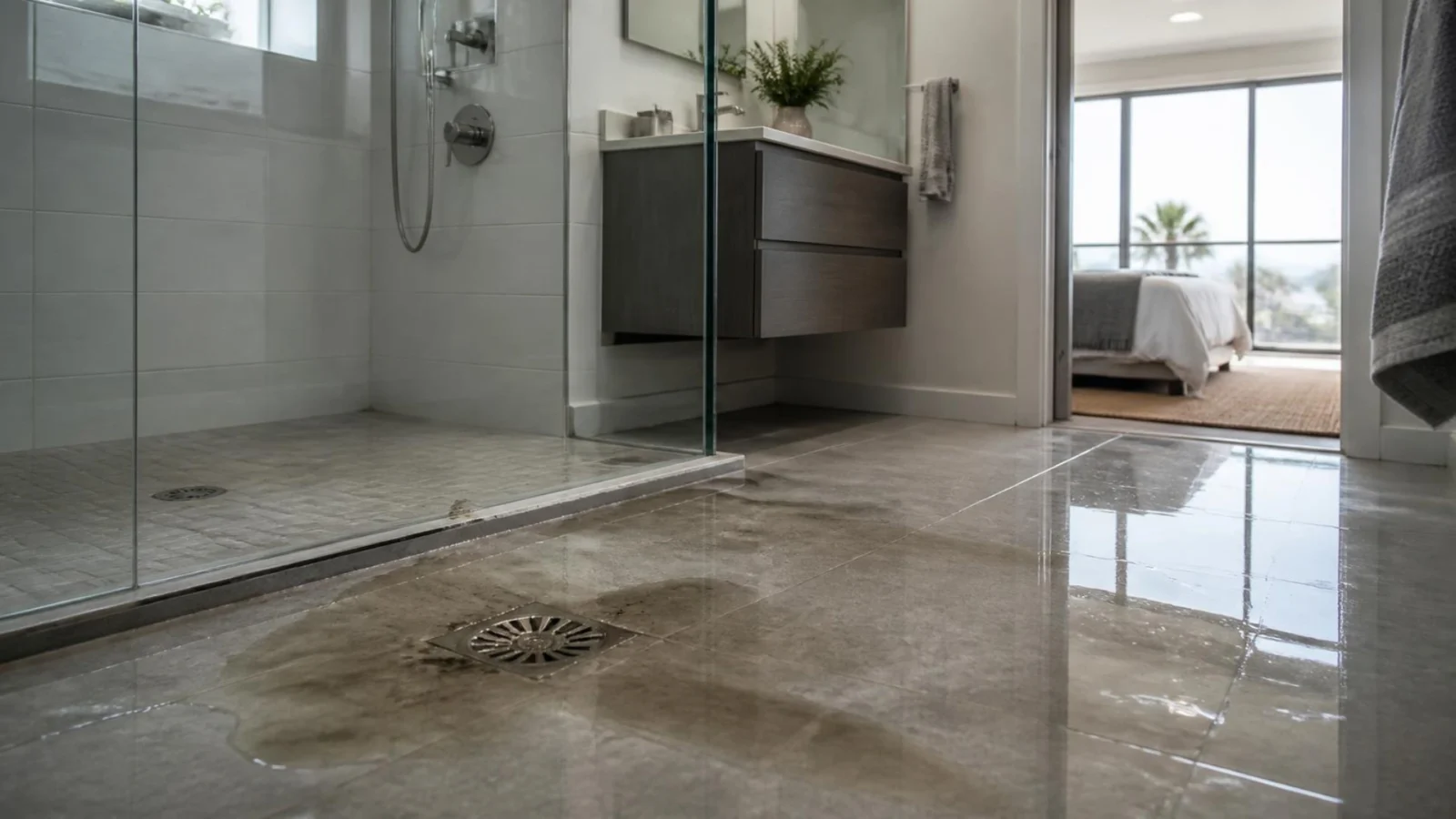
When a single sink slows down, the problem is usually nearby. When the tub, toilet, and laundry standpipe all start misbehaving at once, the trouble often lies deeper in the plumbing system. Edmond homeowners may first notice a toilet bubbling when a shower drains or water rising in a tub after a washing machine cycle. These symptoms across multiple fixtures can point to a main sewer line restriction rather than a simple hair clog in one P-trap. This article explains the early signs of a whole-house drainage problem, what commonly causes it, safe checks you can do, how professionals pinpoint the blockage, and practical steps to reduce the chance of a repeat.
-
Early Clues From Toilets, Tubs, and Floor Drains
Pay attention to where water appears, not just where it drains. If a basement or garage floor drain backs up when an upstairs shower runs, wastewater may meet resistance in the main line and return through the lowest available opening. A toilet that gurgles as a sink drains may indicate that air or wastewater movement in the drainage system is being disrupted. If the laundry standpipe overflows during a washing machine cycle while other fixtures are also draining slowly, the large volume of discharge may simply be exposing a partial blockage in the main line.
Consider two realistic situations. A family runs the dishwasher while someone takes a shower, and the tub suddenly begins filling with gray water. In another case, you flush a toilet and hear bubbling from the nearby bathroom sink. In both situations, more than one fixture is affected, which often indicates trouble beyond a single trap. For recurring issues, you can find practical guidance on plumbing services in Edmond, OK that explains when basic home troubleshooting should give way to professional diagnosis.
-
What Typically Causes a Whole House Backup
Tree roots are a common cause, particularly where mature trees grow near a sewer lateral. Small roots can enter through pipe joints or cracks, then expand and catch paper and other debris. Grease is another common problem because it can cool and coat the inside of pipes, gradually reducing the line’s effective diameter. Over time, solids may collect until ordinary household water use is enough to trigger a backup.
In older neighborhoods, clay pipe or aging cast iron can shift, corrode, or develop rough interior surfaces that catch waste. Even newer PVC piping can develop a low section if surrounding soil settles, allowing water and solids to collect instead of flowing freely.
Household habits can also contribute. Products marketed as flushable wipes and thicker paper items don’t always break down as readily as toilet tissue, making them more likely to lodge at joints or bends. Several showers and laundry loads in a short period can expose a partial obstruction that went unnoticed during lighter use. Soil movement after drought or heavy rain may also place stress on buried pipes. In homes with backwater protection, a damaged or malfunctioning valve can create additional drainage concerns. Each of these conditions can increase the likelihood that several fixtures will show symptoms at the same time.
-
Safe Checks You Can Do Before You Call
Begin by locating the exterior sewer cleanout if you know where it is. It is commonly a capped PVC or ABS fitting near the foundation, driveway, or property line. Because a blocked sewer line can contain pressurized wastewater and harmful contaminants, avoid removing the cap if sewage is already backing up or if you are unsure how to open it safely. A plumber can inspect the cleanout and determine whether the main line is holding wastewater.
Reduce water use immediately if several fixtures are backing up. Avoid running the washing machine, dishwasher, or multiple showers until you clear the restriction. This reduces the amount of wastewater entering an already limited drainage system.
Avoid using chemical drain cleaners in a suspected main sewer blockage. They may damage some plumbing materials and can create a hazardous situation for anyone who later opens or mechanically clears the line. Repeated forceful plunging may also damage seals around plumbing fixtures. If a toilet threatens to overflow, stop additional water from entering the bowl and close the fixture shutoff valve if you can reach it safely. Move rugs, boxes, furniture, and valuables away from nearby floor drains or laundry areas to protect them if the backup worsens.
-
How Professionals Pinpoint the Problem
Professional diagnosis usually begins with proper access to the sewer line. A technician may use a cleanout to send a drain camera through the main line, recording the pipe interior as the camera travels toward the municipal connection. The camera can reveal root intrusion, low sections, cracks, scale, and other defects. An above-ground locating device can identify the camera’s position and depth, helping the technician pinpoint a problem beneath a lawn, flower bed, driveway, or slab.
The correct clearing method depends on what the inspection reveals. Mechanical cable equipment with an appropriate cutting attachment can remove some root growth and break through certain blockages. Hydro jetting uses high-pressure water to remove grease, scale, and accumulated debris from pipe walls, but you must consider the pipe’s condition before using this method.
If a section of pipe has collapsed or shifted enough to create a recurring obstruction, repair or replacement may provide a more durable solution. Depending on the property, pipe condition, and available access, trenchless methods such as lining or pipe bursting may reduce surface disruption compared with traditional excavation. A professional inspection helps determine the right approach.
-
Preventing the Next Backup in Edmond’s Seasonal Conditions
Prevention depends on both household habits and maintenance. Put wipes, paper towels, and hygiene products in the trash rather than flushing them. Collect cooking grease in a suitable container instead of pouring it down the drain. Drain strainers in tubs and showers can also help prevent hair from accumulating farther down the plumbing system.
If mature trees grow near the sewer lateral and roots have caused previous problems, periodic inspection or maintenance may help identify new intrusion before a complete blockage develops. Sewer lines with recurring grease buildup may also benefit from professional cleaning at appropriate intervals.
For homes with fixtures located below street level, a properly functioning backwater valve may help protect against reverse flow from the municipal sewer under certain conditions. Ask a plumber to inspect the valve during routine service if your home has one. Plumbing vents should also remain open and functional because restricted venting can contribute to drainage noise and poor fixture performance.
Walk around the property periodically and watch for persistent soggy areas, unusual depressions, or other changes along the likely path of the sewer lateral. These conditions do not always indicate sewer damage, but they may justify a camera inspection if they appear alongside recurring drainage problems.
Respond Early to Multiple Drain Problems
Multiple slow drains can act as an early warning that a larger plumbing problem is developing. If several fixtures begin backing up or gurgling together, reduce water use and avoid chemical treatments that can complicate professional service. When the main sewer line needs more than basic fixture maintenance, a camera inspection and the right clearing method can address both the immediate obstruction and the underlying cause.
Good household habits, timely maintenance, and attention to recurring warning signs can reduce the risk of another messy backup. Catching a developing sewer problem early can also help protect flooring, walls, belongings, and plumbing fixtures from avoidable water damage. In plumbing, a careful response is usually more effective than a hurried one.