

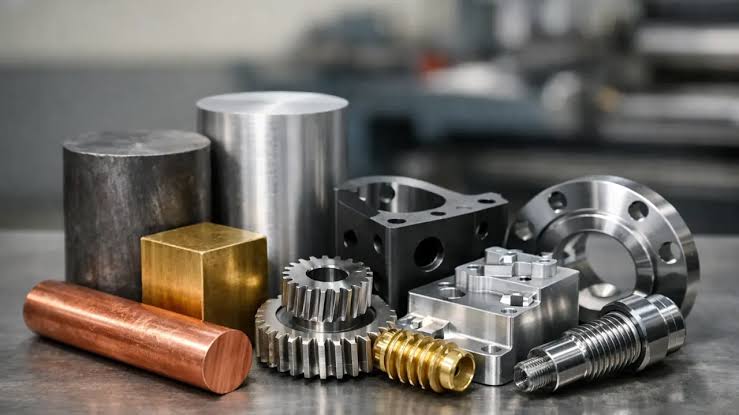
Industrial infrastructure is built to perform reliably under demanding conditions, often for decades. However, its service life depends on more than engineering design and construction quality. The materials selected for pipes, structural components, tanks, valves, supports, and equipment can significantly affect durability and performance. Choosing materials based on operating conditions, environmental exposure, mechanical demands, and maintenance requirements can help prevent premature deterioration and costly disruptions.
Understand The Operating Environment
The environment in which industrial infrastructure operates is one of the most important factors in material selection. Temperature, pressure, humidity, chemical exposure, vibration, and contact with abrasive substances can all affect how materials perform over time. A material that works effectively in one facility may deteriorate quickly when exposed to significantly different operating conditions.
For example, industrial systems that handle corrosive chemicals require materials capable of resisting chemical attack. Similarly, infrastructure exposed to high temperatures needs materials that can maintain their mechanical properties under thermal stress. Outdoor installations may face additional challenges, including rain, salt-laden air, ultraviolet exposure, and fluctuating temperatures.
Material selection should therefore begin with a detailed assessment of actual and anticipated operating conditions. Engineers should consider not only normal operating parameters but also temporary conditions such as startup, shutdown, cleaning, maintenance, and emergencies. Understanding these factors helps establish material requirements that support long-term reliability.
Environmental conditions around a facility should also be evaluated. Coastal locations, industrial zones with corrosive atmospheres, underground installations, and areas with high humidity can expose materials to different forms of deterioration. Accounting for these conditions during design can reduce the likelihood of premature material failure.
Evaluate Corrosion Resistance
Corrosion is one of the most common threats to industrial infrastructure. It can gradually reduce material thickness, weaken components, create leaks, and eventually compromise structural or operational integrity. Although corrosion may develop slowly, its financial impact can be substantial when it results in unplanned repairs, production interruptions, or component replacement.
Different materials have different levels of resistance to specific corrosive environments. The appropriate choice depends on the substance involved, concentration, temperature, pressure, exposure duration, and other operating factors. Material compatibility should therefore be evaluated before components are specified or purchased.
Consider Internal And External Corrosion
Internal corrosion can occur when pipes, tanks, or process equipment come into contact with aggressive fluids. External corrosion can develop because of atmospheric moisture, chemicals, soil conditions, or condensation. In some applications, protective coatings, linings, insulation systems, or corrosion-control measures may complement the selected base material.
Material selection and corrosion protection should be considered together. Choosing a resistant material may reduce maintenance requirements, while an appropriate protective system can provide an additional layer of defense. The objective is to create an overall infrastructure system capable of maintaining its required performance throughout its intended service life.
Match Materials To Mechanical Requirements
Industrial infrastructure must withstand more than everyday operating conditions. Components may experience internal pressure, external loads, impact, vibration, thermal expansion, repeated stress, and mechanical wear. Selecting materials based primarily on initial cost without considering these demands can increase the likelihood of premature failure.
Strength and toughness are particularly important for components exposed to significant mechanical loads. Materials must have suitable properties for the intended application and operating range. A component that is sufficiently strong under normal conditions may still be unsuitable if it becomes brittle at low temperatures or loses strength when exposed to elevated temperatures.
Fatigue is another important consideration. Repeated pressure cycles, vibration, thermal fluctuations, or mechanical movement can gradually contribute to fatigue damage. For infrastructure expected to experience frequent cycles, material characteristics and component design should be evaluated together to reduce long-term fatigue risks.
Abrasion and erosion can also affect service life. Systems transporting fluids containing solid particles may experience accelerated wear in areas where flow velocity or turbulence is high. Material selection should account for these conditions, particularly in bends, fittings, valves, pumps, and other components that may experience concentrated wear.
Consider Temperature And Pressure Conditions
Temperature and pressure have a direct influence on material performance. Industrial facilities can operate across a wide range of conditions, from extremely cold environments to processes involving elevated temperatures and high pressures. Materials must be capable of maintaining appropriate mechanical and chemical properties within the complete operating range.
Temperature changes can also cause expansion and contraction. When different materials are connected within the same system, differences in thermal expansion can introduce additional stresses. Engineers should consider these effects when selecting materials and designing connections, supports, joints, and expansion provisions.
Pressure requirements should likewise be evaluated carefully. Pipes, vessels, fittings, and other pressure-containing components must be appropriate for the system’s operating pressure and potential pressure fluctuations. Safety margins and applicable engineering requirements should be considered as part of the design process.
It is also important to account for abnormal conditions. Pressure surges, rapid temperature changes, and emergency shutdowns can expose infrastructure to stresses that are not present during steady operation. Anticipating these scenarios can help project teams select materials that remain dependable beyond ideal operating conditions.
Balance Durability With Cost
Material selection involves more than finding the strongest or most corrosion-resistant option available. The most technically advanced material may have a significantly higher purchase price, require specialized fabrication, or involve more complex installation and maintenance. A practical decision should consider the material’s total cost over its expected service life.
Initial procurement costs are only one part of the equation. Maintenance frequency, inspection requirements, replacement intervals, labor costs, downtime, protective treatments, and disposal expenses can all influence the long-term financial impact of a material choice. A less expensive material may become costly if it requires frequent repairs or replacement.
Evaluate Life-Cycle Costs
Life-cycle costing provides a broader way to compare material alternatives. Instead of focusing exclusively on the initial purchase price, project teams can estimate costs associated with installation, operation, maintenance, repair, replacement, and eventual decommissioning.
For industrial piping supply in Utah, this approach can be particularly useful when comparing materials with different durability characteristics. A material with a higher upfront cost may provide economic value if it offers a longer service interval, greater resistance to the operating environment, or reduced maintenance requirements.
However, durability should not be considered in isolation. Availability, fabrication requirements, compatibility with existing systems, installation procedures, and workforce capabilities can also influence the practical suitability of a material. A balanced assessment can help organizations make decisions that support both technical performance and financial sustainability.
Account For Maintenance And Inspection Requirements
Even durable materials require appropriate inspection and maintenance. Infrastructure is exposed to changing operating conditions throughout its service life, and deterioration can occur despite careful material selection. Establishing inspection practices early allows organizations to monitor asset condition and identify developing problems before they become major failures.
Inspection strategies should reflect the material and environment involved. Different forms of deterioration may require different inspection methods, frequencies, and acceptance criteria. Areas exposed to corrosion, high stress, vibration, erosion, or repeated thermal cycling may require closer monitoring than components operating under relatively stable conditions.
Maintenance planning should also consider accessibility. A highly durable component may still become difficult or expensive to maintain if it is installed in a location that requires extensive shutdowns, specialized equipment, or complicated access procedures. Design teams should consider future inspection and maintenance activities while infrastructure is still being planned.
Accurate maintenance records can further improve long-term asset management. Recording inspection findings, repairs, operating conditions, and component replacements helps organizations identify recurring deterioration patterns. Over time, this information can support better maintenance planning and future material-selection decisions.
Support Compatibility And System Integration
A material does not operate independently from the rest of an industrial system. Pipes connect to valves, pumps, tanks, vessels, fittings, supports, and other components. The compatibility of these materials can influence overall system performance and durability.
Material combinations should be assessed for potential issues such as galvanic corrosion, chemical incompatibility, thermal expansion differences, and connection challenges. Combining dissimilar metals, for instance, may create conditions that accelerate corrosion if appropriate controls are not implemented.
Joining methods are equally important. Welding, bolting, threading, bonding, and other connection techniques have different requirements depending on the selected material. Fabrication procedures should be compatible with material properties and applicable engineering requirements.
System integration should also consider future modifications. Industrial facilities may be expanded, upgraded, or repurposed during their operating lives. Selecting materials and connection systems that support practical maintenance and future changes can improve flexibility while reducing the challenges associated with later modifications.
Use Standards And Technical Data To Guide Selection
Material decisions should be supported by reliable technical information rather than assumptions based solely on familiarity or initial cost. Engineering teams should review relevant material specifications, mechanical properties, chemical compatibility information, temperature limitations, pressure ratings, manufacturing requirements, and applicable industry standards.
Documentation is particularly important for critical infrastructure. Material certificates, inspection records, test results, and traceability information can provide evidence that components meet specified requirements. Maintaining these records also supports future maintenance, audits, inspections, and replacement planning.
Standards can provide a consistent framework for evaluating materials and their intended applications. However, compliance with a standard does not automatically mean that every material is suitable for every environment. Project-specific operating conditions still need to be considered when making the final selection.
Early collaboration between engineers, procurement teams, contractors, and maintenance personnel can further improve decisions. Combining technical knowledge with practical installation and maintenance experience can reveal considerations that may not be obvious when material selection is handled in isolation.
Conclusion
Material selection plays a fundamental role in determining how industrial infrastructure performs throughout its service life. By evaluating corrosion, mechanical loads, temperature, pressure, compatibility, maintenance, and life-cycle costs, organizations can make more informed decisions about materials and components. A well-planned selection process can reduce premature deterioration, support operational reliability, and help infrastructure remain fit for purpose for years to come.