

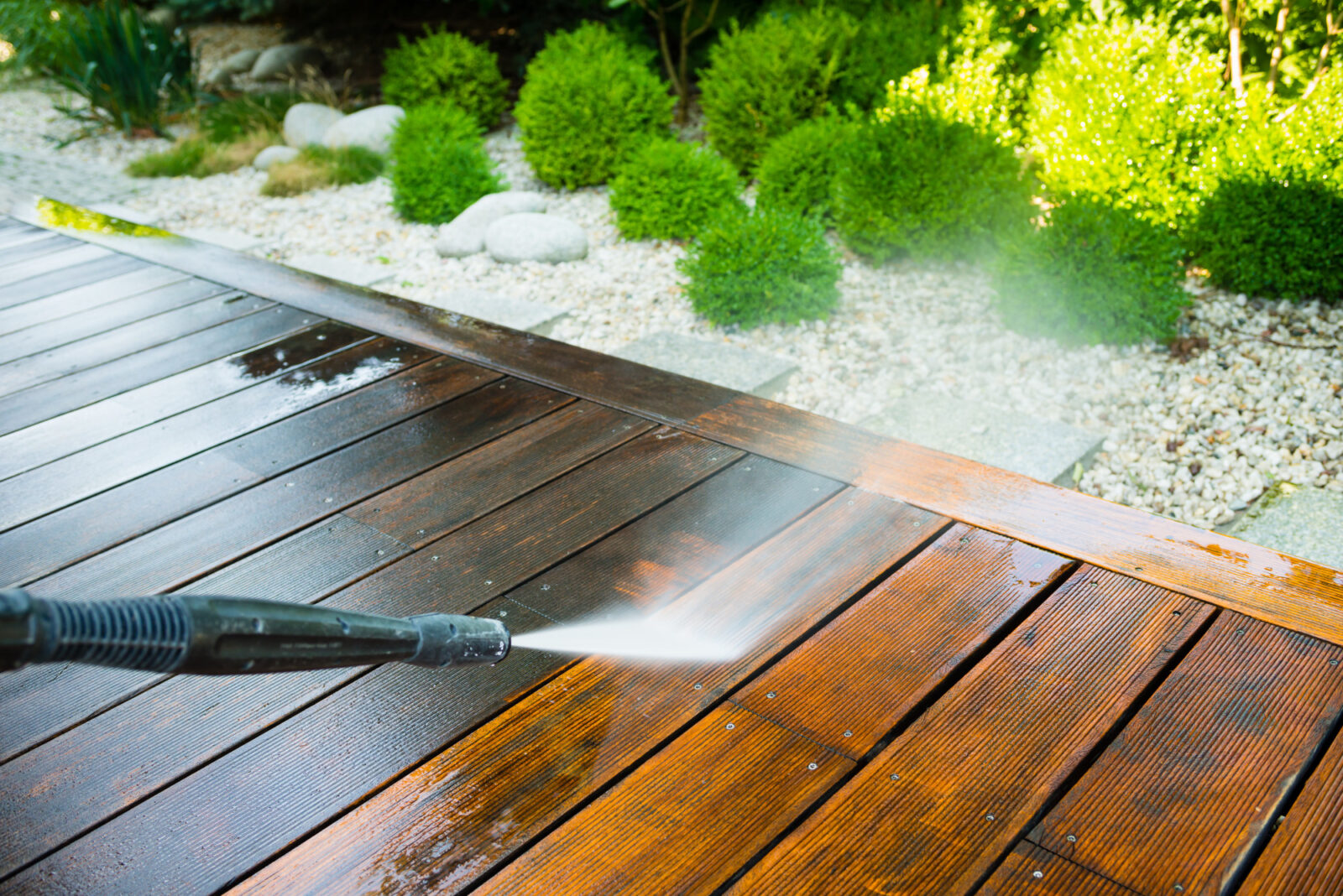
Exterior grime is not all the same, and neither are the methods used to remove it. Algae on vinyl siding, oil on a driveway, rust on pavers, and mildew on a shaded deck each respond differently to water pressure, detergents, and technique. The best results come from matching the cleaning method to the material and the soil. This article explains when soft washing (low pressure with chemistry) outperforms high-pressure rinsing, when higher PSI is appropriate, what to avoid on delicate surfaces, and how temperature, dwell time, and rinsing affect the outcome. With a few practical checks and the right setup, you can clean faster, extend surface life, and avoid costly etching, water intrusion, or raised wood grain.
-
What Soft Washing Does That Pressure Alone Cannot.
Soft washing pairs low pressure with detergents so chemistry does most of the work. A common approach uses a diluted sodium hypochlorite solution (often 0.5 to 2% on the surface) plus a surfactant to help it cling to siding, soffits, and fascia. After a short dwell time, a wide 40-degree tip and garden hose level-pressure rinse away dead organics. This method is ideal for vinyl siding, painted trim, and asphalt shingles where high PSI can force water under laps or lift granules. In humid regions or on north-facing walls where algae thrives, homeowners in places like Middlesex often see faster regrowth if they rely on water pressure alone; soft washing leaves less organic residue to feed the next bloom.
-
When Higher PSI Is Appropriate: Concrete, Pavers, and Prep Work
Harder, dense surfaces tolerate and sometimes benefit from higher pressure when used correctly. A 15 to 20 inch surface cleaner powered by 3 to 4+ GPM at 2500 to 3500 PSI levels out stripes on broom-finished concrete faster than a wand alone. Pre-treating organic staining with a light sodium hypochlorite mix and post-treating after the wash help even out shadowing. Oil spots respond to a degreaser followed by hot water when available. Rust often needs oxalic acid or a specialty remover rather than more PSI. Keep the nozzles moving; holding a wand too close can etch the cream layer, expose aggregate, and create permanent zebra patterns. On interlocking pavers, rinse from a distance to avoid blasting out joints, then re-sand with polymeric sand and allow 24 to 48 hours of dry weather before sealing.
-
Materials That Demand Caution: Vinyl, Stucco, and Wood Grain
Some surfaces are fragile in specific ways. Vinyl siding often oxidizes into a chalky film; aggressive pressure can create tiger striping and force water behind J channels and window trim. Soft washing with a 40-degree or 25-degree tip and a controlled mix clears oxidation and algae without driving water into the wall assembly. Stucco’s hairline cracks wick moisture; use low pressure, apply chemistry gently, and rinse downward to avoid saturating weep screeds. Wood fibers raise easily. On cedar or pine decks, blasting with 2500 PSI can cause furring and splintering, which then require sanding. A better approach uses an oxygenated cleaner or a mild detergent, a wide fan pattern (40 degrees), and 800 to 1200 PSI at increased distance, rinsing with the grain. For black mildew in pores, a lightbleach-basedd wash followed by a thorough neutral rinse often works better than more pressure.
-
Detergents, Dwell Time, and Rinse Technique Matter More Than You Think
Chemistry and timing drive consistent results. Cool, overcast days usually require longer dwell time for sodium hypochlorite to oxidize organic growth; hot, sunny conditions shorten dwell because solutions dry faster and can spot glass or dull paint. Keep walls wet enough for chemistry to work, but never let strong mixes dry in place. Pre-wet landscaping, bag delicate shrubs, and rinse plants again afterward; a simple garden hose rinse can dilute overspray effectively. Downstream injectors, dedicated soft wash pumps, and surfactants that improve cling all reduce the need for PSI. Avoid the 0-degree red tip entirely; a 25-degree green or 40-degree white tip is safer for most rinsing. For stubborn mildew, gentle agitation with a soft brush helps chemistry penetrate. On gutters with “tiger stripes,” a butyl-based gutter cleaner on a microfiber pad removes electrostatic streaks that bleach alone will not touch.
Seasonal Timing and Aftercare for Longer Lasting Results
Timing affects both safety and durability. Spring and early fall usually offer stable temperatures and fewer afternoon thunderstorms, so detergents stay wet and work evenly. Avoid freezing conditions, which can crack stucco or damage pumps. After cleaning, small habits extend the results: redirect sprinklers that wet siding daily, trim shrubs that hold moisture against walls, and sweep leaf litter before it stains concrete. On driveways, a light post-treatment with a dilute bleach solution reduces organic regrowth in porous areas. For decks, let the moisture content drop to around the mid teens before staining or sealing; rushing this step can trap water and lead to peeling. There is a trade-off between one aggressive “once a year” cleaning and gentler, more frequent maintenance. Softer methods with chemistry may take slightly longer on the day of service but reduce surface wear over time, especially on wood and painted substrates.
Choosing between soft washing and higher pressure cleaning is less about owning a strong machine and more about understanding materials, soils, and technique. Match chemistry to the staining, use the widest practical nozzle, and let dwell time do the heavy lifting. Keep the wand moving on hard surfaces, keep pressure low around laps and trim, and protect landscapes with generous rinsing. Test an inconspicuous spot before committing to a method, especially on aged concrete, oxidized siding, or weathered wood. With the right combination of detergent, dwell, flow, and rinse, you can remove algae, mildew, oil, and rust while preserving siding profiles, deck fibers, and the cream layer of concrete for years to come.