

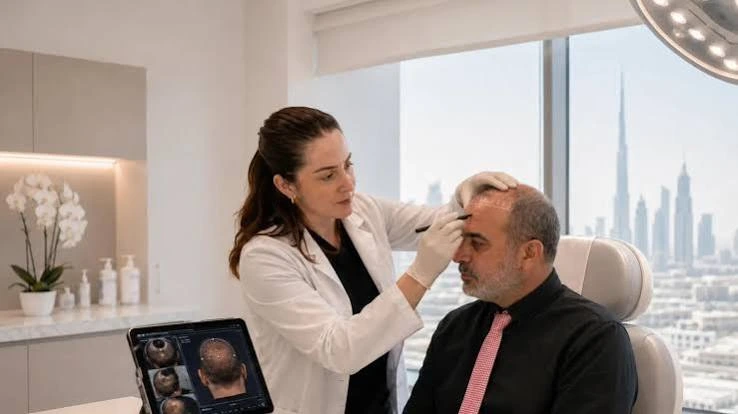
Hair plays an important role in personal appearance and confidence. However, excessive shedding, receding hairlines, and gradual thinning can affect people at different stages of life. Finding the best hair clinic Dubai residents can rely on starts with understanding the reasons behind hair loss and exploring treatments that address individual scalp concerns. Modern hair restoration focuses on identifying the underlying problem rather than simply covering visible thinning.
Understanding Why Hair Health Matters
Healthy hair growth depends on several factors, including genetics, hormones, nutrition, scalp condition, and overall health. Losing approximately 50 to 100 hairs daily is generally part of the natural hair cycle. However, persistent shedding, visible scalp areas, or reduced hair density may indicate an underlying concern that deserves professional attention.
Hair follicles move through different growth phases. When these phases become disrupted, hair may become thinner, grow more slowly, or stop growing altogether. Recognising these changes early can help individuals explore suitable treatment options before the concern progresses.
Common Causes of Hair Thinning and Excessive Shedding
Hair loss does not have one universal cause. Several factors can contribute to changes in hair density and scalp health.
Genetic factors: Hereditary hair loss, also called androgenetic alopecia, is one of the most common reasons for gradual thinning in men and women. It often affects the hairline, crown, or central scalp.
Hormonal changes: Pregnancy, menopause, thyroid disorders, and other hormonal fluctuations can influence the hair growth cycle.
Nutritional deficiencies: Insufficient iron, protein, vitamin D, and other essential nutrients may contribute to excessive shedding.
Stress and illness: Physical stress, significant emotional events, infections, and certain illnesses can trigger temporary hair shedding.
Scalp conditions: Inflammation and certain dermatological conditions can interfere with healthy follicle function.
Lifestyle factors: Poor nutrition, inadequate sleep, and certain medications may also influence hair health.
Understanding the cause is essential because different forms of hair loss require different approaches.
Signs That You May Need Professional Hair Care
Occasional shedding is normal, but certain changes should not be ignored. These include increased hair accumulation during washing, a widening parting, reduced ponytail thickness, visible scalp areas, and a gradually receding hairline.
Sudden or patchy hair loss, particularly when accompanied by itching, redness, pain, or scaling, should receive medical assessment. A dermatologist can examine the scalp, review medical history, and recommend additional investigations where necessary.
Modern Non-Surgical Hair Restoration Options
People exploring the best hair clinic Dubai options may come across several non-surgical therapies designed to support scalp health and improve the appearance of thinning hair. Treatment selection depends on the cause, severity, medical suitability, and individual expectations.
1. Platelet-Rich Plasma Therapy
Platelet-rich plasma, commonly known as PRP, uses a concentrated portion of the patient’s own blood. After collection, the sample is processed to separate platelet-rich plasma, which is then administered to selected scalp areas.
Platelets contain growth factors involved in the body’s natural repair processes. PRP is used in selected patients to support follicle activity and improve hair density. Results vary, and it is not suitable for every type of hair loss.
2. Growth Factor Concentrate Treatment
GFC treatment involves isolating concentrated growth factors from a blood sample. These are applied through targeted scalp injections to support follicular activity and improve scalp health.
3. PRP with Biotin
This approach combines PRP with biotin as part of a specialised treatment protocol. Its suitability should be determined following an assessment rather than assuming that every person with thinning hair needs additional supplementation.
4. Exosome Therapy
Exosome-based approaches use cellular signalling components intended to support tissue communication and repair. Their use in hair restoration is an evolving area, and patients should discuss the available evidence, regulatory status, and expected outcomes with a qualified clinician.
5. Maxxi PRP
Maxxi PRP is described as an intensified platelet preparation designed to provide concentrated biological support to thinning scalp areas. The appropriate protocol depends on individual clinical requirements.
Why Personalised Diagnosis Makes a Difference
A successful hair restoration plan begins with an accurate assessment. Two people experiencing similar levels of shedding may have completely different underlying conditions. One may have hereditary thinning, while another may be experiencing temporary shedding following illness or nutritional deficiency.
A specialist may review family history, medication use, recent health changes, scalp appearance, and the pattern of hair loss. Blood tests or other investigations may be recommended when clinically appropriate.
This approach helps avoid unnecessary procedures and supports better-informed treatment decisions.
What Happens During a Hair Treatment Consultation?
An initial consultation generally includes a discussion of concerns, medical history, and desired outcomes. The scalp and hair are examined to understand the pattern and possible cause of thinning.
If a non-surgical procedure is appropriate, the specialist explains preparation, treatment steps, possible discomfort, aftercare, and the expected number of sessions. For blood-based treatments, a sample is collected and processed before targeted application.
Patients should follow the instructions provided by their treating professional and report unusual symptoms after a procedure.
How to Maintain Healthier Hair Between Sessions
Professional procedures are only one part of maintaining hair health. Consistent everyday habits can also make a difference.
- Include adequate protein and a balanced range of nutrients in daily meals.
- Avoid hairstyles that repeatedly pull tightly on the roots.
- Limit excessive heat styling and harsh chemical treatments.
- Choose suitable hair and scalp care products.
- Follow medical advice when managing hormonal or nutritional concerns.
- Maintain a regular sleep schedule and manage ongoing stress.
- Attend recommended follow-up appointments to monitor progress.
Avoid starting supplements or stopping prescribed medication without professional advice.
Understanding Treatment Expectations and Costs
Hair restoration is a gradual process, and visible changes do not happen immediately. Outcomes depend on the underlying diagnosis, follicle condition, treatment method, consistency, and individual response.
Costs also vary according to the selected therapy, number of sessions, and complexity of the treatment plan. A consultation is the best way to understand the expected investment and determine whether a procedure is appropriate.
Patients should be cautious of guaranteed results or claims that one treatment works for every type of hair loss.
Conclusion
Choosing the right hair restoration approach requires more than comparing procedures or promotional offers. Accurate diagnosis, qualified clinical guidance, appropriate technology, and realistic expectations are essential for making an informed decision. For individuals considering professional hair care in Dubai, Cutis International provides personalised consultations and non-surgical options, including PRP, GFC, PRP Biotin, Exosome Therapy, and Maxxi PRP. Exploring hair treatment for hair loss and understanding suitable hair treatment for hair loss options with a specialist can be a practical first step towards better scalp care and healthier-looking hair.