

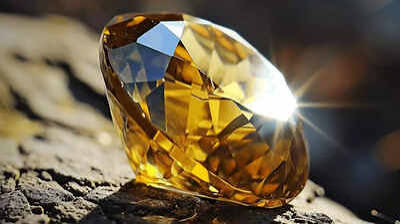
Gemstones have long held a special place in Indian traditions, where their beauty, symbolism, and astrological associations continue to attract interest. Among them, yellow sapphire is admired for its bright golden appearance and its connection to prosperity and wisdom.
Often associated with Jupiter, this gemstone has been traditionally linked with learning, abundance, optimism, and spiritual growth. The Pukhraj stone is also valued for its durability, natural brilliance, and versatility in jewellery. Understanding its characteristics, quality factors, traditional significance, and care can help buyers make more informed choices.
Understanding the Traditional Value of Pukhraj Stone
The gemstone carries a distinctive place in traditional astrology, where its symbolism extends beyond colour and jewellery appeal.
-
Connection With Jupiter
Yellow sapphire is traditionally associated with Jupiter, known as Guru or Brihaspati in Vedic astrology. Jupiter is connected with wisdom, learning, growth, abundance, and positive opportunities. Because of this association, the gemstone is often considered meaningful for people seeking greater focus on knowledge, personal development, prosperity, and spiritual awareness.
-
Symbolism of Wisdom and Prosperity
The golden-yellow appearance of yellow sapphire has traditionally represented abundance, knowledge, optimism, and good fortune. For many wearers, its cultural significance makes it more than a decorative gemstone. People interested in traditional gemstone practices may view it as a symbolic reminder of learning, positive thinking, financial growth, and balanced personal development.
-
Natural Beauty and Durability
Yellow sapphire belongs to the corundum mineral family and has a hardness of 9 on the Mohs scale, making it suitable for everyday jewellery. Its shades can range from pale yellow to vivid golden tones. Colour, clarity, cut, and carat weight all contribute to its visual appeal and market value.
-
Traditional Astrological Considerations
In Vedic astrology, yellow sapphire is commonly connected with Sagittarius and Pisces and is considered particularly relevant when Jupiter has a significant role in an individual’s horoscope. However, gemstone suitability is traditionally determined through personal astrological analysis rather than simply selecting a stone based on zodiac sign alone.
-
Selecting Quality With Care
When buying a yellow sapphire, consider its origin, colour, clarity, treatment status, cut, carat weight, and certification. Natural gemstones can contain inclusions, and qualified professionals should evaluate these characteristics. Independent certification can provide useful information about authenticity and help buyers understand the stone they are considering.
-
Jewellery and Everyday Wear
Yellow sapphire can be fashioned into rings, pendants, earrings, and other jewellery designs. Gold is traditionally preferred for its setting, although the final choice depends on design preferences and individual requirements. Its strong hardness makes it relatively suitable for regular wear, provided the gemstone is protected from harsh chemicals, impacts, and improper handling.
Key Characteristics That Define Quality Yellow Sapphire
Choosing a gemstone requires attention to physical characteristics, certification, sourcing, and personal preferences, not appearance alone.
-
Colour and Visual Appeal
Colour is one of the most noticeable characteristics of yellow sapphire. Stones may display pale, lemon, bright, or deeper golden-yellow tones. A pleasing, consistent colour can increase visual appeal, while excessive darkness or uneven colouring may affect how the gemstone looks when mounted. Buyers should examine the stone under suitable lighting before deciding.
-
Clarity and Natural Characteristics
Clarity refers to the presence and visibility of internal inclusions or external characteristics. Natural sapphires commonly contain inclusions, and their presence does not automatically indicate poor quality. However, heavily included stones may have reduced transparency or brilliance. A professional gemological assessment can help buyers understand whether the clarity characteristics are natural and acceptable for the intended use.
-
Origin and Responsible Sourcing
Yellow sapphires are found in several locations, including Sri Lanka, Thailand, Madagascar, Cambodia, and parts of East Africa. Origin can influence a gemstone’s market perception and value, particularly when associated with desirable colour and quality characteristics. Responsible sourcing is also important because ethical mining and transparent supply practices contribute to more informed and sustainable gemstone purchasing.
-
Certification and Authenticity
Certification provides valuable information about a gemstone’s identity and characteristics. Buyers should look for reports from credible gemological laboratories that identify the gemstone and disclose relevant treatment information. Certification does not replace professional buying guidance, but it can reduce uncertainty and provide greater transparency when comparing natural stones with treated or synthetic alternatives.
-
Caring for the Gemstone
Proper care helps preserve the appearance of yellow sapphire jewellery over time. Gentle cleaning with mild soap, lukewarm water, and a soft brush can remove everyday residue. Avoid harsh chemicals, strong impacts, and prolonged exposure to intense heat. Storing the gemstone separately in a soft pouch or padded jewellery box can also help prevent scratches and damage.
-
Understanding Market Value
The price of yellow sapphire varies considerably according to carat weight, colour, clarity, origin, cut, treatment, and certification. Premium stones with desirable colour and strong transparency may command higher prices. Buyers should compare these factors rather than judge value solely by size. A certified gemstone with clear quality information can make the purchasing process more transparent and practical.
Choosing the Right Pukhraj for Personal Requirements
A thoughtful purchase should balance traditional expectations with gemstone quality, jewellery preferences, certification, and professional guidance. Those exploring the Pukhraj stone should understand that colour, clarity, origin, treatment, carat weight, and certification can all influence the final selection. Traditional beliefs may also consider horoscope details before recommending a gemstone, making personalised consultation relevant for buyers interested in astrological use. Whether chosen for jewellery, symbolism, or traditional purposes, careful evaluation helps ensure the gemstone meets the buyer’s expectations while offering lasting visual appeal and meaningful value.
Conclusion
Yellow sapphire continues to attract attention because of its distinctive golden appearance, durability, cultural history, and traditional association with Jupiter. Understanding its characteristics and evaluating certification, origin, colour, clarity, treatment, and care requirements can help buyers choose gemstones with greater confidence.
For those searching for Pukhraj Stone in Bangalore, RudraTree offers natural and certified gemstone options supported by personalised astrological guidance. RudraTree focuses on gemstone authenticity, certification, and personalised recommendations, helping customers explore yellow sapphire and other traditional gemstones according to their individual requirements.