

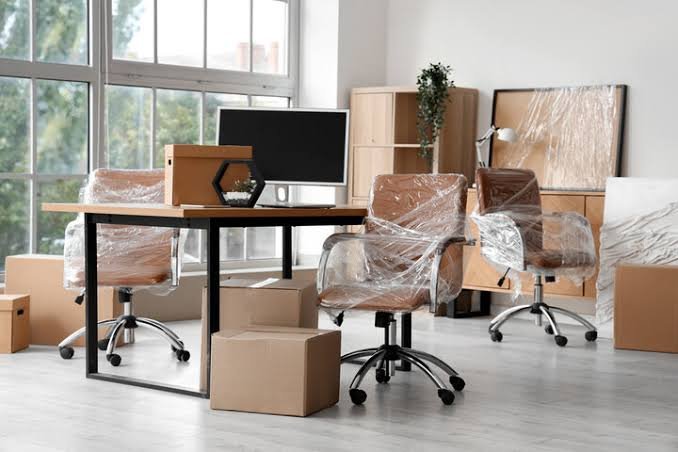
Relocating an office is an important decision for any business, whether the goal is to accommodate a growing team, improve workplace facilities, or move to a more convenient location. However, without proper planning, an office move can interrupt daily operations, delay important tasks, and create unnecessary challenges for employees.
Whether you’re moving your office to Fort Lauderdale or relocating elsewhere in Florida, the process involves several important arrangements. From transporting office furniture to setting up computer systems, every stage requires careful coordination.
A well-organized relocation can help businesses manage these responsibilities while keeping operations running. Here are some practical ways to avoid common delays and disruptions during an office move.
Create a Detailed Office Relocation Plan
Planning is one of the most important steps in managing an office relocation. Moving an entire workplace involves transporting furniture, equipment, documents, and other business essentials while coordinating the schedules of multiple employees.
Start by creating a relocation checklist that identifies important tasks, deadlines, and responsibilities. Include packing arrangements, transportation schedules, utility transfers, and preparation of the new office.
Office relocation involves several tasks, including packing furniture, handling sensitive equipment, and coordinating transportation. Managing these responsibilities alongside regular business operations can be challenging. Professional moving assistance can help businesses organize the relocation process, reduce the workload on employees, and minimize potential delays.
If you’re looking for a Fort Lauderdale office moving company, consider experienced specialists who can coordinate office relocations, handle furniture and equipment, and organize transportation according to your business requirements. Before confirming arrangements, discuss the project schedule, expected completion time, and any special handling requirements.
Assign Responsibilities to the Right Team Members
An office relocation becomes more difficult when employees are unsure who is responsible for specific tasks. Assigning clear responsibilities can help prevent confusion and keep preparations on schedule.
Consider appointing a relocation coordinator who can communicate with employees, contractors, building management, and transportation providers.
Different departments may also need designated representatives to oversee packing, document organization, equipment preparation, and workspace arrangements.
For example, the IT department can manage computer systems and network requirements, while administrative staff can organize important records and office supplies.
Regular progress updates can help everyone understand upcoming deadlines and identify problems before they affect the relocation schedule.
Schedule the Move to Reduce Business Downtime
Choosing the right relocation date can make a significant difference in how smoothly the transition takes place. Businesses should review their operational schedules before deciding when to move.
If possible, avoid periods involving major client meetings, important deadlines, financial reporting, or unusually high workloads.
Some organizations may benefit from scheduling transportation during weekends or outside regular business hours.
However, building access restrictions, employee availability, and contractor schedules should be confirmed before making final arrangements.
For larger workplaces, moving departments in stages may help maintain essential operations while other areas are being prepared.
A realistic schedule should also include additional time for unexpected delays, equipment testing, and final workplace inspections.
Organize Office Furniture and Equipment
Office furniture and equipment require careful preparation before transportation. Desks, chairs, filing cabinets, conference tables, computers, and printers should be organized according to their destination in the new workplace.
Begin by creating an inventory of major office assets and identifying items that need special handling. Label furniture and equipment clearly so they can be delivered to the correct rooms or departments.
Large desks and modular workstations may need to be disassembled before transportation. Keep related components and hardware organized to simplify reassembly. Fragile electronics should be packed using suitable protective materials.
Removing unwanted items before the relocation can reduce the amount of equipment being handled and make the new office easier to organize.
Ensure the Safe Transfer of Computers and IT Systems
Technology-related problems are among the most disruptive challenges businesses can face during an office move.
Computers, internet connections, telephones, printers, and shared networks are essential for many daily operations.
Before relocation day, the IT team should review the equipment that needs to be transferred and confirm that the new workplace has the necessary infrastructure. Important business data should be backed up securely before systems are disconnected.
Label cables, computers, monitors, and related accessories to make installation easier. Arrange internet connections and network access ahead of time rather than waiting until employees arrive.
Once equipment has been installed, test essential systems to confirm that employees can access the applications, files, and communication tools they need.
Protect Important Documents and Business Records
Many workplaces store confidential documents, financial records, employee information, and other important materials.
These items require careful handling during relocation to prevent loss, damage, or unauthorized access.
Begin by organizing documents according to department, importance, and storage requirements.
Use clearly labeled containers and maintain an inventory of physical records being transported. Sensitive documents should be packed securely and handled according to the organization’s confidentiality policies.
Businesses may also consider digitizing appropriate records before the move to reduce dependence on physical files.
Documents that are no longer needed should be disposed of using approved procedures rather than being mixed with general packing materials.
Assigning responsibility for important records can help maintain accountability throughout transportation and unpacking.
Prepare the New Office Before Moving Day
A common cause of relocation delays is arriving at a new workplace that is not ready for employees or equipment.
Before moving day, inspect the property and confirm that essential facilities are operational.
Check electricity, lighting, air conditioning, plumbing, internet connections, and access systems. Make sure any required repairs, painting, cleaning, or construction work has been completed before furniture arrives.
Review the floor plan to determine where desks, meeting areas, storage cabinets, and shared equipment will be positioned.
Clear delivery routes and confirm that elevators, loading areas, and entrances are available for the scheduled move. If the building has specific requirements for commercial relocations, discuss them with property management in advance.
Preparing the destination early can reduce unnecessary waiting and allow employees to settle into their new workspaces more efficiently.
Keep Employees and Clients Informed
Clear communication is essential when a business changes locations. Employees should receive information about the relocation schedule, new office address, transportation arrangements, and expected changes to their daily routines.
Provide updates as important milestones approach so staff members know when to pack personal belongings and prepare their workstations.
Clients, suppliers, and business partners may also need advance notice of the relocation. Update the company website, business listings, email signatures, and other communication materials with the new address when appropriate.
If certain departments will experience temporary interruptions, communicate these changes and provide alternative contact arrangements.
Keeping everyone informed can reduce confusion and help maintain professional relationships throughout the transition.
Planning for a Successful Office Transition
Avoiding delays during an office move requires careful planning, clear communication, and proper coordination between employees and relocation professionals. Businesses should establish realistic schedules, organize equipment, and prepare the new workplace before transportation begins.
Protecting important records, arranging IT connections, and assigning responsibilities can also help reduce interruptions to daily operations.
With thoughtful preparation and the right professional assistance, businesses can manage office relocations more efficiently while maintaining productivity and creating a functional workplace at their new location.