

If you’re thinking about Botox in Salt Lake City, you’re probably not looking for vague beauty advice. You want to know what it does, who it suits, what appointments are really like, and how to avoid paying for a result you didn’t want. Salt Lake City has a growing aesthetic scene, and that means more options, more marketing, and more pressure to choose carefully. A little clarity before you book can save you money, time, and a lot of frustration.
What Botox actually does and what it doesn’t
Botox is a neuromodulator that temporarily relaxes targeted muscles. In cosmetic treatment, it’s often used on forehead lines, frown lines between the brows, and crow’s feet. It can also be used for jaw tension, excessive sweating, and certain facial balancing goals when injected strategically.
What it won’t do is fix every sign of aging. It doesn’t replace lost volume, tighten loose skin, or improve surface texture the way lasers, microneedling, or fillers might. If you go in expecting a full-face reset from a few units, you’ll probably leave disappointed.
A strong provider starts with facial anatomy, movement patterns, and your baseline expression. The goal usually isn’t to erase your face. It’s to soften repetitive motion lines while keeping you recognizable.
Why Salt Lake City has become a serious aesthetics market
Salt Lake City isn’t just catching up with larger cosmetic markets anymore. It has become a place where med spas and aesthetic clinics compete hard on technique, experience, and patient education. That matters if you’re trying to separate polished branding from actual clinical skill.
You’ll notice a mix of patients here. Some want subtle preventive treatment in their 20s or early 30s. Others are looking for maintenance that works with active outdoor lifestyles, dry climate stress, and strong seasonal sun exposure. Utah’s elevation and sun intensity can make skin concerns feel more visible over time, especially when expression lines start settling in.
If you’re comparing options for Botox in Salt Lake City, pay attention to consultation quality, injector credentials, and how clearly the practice explains dosing, timelines, and realistic outcomes.
How to tell whether you’re a good candidate
You don’t need deep wrinkles to be a candidate. Many people start when they notice lines that stick around after their face returns to rest. Others come in because one eyebrow pulls higher, their jaw feels overworked, or they want a less tense look in photos.
Good candidates are usually healthy adults with specific concerns and realistic expectations. If you’re pregnant, breastfeeding, dealing with certain neuromuscular disorders, or have an active skin infection near the treatment area, your provider may tell you to wait.
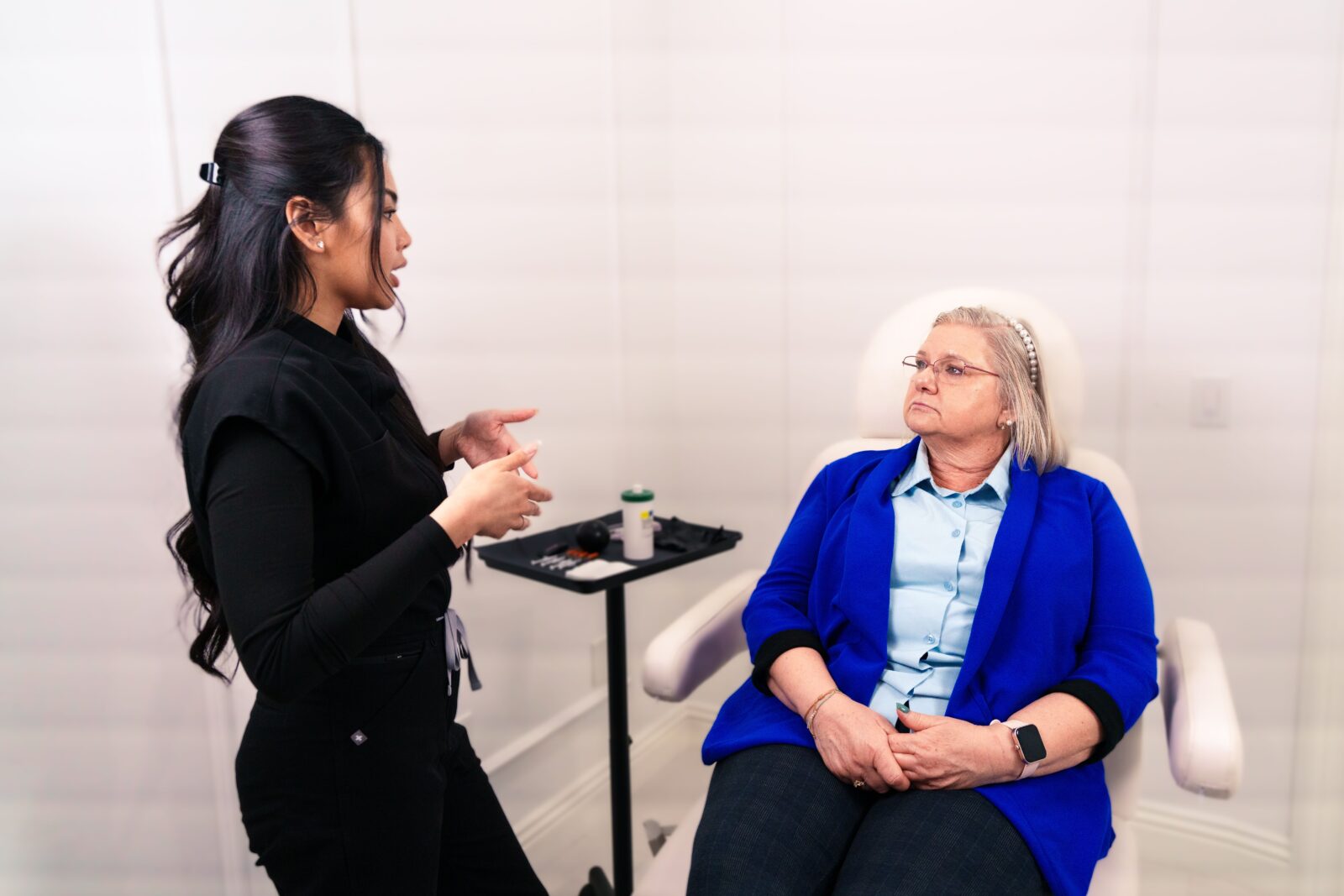
Your consultation should cover more than what bothers you in the mirror. A qualified injector should ask about prior aesthetic treatments, medications, allergies, and whether your goals are event-based or part of a longer treatment plan. That bigger picture shapes better results.
What happens during a Botox appointment
Most appointments are quick. After photos and assessment, your injector maps the treatment areas and may ask you to frown, raise your brows, squint, or clench your jaw. Those movements help them evaluate muscle strength and asymmetry.
The injections themselves usually take only a few minutes. You may feel a brief pinch, but many people find it easier than expected. There’s typically no major downtime, though you may have tiny bumps, mild redness, or a small bruise afterward.
You won’t walk out looking frozen. Botox needs time to bind at the neuromuscular junction. Early effects often show up in a few days, with fuller results around 10 to 14 days. Follow-up matters because small adjustments may be needed, especially if it’s your first treatment.
The biggest mistakes people make before and after treatment
One common mistake is chasing the cheapest price without asking who is injecting and how experienced they are. Botox isn’t just a product purchase. It’s a precision treatment. The same number of units can look very different depending on placement and anatomy.
Another mistake is showing up with goals copied from someone else’s face. Your forehead height, brow position, muscle pull, and skin quality are unique. Good injectors treat patterns, not trends.
After treatment, people sometimes rub the area aggressively, book facials too soon, or expect immediate results by the end of the day. It’s smarter to schedule at least two weeks before a big event. If you’re prone to bruising, ask about avoiding alcohol, fish oil, or certain anti-inflammatory medications beforehand, if medically appropriate and cleared by your provider.
How pricing works and what value really looks like
Botox is often priced per unit, though some clinics quote by area. Per-unit pricing tends to be more transparent because it shows how much product you’re actually receiving. Fewer units may sound cheaper, but underdosing can leave you with weak, short-lived results that don’t justify the visit.
Value isn’t about getting the lowest rate in town. It’s about accurate assessment, clean technique, proper dosing, and a result that fits your face. Paying more for an experienced injector can be the better financial decision if it helps you avoid correction appointments or an unnatural outcome.
Ask how many units are typically used for your concern, how long results tend to last in your case, and whether touch-ups are included or billed separately. Clear answers are usually a sign of a well-run aesthetic practice.
Natural-looking results depend on strategy, not luck
The phrase “I just want it to look natural” sounds simple, but it requires real judgment. Natural Botox usually comes down to restraint, placement, and understanding how different facial muscles interact. Relax one area too much while ignoring another, and your expression can start to look off-balance.
A careful injector often treats movement selectively rather than eliminating it completely. You may still be able to raise your brows or smile fully, just with less creasing or tension. For some patients, lower-dose treatment at shorter intervals works better than going heavy all at once.
This is especially important if you’re new to injectables and worried about looking overdone at school, work, or social events. The best results rarely announce themselves. People may think you look more rested, less stressed, or somehow more polished without spotting exactly why.
How to choose a provider without getting distracted by marketing
Start with credentials, not before-and-after filters. You want a licensed medical professional with training in injectables and a strong understanding of facial anatomy. Experience with cosmetic assessment matters just as much as technical injection skill.
Read reviews carefully, but don’t stop there. Look for signs that the clinic values consultation time, informed consent, individualized plans, and post-treatment support. If every social post focuses on flash sales and dramatic transformations, that can tell you something about priorities.
During your consultation, notice whether the provider listens or pushes. You should feel comfortable asking about product type, unit count, side effects, and what happens if the result needs refinement. A trustworthy clinic won’t rush you into treatment.
When you choose carefully, Botox can be a low-disruption treatment with high satisfaction. The difference usually comes down to planning, precision, and expectations grounded in reality rather than hype.