

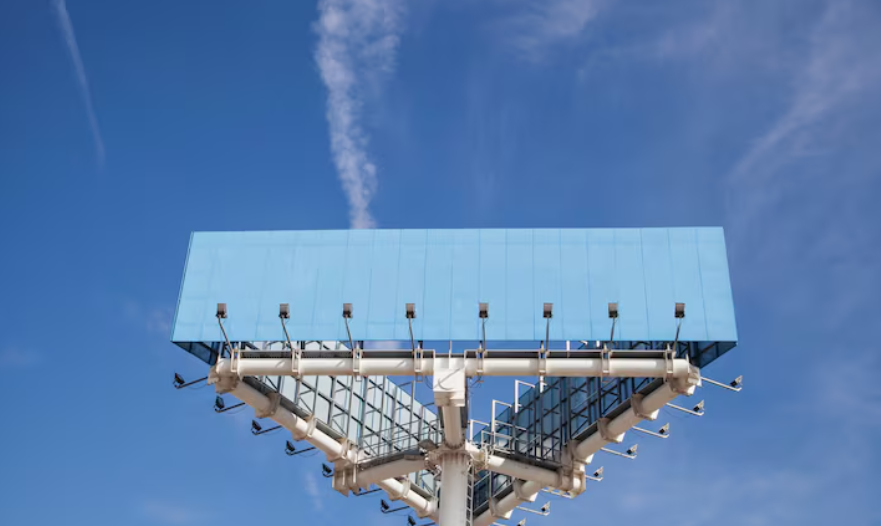
Have you ever driven down the highway and noticed a massive new billboard that seemed to appear overnight? While these towering advertisements might look like they magically popped up, installing a billboard is a surprisingly complicated process.
From scouting the perfect location to operating heavy machinery, plenty of planning goes into getting these eye-catching displays off the ground. Whether traditional or digital, billboards require careful engineering, skilled workers, and serious equipment. Here’s how the installation process works.
First Things First: Finding the Perfect Spot
Before anyone starts digging or assembling steel beams, installers need to find the perfect location. After all, a billboard isn’t much use if nobody can see it.
Businesses often work with a billboard advertising agency to identify high-traffic locations where their advertisements will make the biggest impact. Traffic volume, visibility, surrounding buildings, and driving speeds all influence placement decisions.
A billboard along a busy interstate might reach thousands of commuters daily, while one near a shopping district could attract customers already looking to spend money. Location really is everything.
Permits, Paperwork, and Plenty of Planning
Unfortunately, you can’t just stick a giant advertisement wherever you please. Billboard installation involves dealing with local zoning laws, obtaining permits, and securing permission from property owners. Regulations vary by location, and some communities have strict rules on billboard size, height, and placement.
Engineers also evaluate environmental conditions, structural requirements, and potential safety concerns. This preparation ensures the billboard can withstand everything from thunderstorms to powerful wind gusts. It might not be the most glamorous part of advertising, but paperwork keeps everything running smoothly.
Building a Foundation That Can Handle the Pressure
Once the necessary approvals are secured, construction can officially begin. For freestanding billboards, crews typically excavate the installation site and construct a reinforced-concrete foundation. This underground support system anchors the billboard and helps prevent the structure from shifting or tipping.
The foundation’s size and depth depend on factors like soil conditions, billboard dimensions, and expected wind loads. Considering how much force strong winds can exert on a giant advertising surface, this step is essential for long-term stability.
Bringing in the Big Equipment
Installation crews use cranes, trucks, and specialized lifting equipment to transport and position the billboard’s structural components. Large steel columns are secured to the foundation, followed by the framework that supports the advertising display.
Workers carefully align and fasten each component, ensuring everything meets engineering specifications. It’s a coordinated construction project that requires experienced professionals, precise timing, and plenty of attention to safety.
Installing the Billboard Face: Where the Magic Happens
With the structure standing tall, it’s finally time to give the billboard its personality. Traditional billboards typically feature large printed vinyl advertisements stretched across a sturdy display surface. Installation crews carefully position these graphics, securing them to prevent wrinkles, sagging, or loose edges.
Some billboards use multiple printed sections that must align perfectly to create one seamless image. Once everything is secured, the advertisement is ready to catch the attention of passing drivers.
Digital Billboards Take Installation to Another Level
Digital billboards bring some serious technology into the installation process. Rather than attaching printed advertisements, crews install LED display modules that work together to form a single massive electronic screen. These installations require electrical connections, communication systems, and specialized control equipment.
Technicians also configure the software that displays advertisements and schedules content changes. Unlike traditional billboards, digital displays can rotate through multiple advertisements without anyone having to climb up to replace the graphics. All that technology means additional electrical safety checks, troubleshooting, and maintenance requirements.
Lights, Camera, Inspection
Before a billboard makes its official debut, there’s one final hurdle: inspections. Installation teams check structural connections, mounting hardware, electrical components, and other safety features to ensure everything meets applicable requirements.
For illuminated billboards, technicians test the lighting systems to confirm advertisements remain visible after dark. Digital displays undergo additional testing to verify image quality, brightness settings, and communication systems.
Traditional billboards receive a final visual inspection to catch wrinkles, alignment problems, or damaged graphics. Once the necessary inspections and approvals are complete, the billboard is ready for its big moment.
Keeping Billboards Looking Their Best
Getting a billboard installed is only half the adventure. Routine maintenance helps these towering advertisements remain attractive, functional, and safe. Crews may clean display surfaces, inspect structural components, replace damaged graphics, and repair lighting systems.
Digital billboards also require occasional software updates, electrical inspections, and replacement LED modules. Regular upkeep helps advertisers maintain a professional appearance while extending the structure’s lifespan.
There’s More Behind That Billboard Than Meets the Eye
From construction crews to cutting-edge technology, billboard installation requires serious coordination. Next time you spot one towering over the highway, you’ll know there’s much more behind that advertisement than a catchy slogan.