

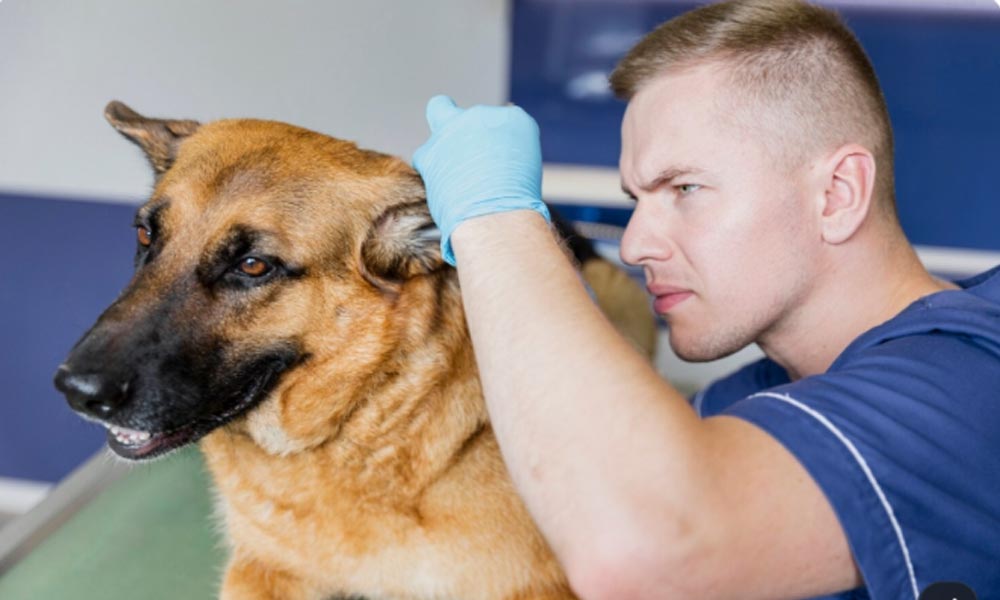
It often starts with head shaking, scratching, or that sour ear smell you notice when your dog leans in close. You clean the ear, hope it passes, and then the symptoms come right back. That cycle is stressful because ear problems in dogs can look similar on the surface, even when the cause and the level of risk are very different. A veterinarian in Greenup County, KY can help determine what is really going on and recommend the right treatment.
That is the core issue with outer vs. middle ear infections in dogs. An infection in the outer ear canal is common and painful, but a middle ear infection can go deeper, last longer, and bring neurologic signs, balance problems, or hearing changes. The symptoms can overlap, which is why the exam for one is not always enough for the other. Dogs with outer and middle ear infections in dogs often need different tests, different treatment plans, and closer follow-up than many owners expect.
Outer ear infections in dogs and middle ear disease do not present the same way
Outer ear infections, often called otitis externa, affect the ear canal you can partly see. These cases may involve redness, discharge, odor, swelling, and pain when the ear is touched. Allergies, moisture, wax buildup, ear mites, and foreign material can all set the stage. The Merck Veterinary Manual overview of ear infections and otitis externa in dogs explains how common this condition is and why identifying the underlying trigger matters.
Middle ear infections, called otitis media, sit behind the eardrum. Some cases spread from a long standing outer ear infection. Others involve damage to the eardrum or chronic inflammation that has been brewing for months. You may still see discharge and scratching, but you might also notice head tilt, trouble chewing, pain when opening the mouth, poor balance, facial nerve weakness, or a dog that suddenly seems less steady than usual. The Merck Veterinary Manual page on otitis media and interna in dogs outlines those deeper signs clearly.
This difference matters because a dog with a routine outer ear infection may improve with a focused ear exam, cytology, cleaning, and medication. A dog with middle ear involvement may need sedation for a safer exam, imaging, culture, longer treatment, and a plan that accounts for possible nerve or inner ear involvement. That is why different veterinary assessments for dog ear infections are not overkill. They are how your veterinarian avoids missing a deeper problem.
Chronic ear symptoms can hide a deeper infection
You might be dealing with a dog whose ears never seem fully normal. They improve for a week, then the scratching starts again. That pattern often points to an underlying driver such as allergies, resistant bacteria, yeast overgrowth, narrowed ear canals, or a ruptured eardrum. Repeated short term treatment without a full workup can turn a manageable outer ear issue into something more stubborn and expensive.
The harder part is that dogs rarely tell you where the line was crossed. A dog with a middle ear infection may still just look itchy and uncomfortable at first. Another may stop wanting food because chewing hurts, and that can look like nausea or fussiness instead of ear pain. When balance changes show up, owners are often blindsided. They thought they were dealing with a dirty ear, not a deeper infection.
Veterinarians also assess these infections differently because treatment safety changes when the eardrum is damaged. Some ear medications are appropriate for the outer canal but not for a deeper infection or a ruptured eardrum. A proper veterinary clinic exam helps determine what can be used safely and whether the infection has moved beyond the outer canal. The broader Merck Veterinary Manual discussion of otitis media and interna in animals shows how these deeper infections can involve more than one part of the ear and require a more layered approach.
Different veterinary assessments change the treatment plan
When your dog has ear symptoms, the visit may include an otoscopic exam, ear cytology to look for yeast or bacteria, and an assessment of pain, swelling, and eardrum visibility. If the canal is too swollen or painful, your veterinarian may recommend sedation. That is not a luxury. It can be the only way to see the ear canal safely and avoid missing a deeper infection.
If middle ear disease is suspected, the assessment may expand to culture, imaging, neurologic evaluation, and a longer treatment timeline. In some chronic cases, surgery is part of the discussion. That sounds like a lot when you came in expecting ear drops, but it is often the difference between temporary relief and real resolution.
| Feature | Outer Ear Infection | Middle Ear Infection |
|---|---|---|
| Area affected | Ear canal | Space behind the eardrum |
| Common signs | Scratching, odor, redness, discharge, head shaking | Chronic ear signs plus pain opening mouth, head tilt, balance changes, facial weakness |
| Basic assessment | Ear exam, cytology, cleaning, history review | Deeper otoscopic exam, possible sedation, culture, imaging, neurologic check |
| Treatment length | Often shorter, depends on cause | Often longer and more involved |
| Main risk if missed | Recurring pain and chronic inflammation | Nerve damage, inner ear spread, long term balance or hearing issues |
Three steps you can take right away
- Track the exact signs you are seeing. Note when the scratching started, whether one ear or both are involved, what the discharge looks like, and whether your dog has head tilt, balance problems, jaw pain, or reduced appetite. That short timeline helps your veterinarian separate a simple outer ear flare from possible middle ear disease.
- Stop using leftover ear medication without guidance. A product that helped before may be the wrong choice now, especially if the eardrum is damaged or the infection has changed. Using the wrong drops can delay proper care and muddy the picture during the exam.
- Book a veterinary exam before the ear gets too swollen to assess easily. Early treatment is usually simpler, less painful, and less costly. If your dog cries when the ear is touched, seems off balance, or has facial drooping, move faster. Those signs deserve prompt attention.
Prompt care gives your dog the best chance at lasting relief
When ear problems keep returning, you are not overreacting by asking for a closer look. Some dogs have a straightforward outer ear infection. Others have a deeper problem that needs a different plan. That is why dog ear infection evaluation is never just about finding discharge in the canal. It is about finding the source, checking how far the problem goes, and treating the right level of disease.
If your dog is showing signs of an ear infection, schedule an appointment with a veterinary clinic and have the ears examined before the problem digs in deeper. The sooner your dog gets the right assessment, the better the odds of real relief.