

Key Takeaways
- Storage preparation should begin with cleaning, inspection, and a written plan.
- Boats, RVs, trailers, and cars require different maintenance steps before being left unused.
- Space, drainage, security, access, and surface condition are important when choosing a storage location.
- Tire pressure, tire condition, and battery care deserve attention throughout the storage period.
- Brief monthly inspections can help identify water intrusion, pests, leaks, and cover damage early.
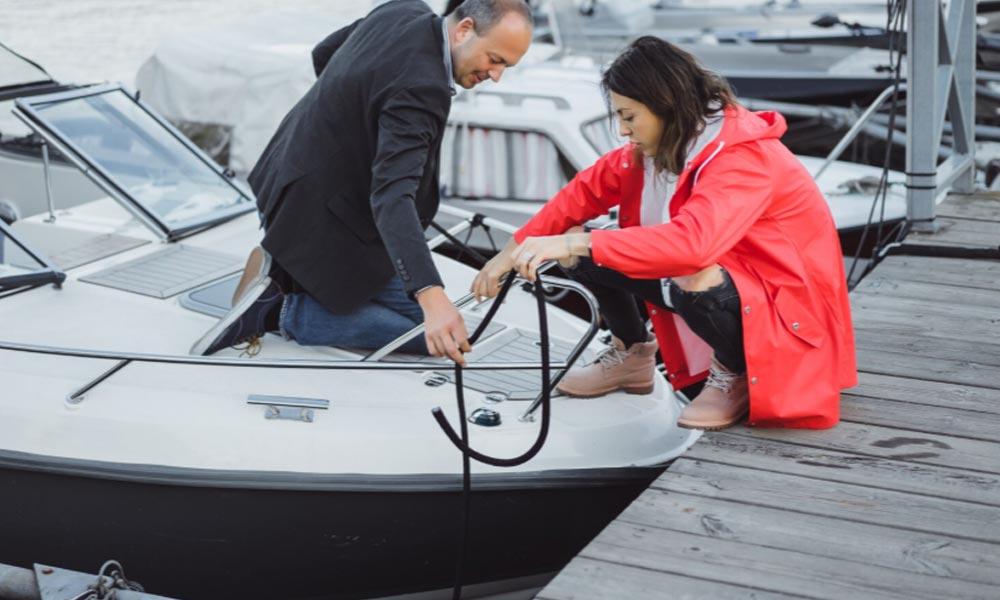
From fishing weekends on Truman Lake to road trips through the Missouri Ozarks, recreational vehicles make it easy to enjoy the Warsaw, Missouri area. When the season slows down, choosing dependable boat storage Warsaw MO, can help protect the time, money, and effort invested in a boat, camper, trailer, or tow vehicle.
Storage in Warsaw, Missouri, requires more than parking a vehicle and throwing a cover over it. Summer sun, wind-driven rain, changing temperatures, wooded surroundings, and winter freezes can all create conditions that call for thoughtful cleaning, ventilation, tire care, and occasional checks.
Why Seasonal Storage Requires More Than a Cover
A cover is useful, but it cannot correct problems already hiding beneath it. Dirt and moisture left on upholstery, carpet, compartments, roof seams, or the hull can contribute to stains, odors, corrosion, or mildew. Batteries may lose charge while parked, seals can reveal existing weaknesses after rain, and unattended food or scented products can attract pests.
Owners who are comparing equipment before the next lake season may also find that reviewing boats for sell helps clarify the size, trailer setup, and storage footprint that best fits their plans. Whether storing a fishing boat, pontoon, travel trailer, or utility trailer, preparation should match the vehicle and the expected length of storage.
Start With a Pre-Storage Inspection
Complete a walk-around before delivering a vehicle to its storage space. This creates a record of its condition and gives owners time to correct small issues before they become harder to spot.
- Photograph the exterior, interior, trailer, and any existing scratches or damage.
- Record mileage, engine hours, battery condition, and the date of the inspection.
- Check beneath the vehicle for fluid leaks or standing water.
- Test lights, brakes, safety chains, hitch connections, and trailer couplers.
- Inspect tires for low pressure, cracking, bulges, punctures, and uneven wear.
Tread depth is only one part of tire safety. The effects of storage and environmental conditions on tire aging are especially relevant to RVs, trailers, collector vehicles, and other equipment that is not driven regularly.
Preparing a Boat for Storage in Warsaw
Boats stored near Warsaw should be put away clean and dry, particularly after a busy season on the water. Wash the hull, deck, trailer, and accessible equipment to remove grime and lake residue. Dry the bilge, lockers, cushions, and storage compartments before covering the boat.
- Follow the engine manufacturer’s instructions for fuel treatment, oil service, cooling-system care, and winterization.
- Remove food, electronics, life jackets that need indoor drying, and personal gear.
- Inspect the cover, straps, drain plugs, trailer lights, wheel bearings, and tires.
- Use manufacturer-approved ventilation points to prevent enclosed spaces from staying damp.
- Secure loose items that could shift, hold moisture, or damage interior surfaces.
Preparing an RV, Camper, Car, or Trailer for Storage
RVs and campers need special attention because they combine vehicle systems with living spaces. Drain freshwater, graywater, and blackwater systems, then winterize plumbing whenever freezing temperatures are possible. Clean the refrigerator, remove food and toiletries, and leave the door slightly open if the owner’s manual permits.
For cars, trucks, and trailers, wash and dry the exterior, remove valuables and documents, and check fluid levels according to the manufacturer’s guidance. Inflate tires to the recommended cold pressure, use a breathable fitted cover when appropriate, and use a compatible maintenance charger or disconnect the battery as directed by the vehicle manufacturer. Inspect roof seams, window seals, awnings, slide-outs, vents, and hitch components before storage.
Choosing Between Indoor, Covered, and Outdoor Storage
Indoor Storage
Indoor storage provides the greatest separation from direct sun, precipitation, hail, falling branches, and windblown debris. It can be a practical choice for classic vehicles, electronics-sensitive equipment, or long storage periods, although availability, entry dimensions, and cost may be more limiting.
Covered Storage
Covered spaces reduce direct exposure to rain and sun while retaining the convenience of an open-sided layout. Owners should still use a sound cover when needed, check for dust and pests, and make sure wind-driven moisture cannot collect inside the vehicle.
Outdoor Storage
Outdoor storage can offer the room needed for larger boats, RVs, trailers, and work vehicles. It is best supported by a stable surface, good drainage, secure tie-downs, properly maintained tires, and regular inspections after strong storms.
Features to Check Before Renting a Storage Space
- Measurements: Measure full length, width, height, trailer tongue, and slide-out clearance before reserving a space.
- Drive lanes: Confirm there is sufficient turning and backing room for the full vehicle-and-trailer combination.
- Surface and drainage: Look for stable ground with minimal potholes and no obvious areas where water pools.
- Security: Ask about fencing, gates, lighting, cameras, and access procedures.
- Access: Review entry hours and any rules that affect maintenance visits or after-hours retrieval.
- Policies: Understand insurance requirements, prohibited items, payment terms, and notice requirements.
Monthly Checks and Severe Weather Planning
For extended storage, inspect the vehicle at least monthly and again when conditions make an additional visit sensible. Look for low tires, water intrusion, cover damage, pests, battery drain, fluid leaks, loose straps, and branches or debris around the parking area. Keep a simple, dated log so recurring issues are easier to notice.
Before severe weather, secure loose equipment, verify that wheel chocks and tie-downs are in place, and avoid visiting a property during unsafe conditions. Boat owners can also monitor recreational boating safety notices when planning a return to the water.
Insurance, Records, and the Pre-Use Checklist
Confirm that insurance remains active during storage and understand who is responsible for theft, weather damage, vandalism, towing, and personal belongings. Keep registration, service receipts, photos, maintenance records, and emergency contacts in a secure digital or physical file.
When it is time to use the vehicle again, inspect the cover and exterior, check tires and brakes, reconnect and test the battery, inspect fluids, and look for pests or moisture. RV owners should flush and sanitize water systems when needed. Test lights, pumps, appliances, electronics, and safety equipment, then take a short local drive or trailer check before committing to a longer trip.
Common Storage Mistakes to Avoid
- Storing a boat, RV, or trailer while it is dirty or damp.
- Using loose plastic that traps condensation instead of a suitable breathable cover.
- Ignoring tire condition because the tread appears acceptable.
- Leaving food, trash, paper products, or strongly scented items inside.
- Failing to measure the entire vehicle and trailer setup.
- Skipping inspections for months at a time.
- Assuming a storage agreement automatically provides complete insurance coverage.
Conclusion
Good recreational vehicle storage in Warsaw, Missouri, starts before the vehicle reaches its space. Cleaning, inspection, maintenance, documentation, and a location that fits the vehicle can reduce avoidable surprises during the off-season. With a practical checklist and consistent monthly attention, owners can be better prepared for the next day on Truman Lake or the next Missouri road trip.