

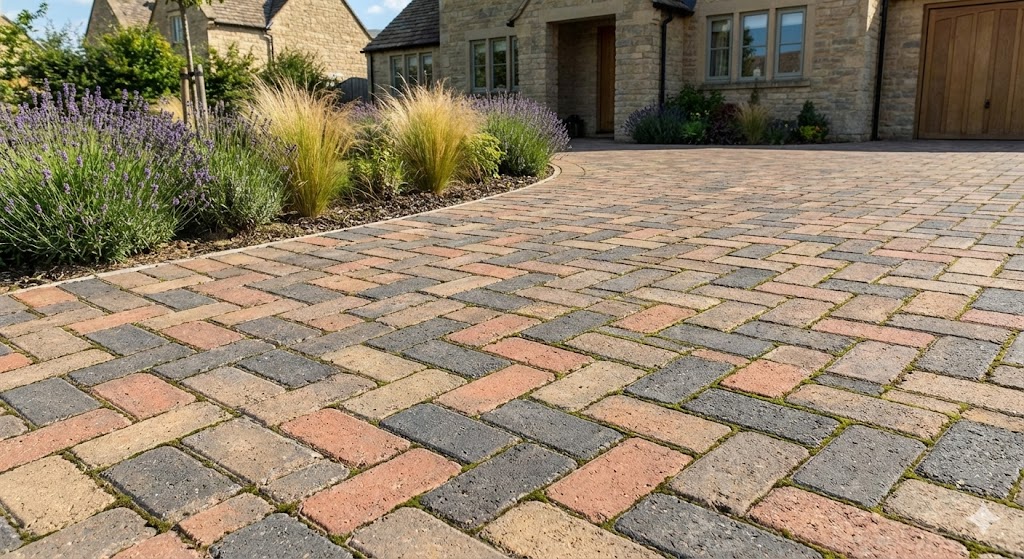
On Florida’s Space Coast, patios, driveways, and walkways take a beating from summer downpours, sandy subsoils, and salty air. A paver surface that looks crisp on day one can heave, rut, or hold puddles if drainage and base conditions are not handled correctly. The most durable installations begin with a plan for how rain moves across the site, how the base interacts with native sand, and how edges resist movement under heat and traffic. This article explains practical design choices that help pavers drain properly and remain stable in Brevard County, with useful details whether you are updating a pool deck, reworking a front walkway, or installing a new driveway.
-
Start With Water: Slope, Runoff, and Florida Downpours
Before choosing a paver pattern, decide where stormwater will go. Surface grades should direct water away from foundations, lanais, and screen enclosures at roughly 1 to 2 percent, guiding runoff toward swales or an appropriate drainage system. Check how gutter downspouts, pool overflows, and adjacent lawns will interact with the paved area. Local professionals who provide paver installation services in Brevard County routinely plan slopes to reduce low spots and help keep water from flowing toward door thresholds.
Two common problem areas are low sections of the yard and driveway entrances. A Melbourne front walkway that crosses a shallow swale may benefit from a subtle crown and a catch basin at the lowest point. A garage apron that sits below street level may require a channel drain near the threshold connected to an appropriate drainage outlet. Around pools, keep the deck surface slightly higher than surrounding turf where the site allows, and make sure drainage details prevent splash water from collecting beneath the pavers and weakening the bedding layer.
-
Choosing a Base That Holds in Sandy Soils
Sandy native soil can shift easily under traffic and flowing water, so separation, drainage, and proper compaction are important. Depending on soil conditions and project design, you may use geotextile fabric over the prepared subgrade to reduce mixing between the native soil and aggregate base. For the base, angular aggregate such as properly graded crushed stone or another material approved for the application generally provides better interlock than rounded gravel. Compact the base in suitable lifts rather than trying to compact a thick layer all at once. Then prepare a uniform bedding layer according to the paver manufacturer’s installation requirements.
Base thickness and paver selection should reflect how the surface will be used. Pedestrian walkways and patios carry lighter loads than driveways, while vehicle areas require a stronger base and pavers suitable for repeated traffic. If you plan to install pavers over an existing concrete slab, confirm the slab is structurally sound, drains correctly, and has no significant movement that could affect the new surface. Around pool coping and other fixed structures, allow movement where the installation system requires it so thermal expansion does not damage adjacent materials.
-
Permeable vs. Traditional Pavers in Coastal Yards
Permeable interlocking concrete pavers allow rainfall to pass through wider joints into an open graded aggregate base, helping reduce surface runoff when the site and soil conditions support infiltration. These systems can work well where drainage design and local requirements allow water to soak into the ground. The tradeoff is maintenance. Permeable joints use clean aggregate rather than ordinary joint sand and may need periodic cleaning to prevent sediment from reducing infiltration. In areas exposed to windblown beach sand, soil, or mulch, landscaping and edging can help reduce the amount of fine material washing onto the surface.
In locations with a high water table or limited infiltration capacity, traditional pavers installed with a controlled slope may work better with drainage features such as channel drains, approved collection systems, or other site appropriate solutions. For example, a beachside courtyard may require a planned drainage route instead of relying on already saturated soil to absorb stormwater. Salt spray can leave residue on outdoor surfaces, so pavers with good wet traction are worth considering. A compatible sealer may also help reduce staining, depending on the paver type and desired appearance.
-
Edge Restraints, Joint Sand, and Load Paths
Edge restraints help prevent pavers from spreading or shifting under vehicle loads and repeated movement. Driveways may use concrete edge restraints or another system designed to provide strong lateral support. Patios and garden paths may use approved plastic or composite edge restraints anchored into the prepared base. A border course can also help define transitions while strengthening the edge where pavers meet grass, mulch, or decorative stone.
Joint material influences both stability and maintenance. Polymeric sand is commonly swept into joints and activated according to the manufacturer’s instructions. When installed correctly, it can help reduce joint erosion and discourage weed growth and insect activity. Proper installation usually includes compacting the pavers, refilling joints as needed, cleaning excess material from the surface, and applying water carefully according to product directions. Activating polymeric sand immediately before heavy rain can interfere with curing and may contribute to staining or washout.
Permeable systems require a different joint material. Clean angular aggregate sized for the paver system is generally used instead of polymeric sand so water can continue passing through the joints while the pavers remain securely interlocked.
-
Aftercare in a Humid, Salty Climate
Plan for routine maintenance after installation. New concrete pavers may develop efflorescence as salts migrate to the surface. If cleaning is needed, use products compatible with the paver manufacturer’s recommendations. Sealers are optional for many systems, but they can affect color, stain resistance, and surface traction. Film forming sealers may deepen color but can become slippery in wet areas if the wrong product is used. Penetrating sealers usually maintain a more natural appearance and may be preferable where traction is a priority.
When cleaning pavers, use moderate water pressure rather than a concentrated stream that can remove joint material. Protect nearby landscaping from cleaning products and runoff. After periods of heavy rain, inspect joints, edges, and low areas for signs of settlement or erosion. If localized settlement occurs, you can often lift the affected pavers to correct the underlying base and bedding material before resetting and compacting the units.
Keep grass and roots from growing over paver edges, and address stains from fertilizer, irrigation, metal furniture, or outdoor cooking equipment before they become difficult to remove. Pads beneath grills, planters, and furniture can also help reduce staining and surface damage.
Plan for Drainage Before Choosing the Pattern
In Brevard County, long-lasting paver performance depends less on the pattern you choose and more on how well water and soil conditions are managed beneath the surface. A design with deliberate slope, a properly prepared and compacted base, suitable edge restraints, and the correct joint material is more likely to withstand summer storms without developing excessive ruts, movement, or standing water.
Add sensible maintenance for humidity, salt exposure, and seasonal rainfall, and your driveway, patio, or pool deck can retain its appearance and stability for much longer. Thoughtful planning before installation can reduce post-rain repairs and help the finished surface perform as well as it looks.